02.01.2026 – 07.01.2026
Twenty Years
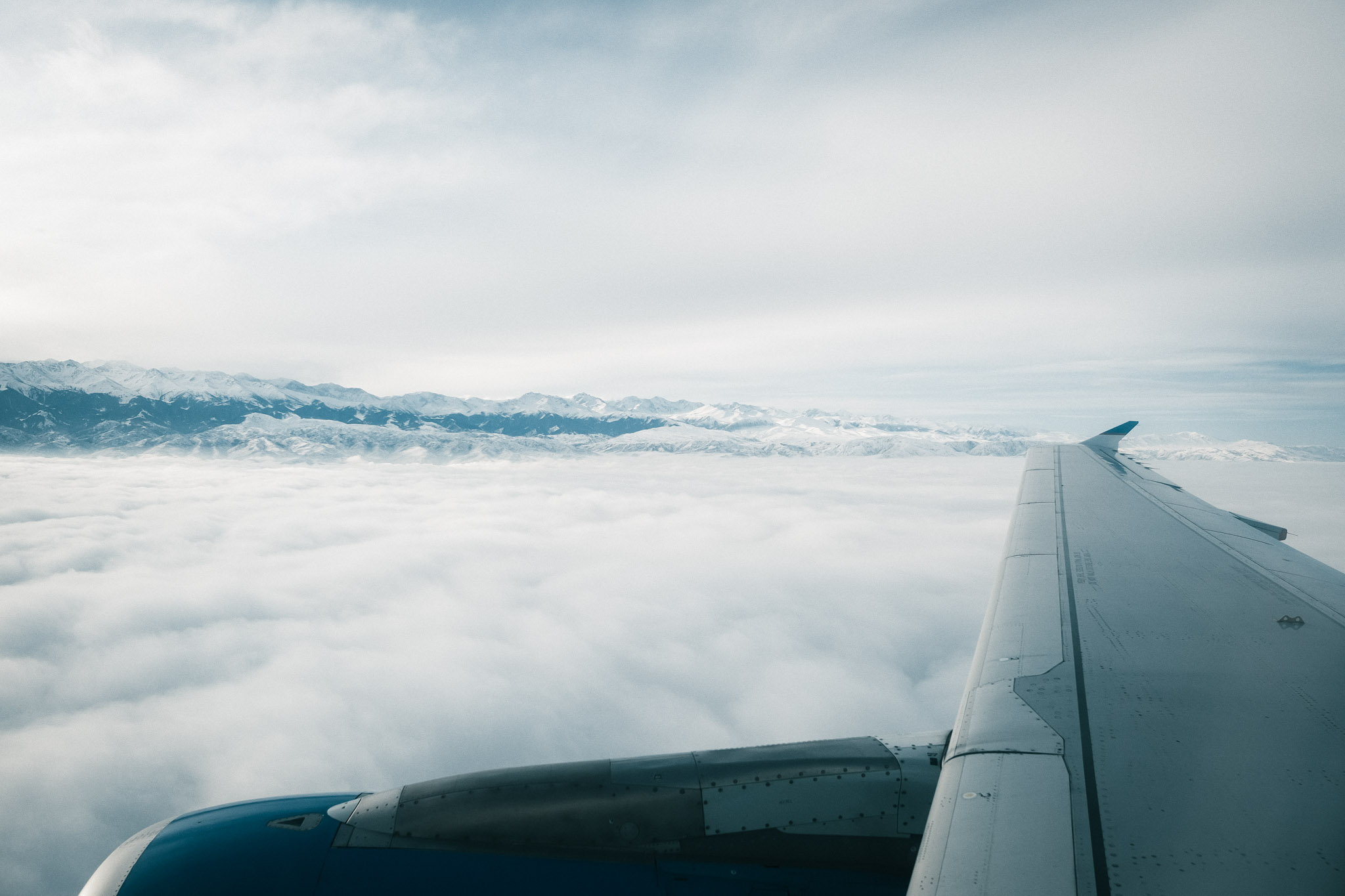
The sky was engulfed in pink velvety folds of a morning dawn. I took off from a sunny Tashkent. Sitting next to the right window, I followed the whole path our plane took to reach Almaty. We literally turned around the mountain ridge visible from the city and kept flying parallel to it over Taraz and Bishkek until we reached gloomy and cloudy Almaty. It was snowing the day before I arrived, so the clouds were low. Mountain peaks, however, were stubbornly rising towards the eternal blue sky from the white carpet of clouds. It was incredible to witness that live. The plane started the descent. I always find it mesmerising when the plane essentially disappears into the void of clouds. The clouds were now the ceiling, and suddenly the ground turned out to be much closer than I was expecting it to be. We landed.
“From Tashkent?” asked the border control officer at the airport. “Yes,” I said. The man looked like he had been born allergic to smiling with that serious and very permanently unimpressed face of his. He was rapidly flipping through the empty pages of my shiny new passport, which had only 2 stamps. He took a look at me, inspected the passport a bit better once again and asked, “What’s the purpose of your visit?” in pure Kazakh. I replied “tourism”. “First time?” in Kazakh again, to which I replied positively. He again scrolled through my passport a bit, but to put that stamp this time. The stamp with a steppe eagle was now on my passport. He handed my passport back to me and, in Kazakh, again said, “Welcome to Kazakhstan.” I felt a unique blend of feelings that moment. The border control officer looked very serious about his job, while on top of it, speaking Kazakh and being welcoming. I took my skis from the conveyor and finally enjoyed my first Kazakh petrol smell of an airport parking.
As a child, I often suffered from a heavy longing after trips — a deep, aching longing. I would always keep at least one receipt or a museum ticket, just so I had something to remember them by. It usually took me about a week to come back to myself. It was hard on me. The last time I felt this was about six years ago — until this trip happened.
This journey would not have been so wonderful without my incredibly dear friend and his family. Despite the grey concrete blocks and the frequent fog, Almaty is truly a city of a thousand colours — because it was here that I felt every single one of them.
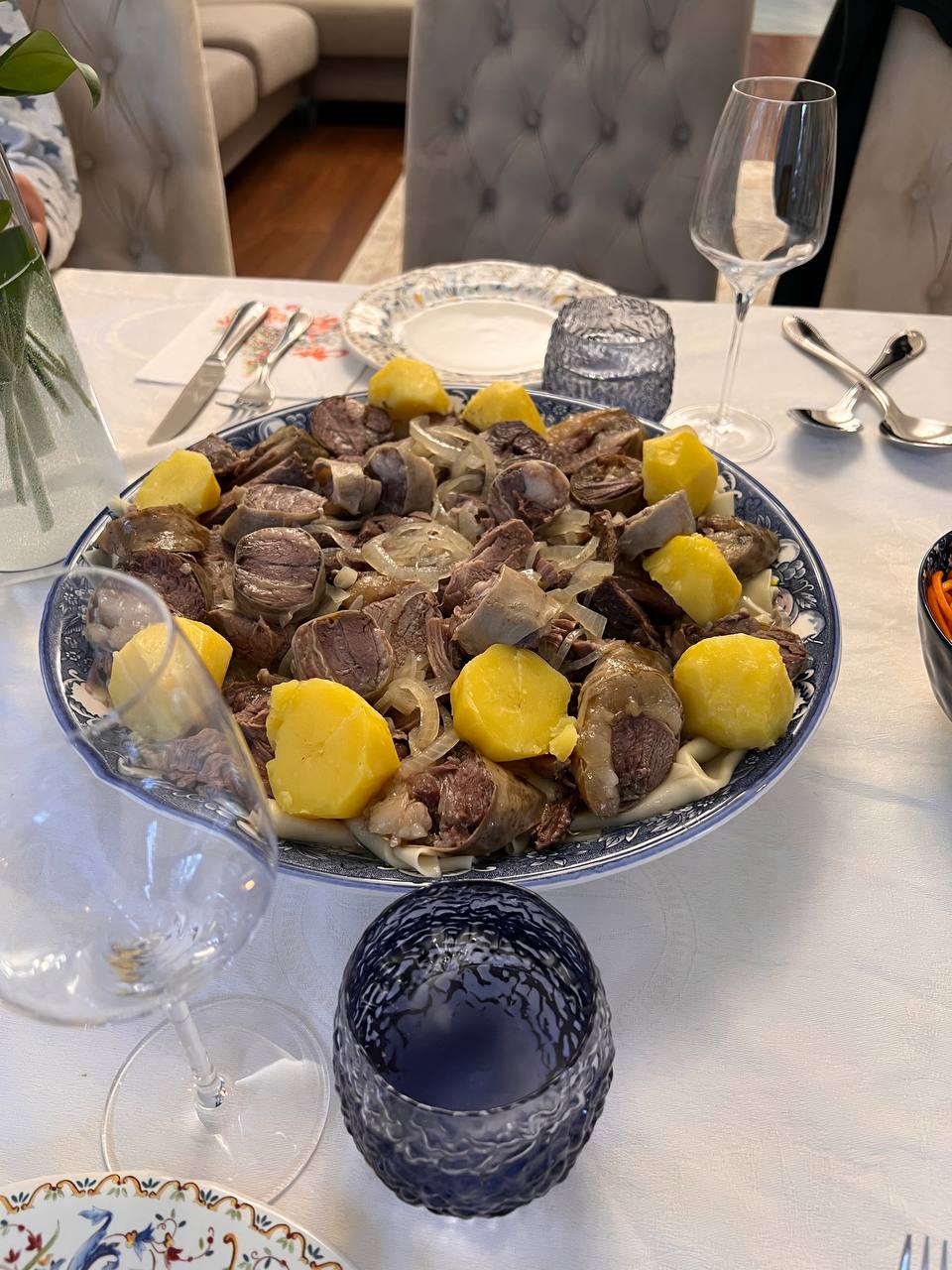
Almaty is perhaps the only city where I felt like home despite being outside of my homeland. I can’t think of an exact reason why I felt this way. Maybe it’s because of the incredible hospitality of my friend Mansur’s family, at whose place I stayed for 2 nights and had my first proper meal upon arrival in the best Kazakh traditions – Beshbarmak, or maybe it’s simpler and it’s just the common history and similarities of a brotherly country, which made me feel at home. But nevertheless, the fact that I liked the city is perhaps the most important bit.
Mountains
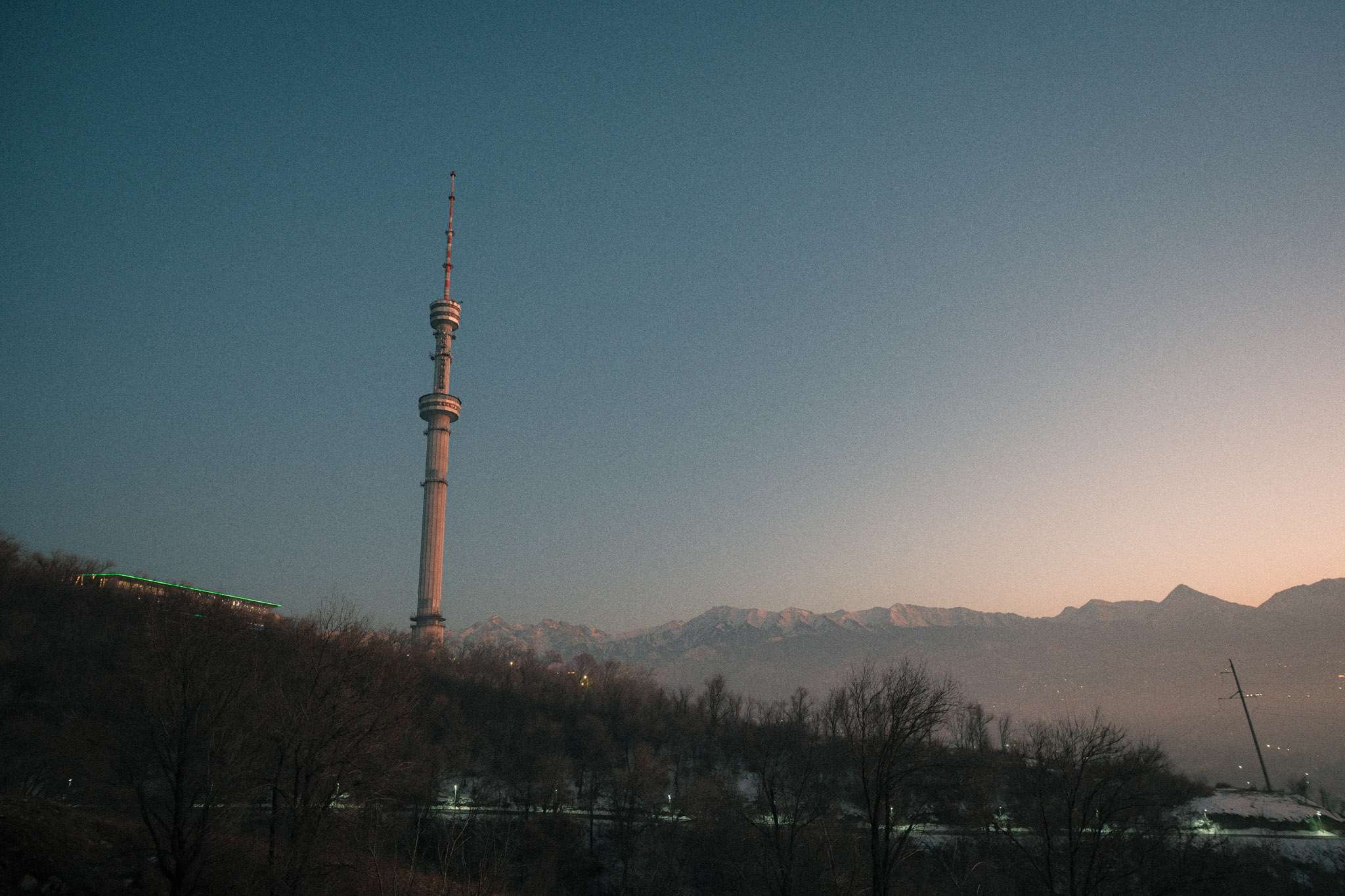
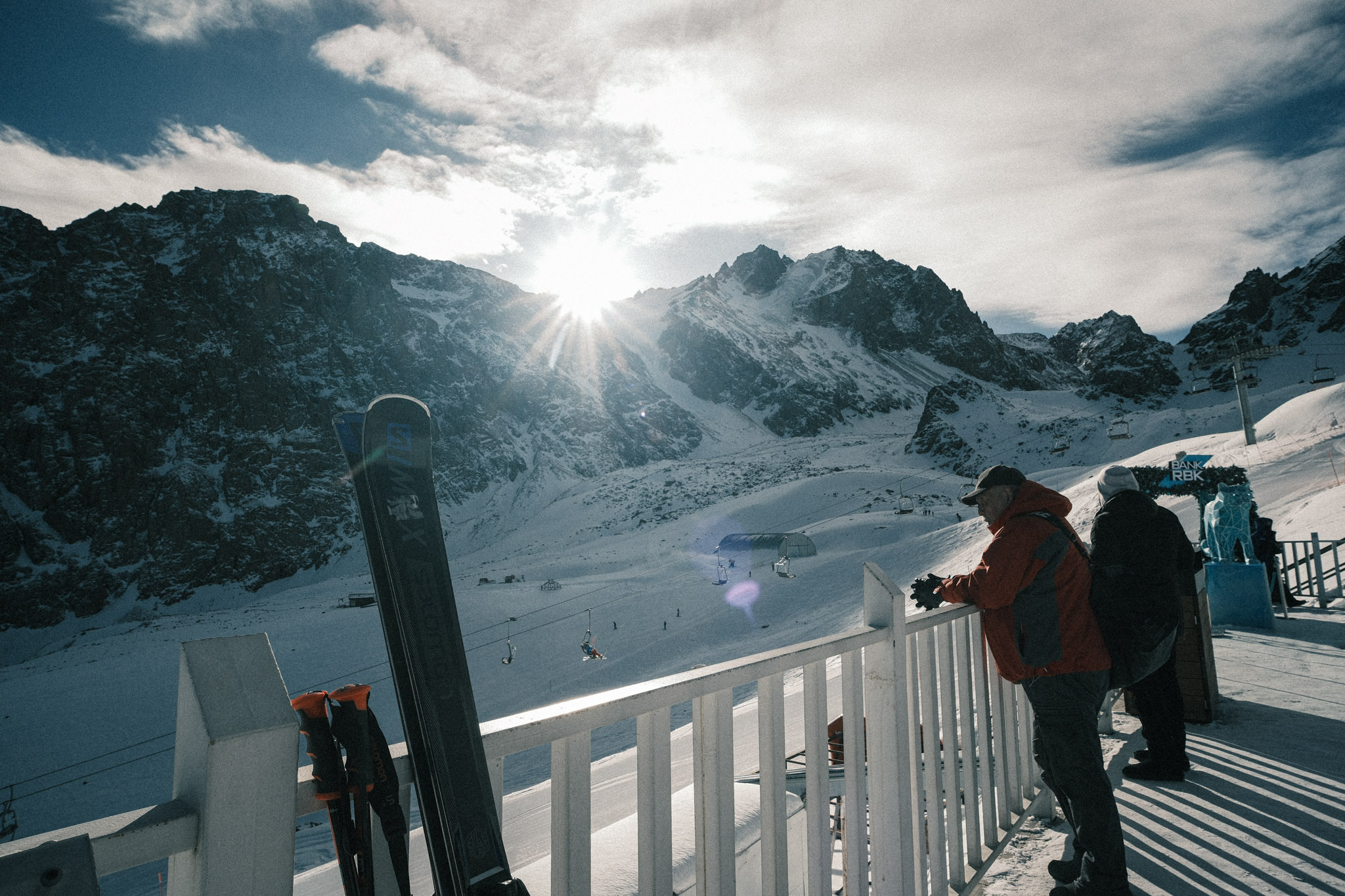
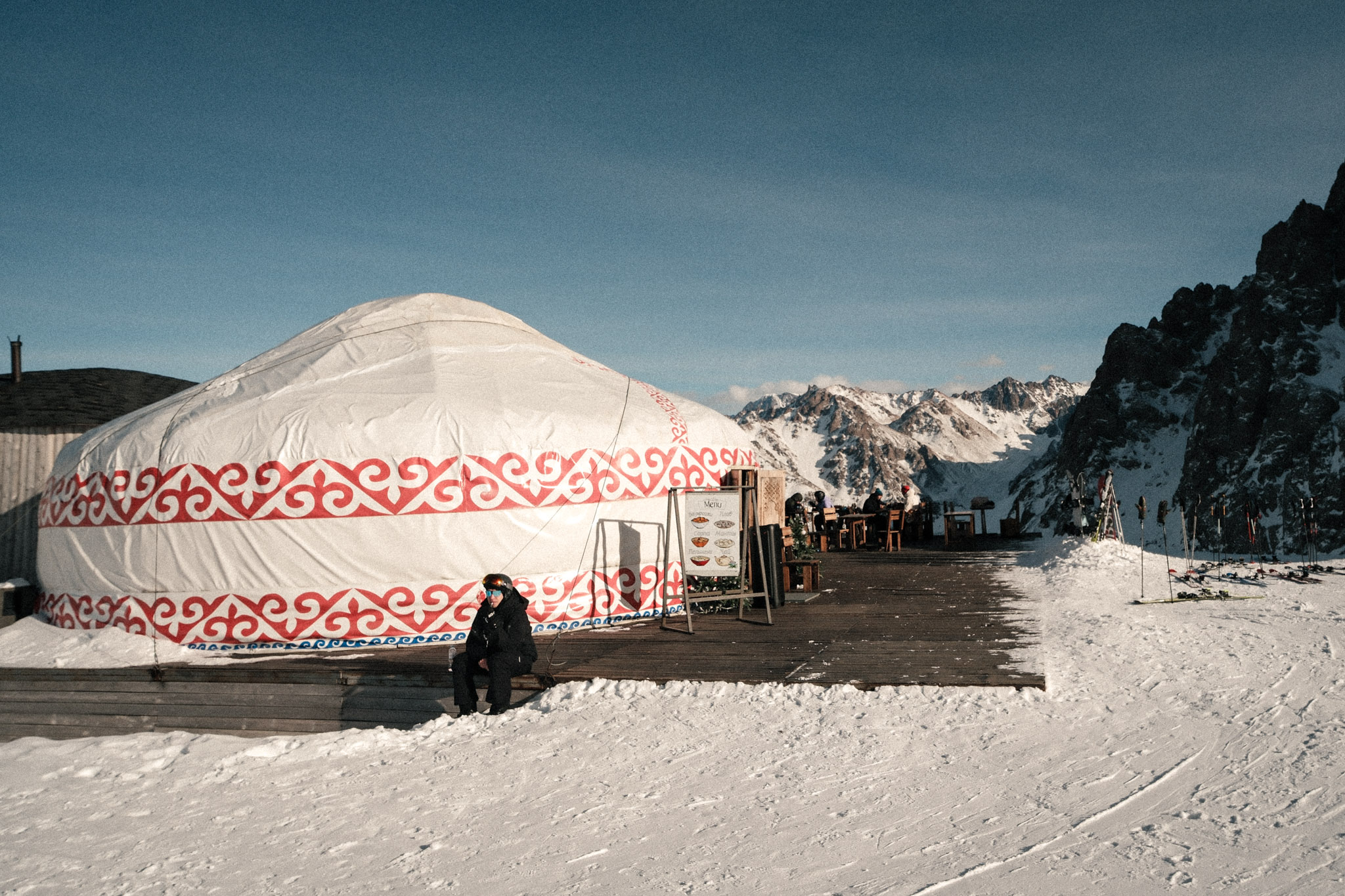
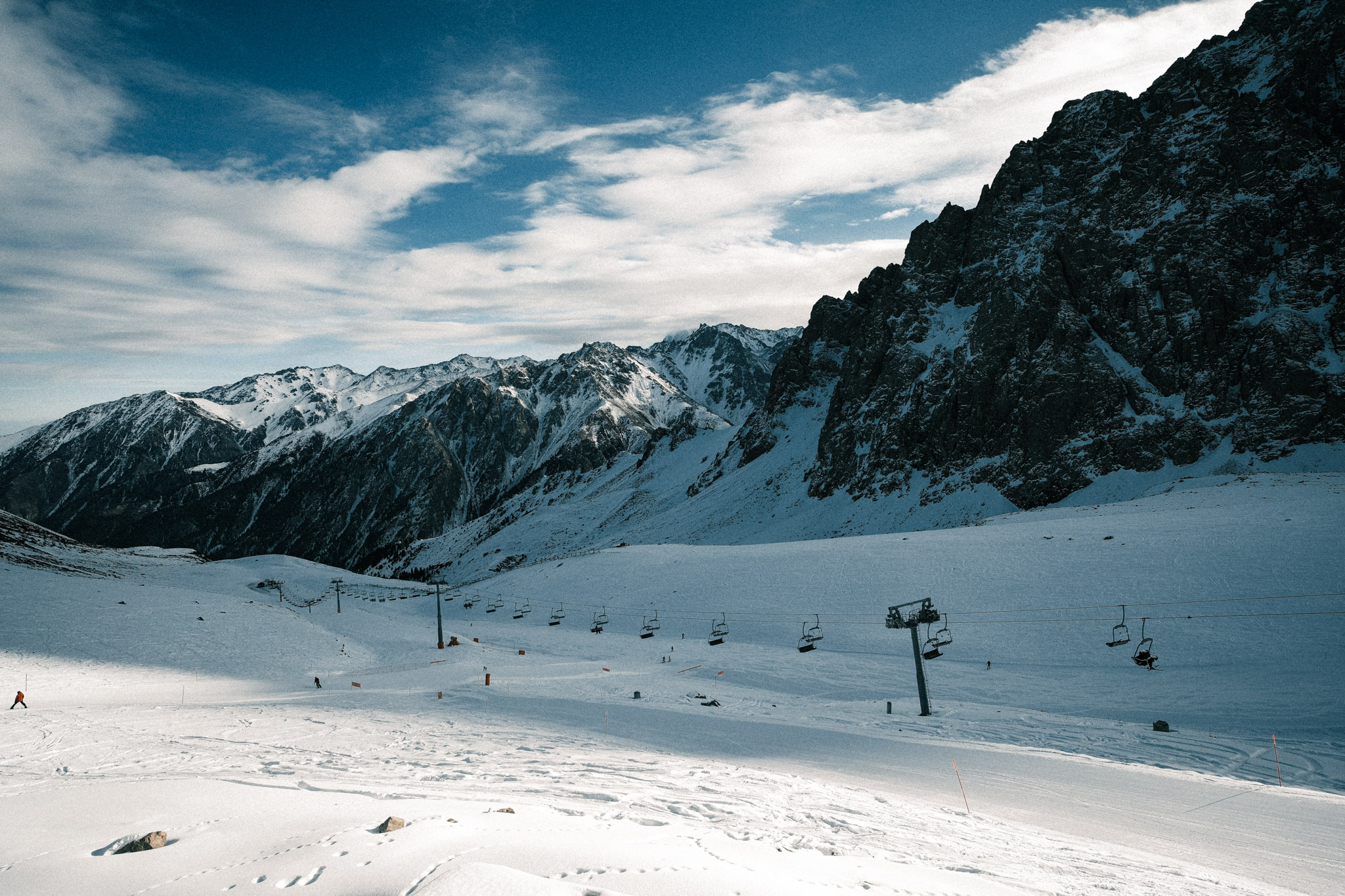
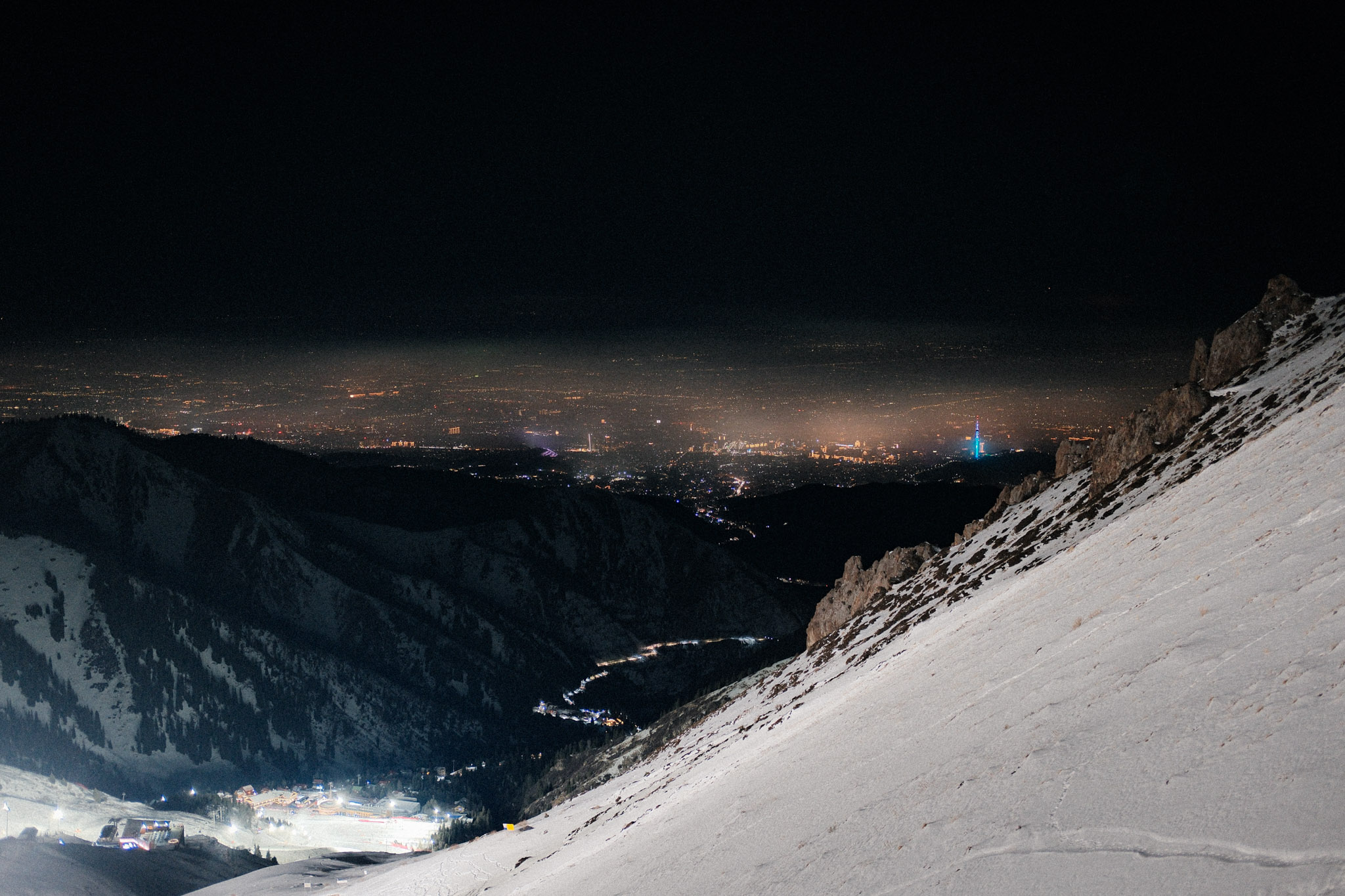
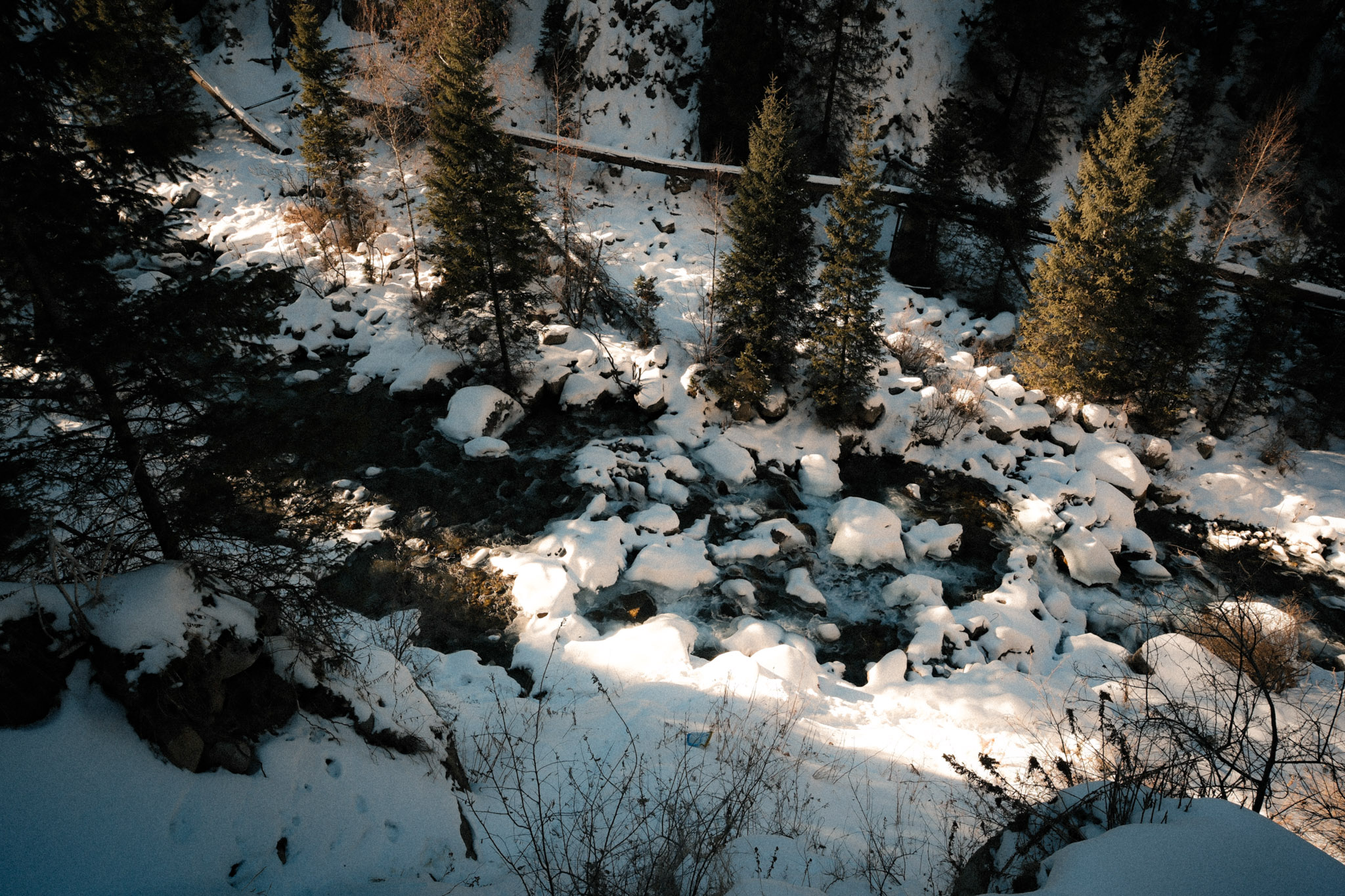
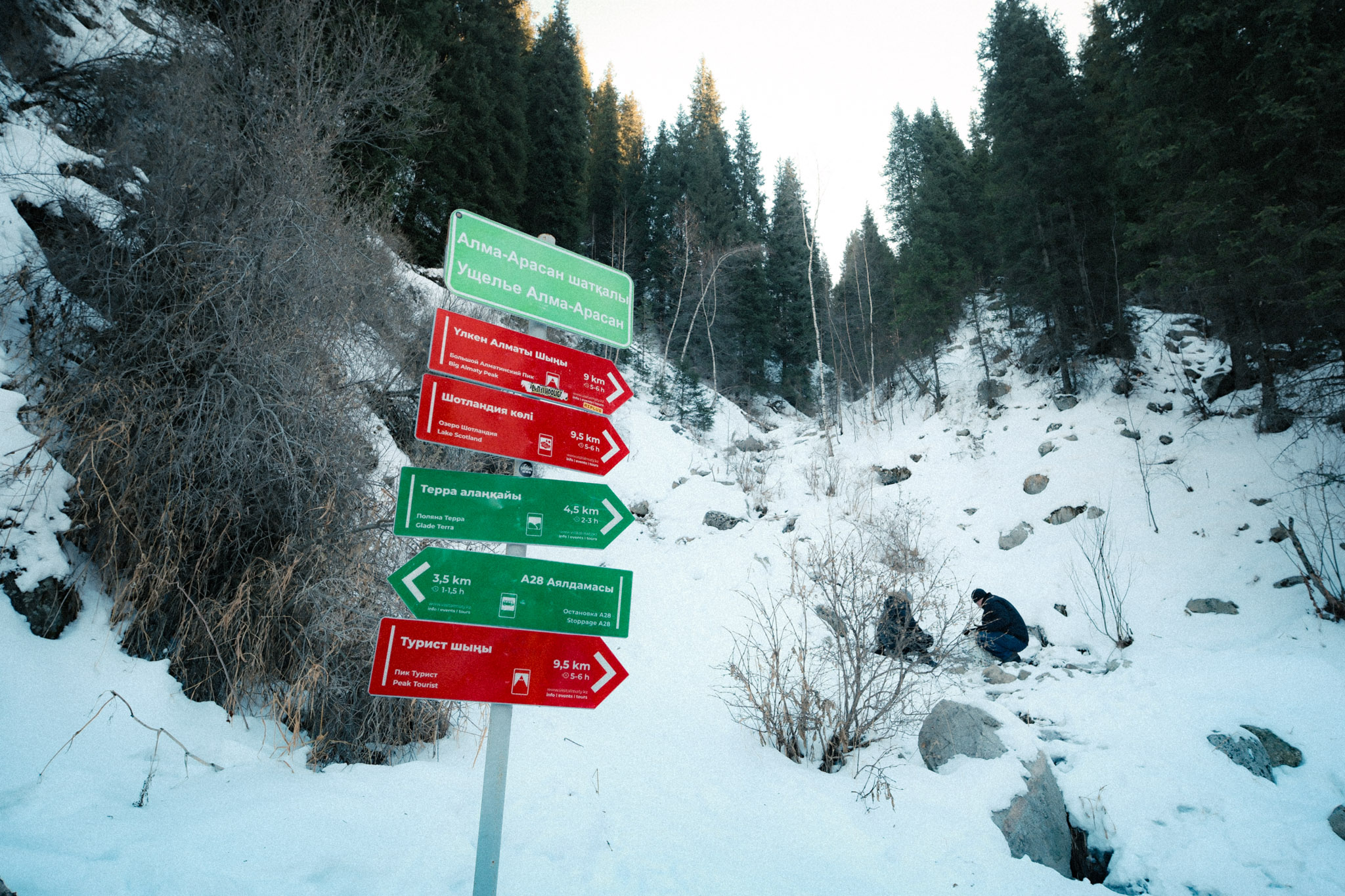
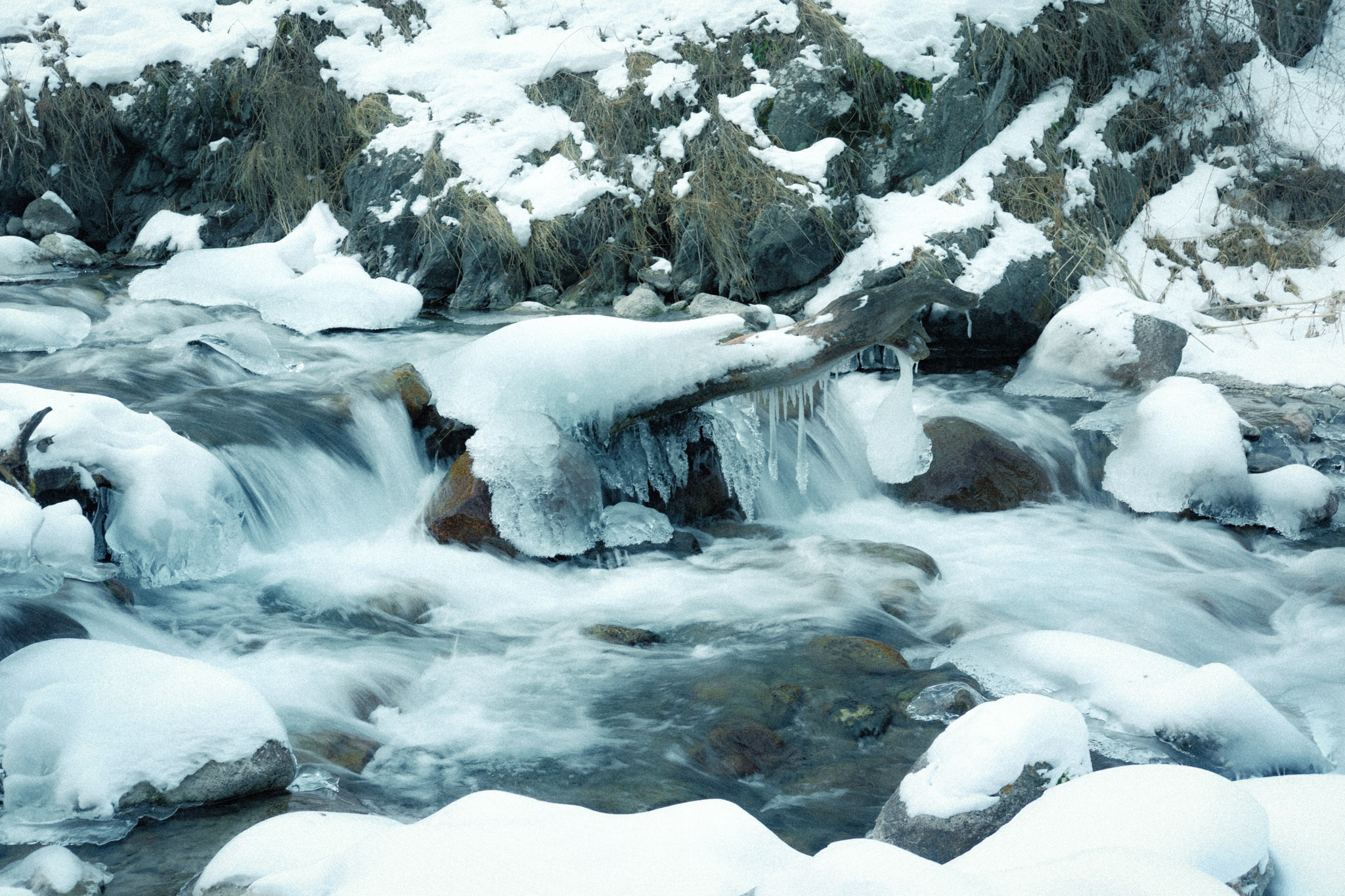
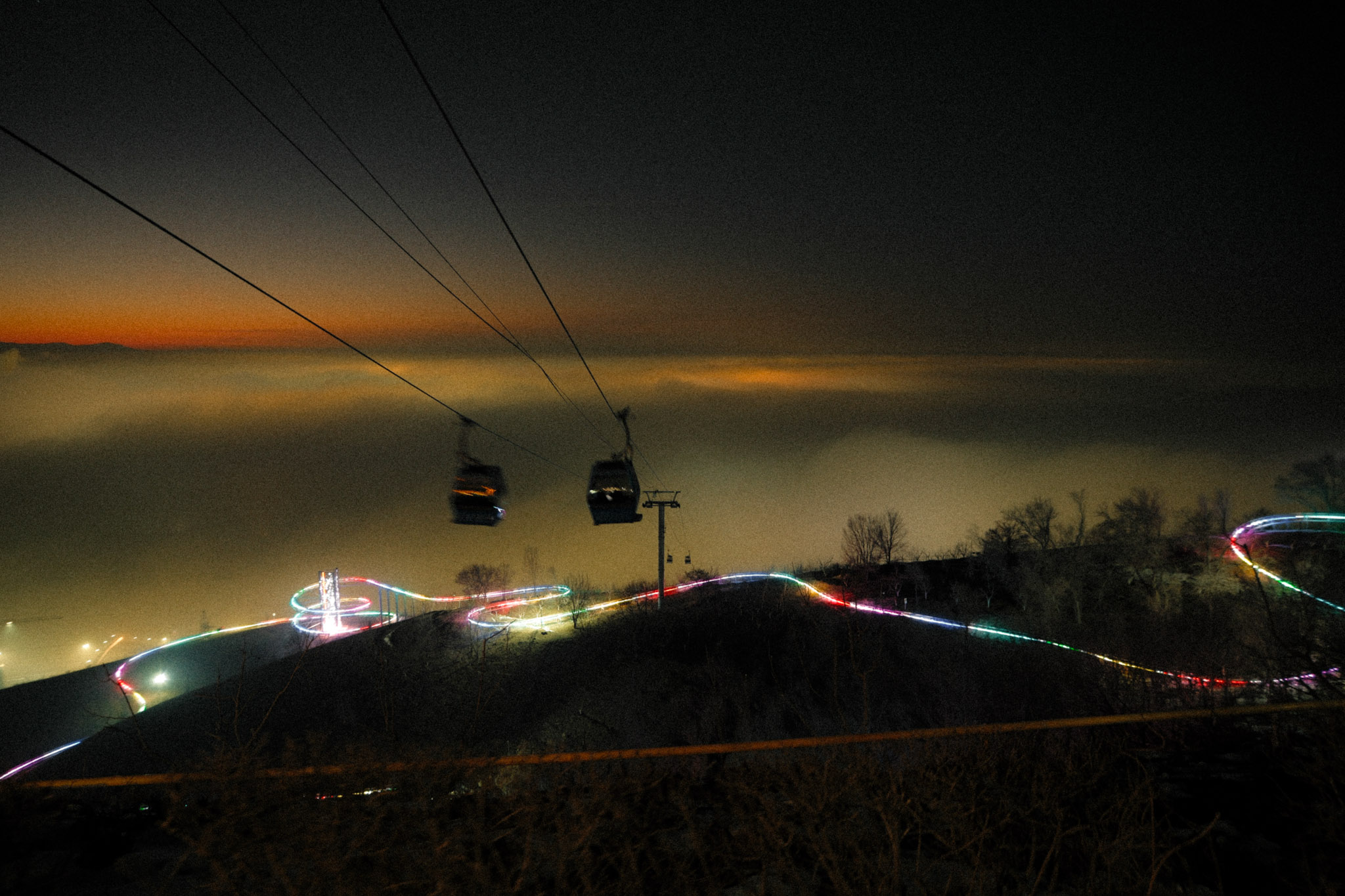
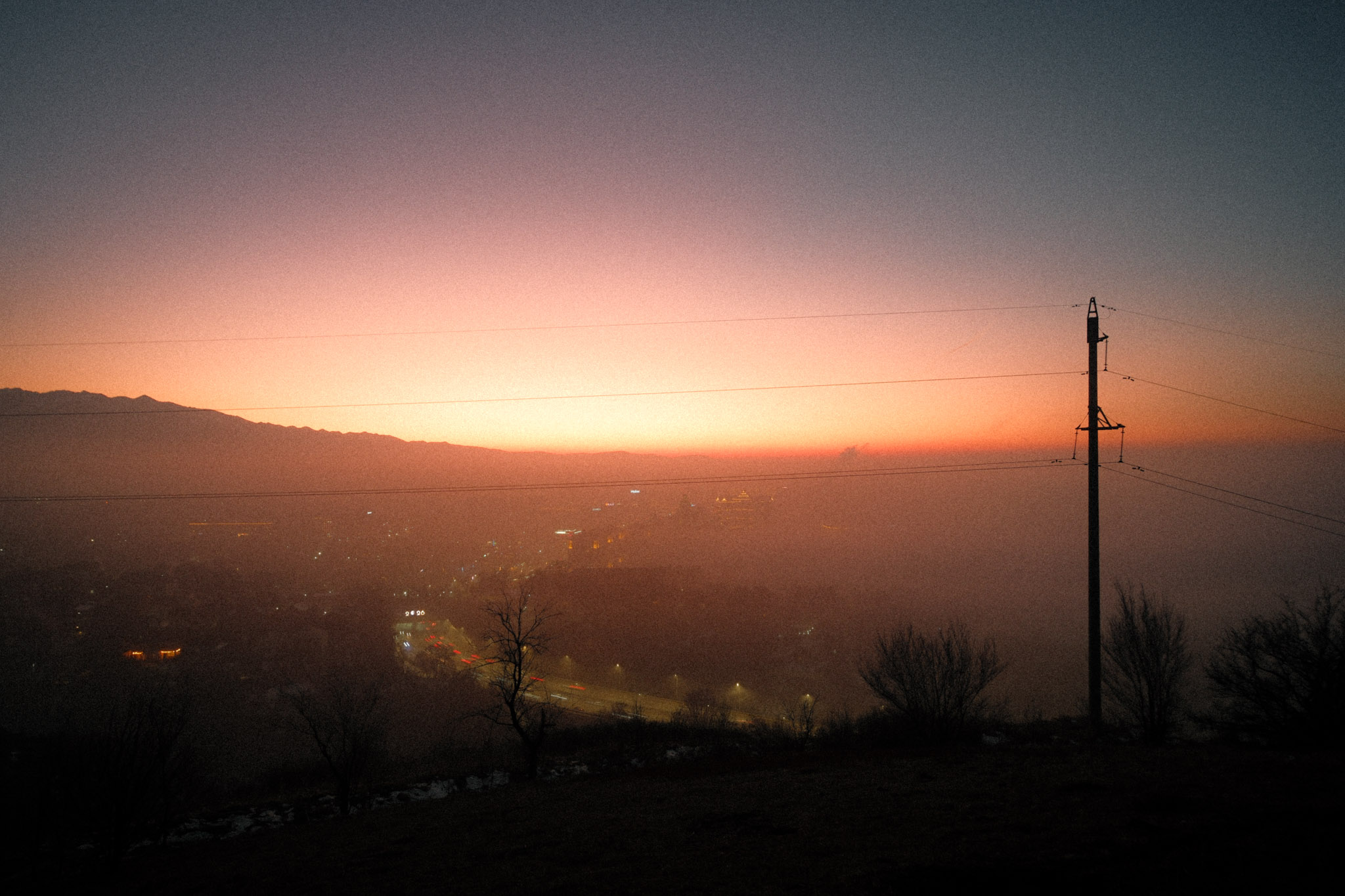
Most of my friends and family know me as someone with an unhealthy obsession with mountains and skiing. Almaty, as it turns out, is a city that satisfies both cravings. Gorgeous, almost infinite stretches of the Tian Shan make up the character of the place – youthful, bold and vivid. It was the mountains that made me fall in love with Almaty so deeply. If I lived here, I'd finish work and drive straight to Shymbulak for some night skiing. One of my brightest memories I'll remember is me skiing down at night with the whole city glowing below the fog. It felt surreal – like I was skiing down closer to the twinkling stars. I stopped multiple times to capture that view in my mind and on my camera. I did my best to enjoy the resort both during the day and at night. I specifically brought my own gear from Tashkent to make the most of it. I also explored Alma-Arasan gorge, which turned out to be spectacular.
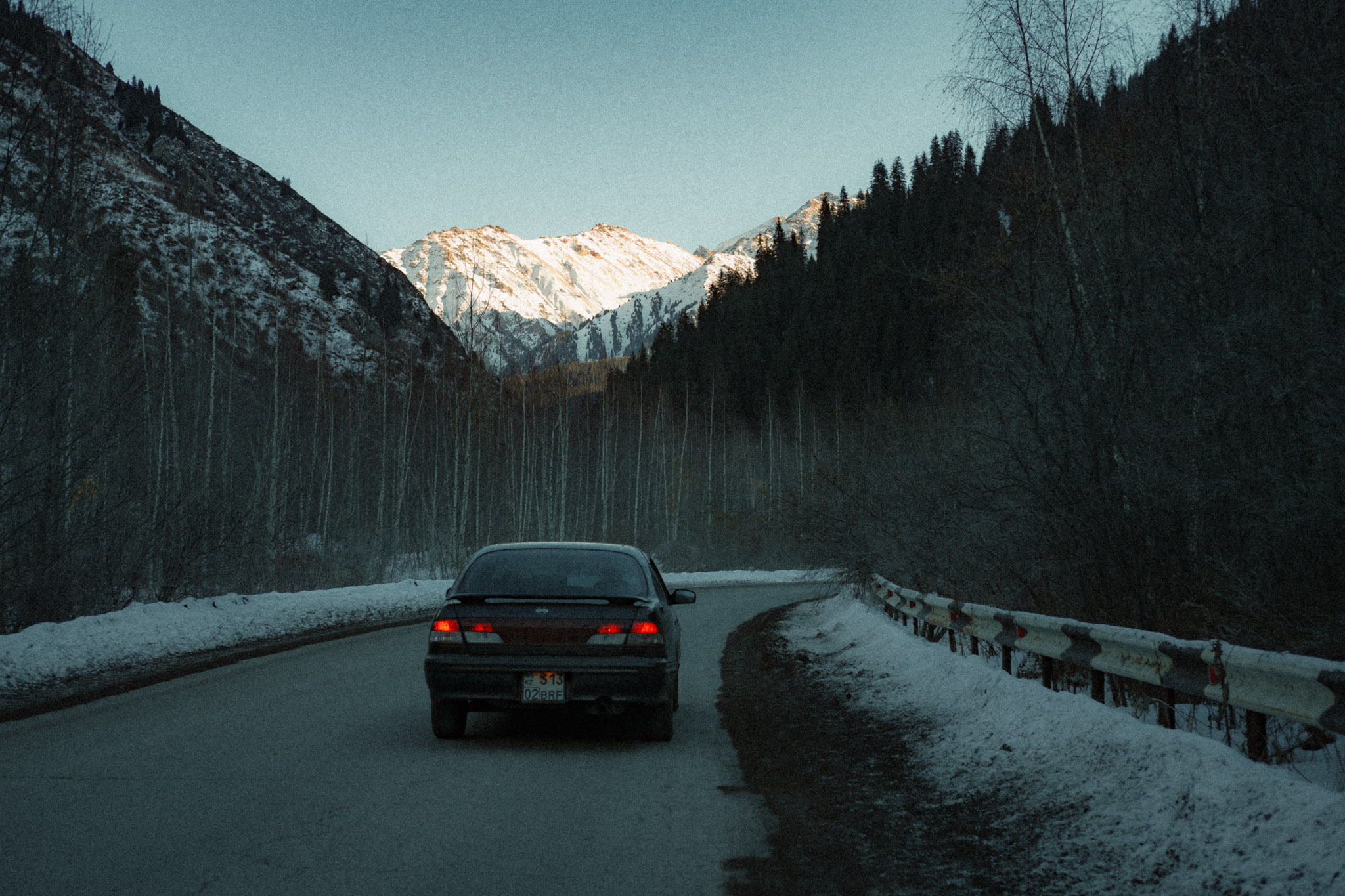
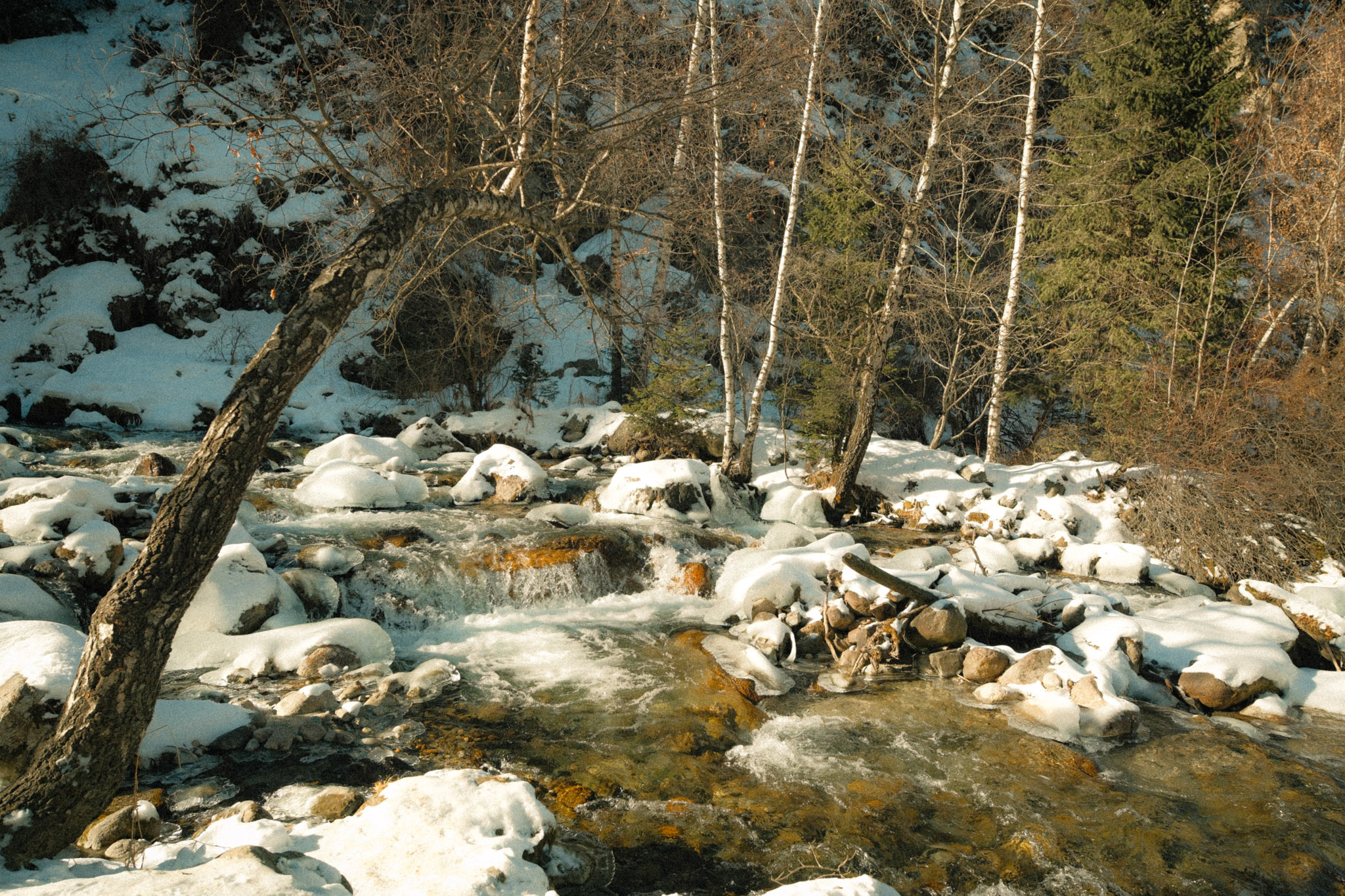
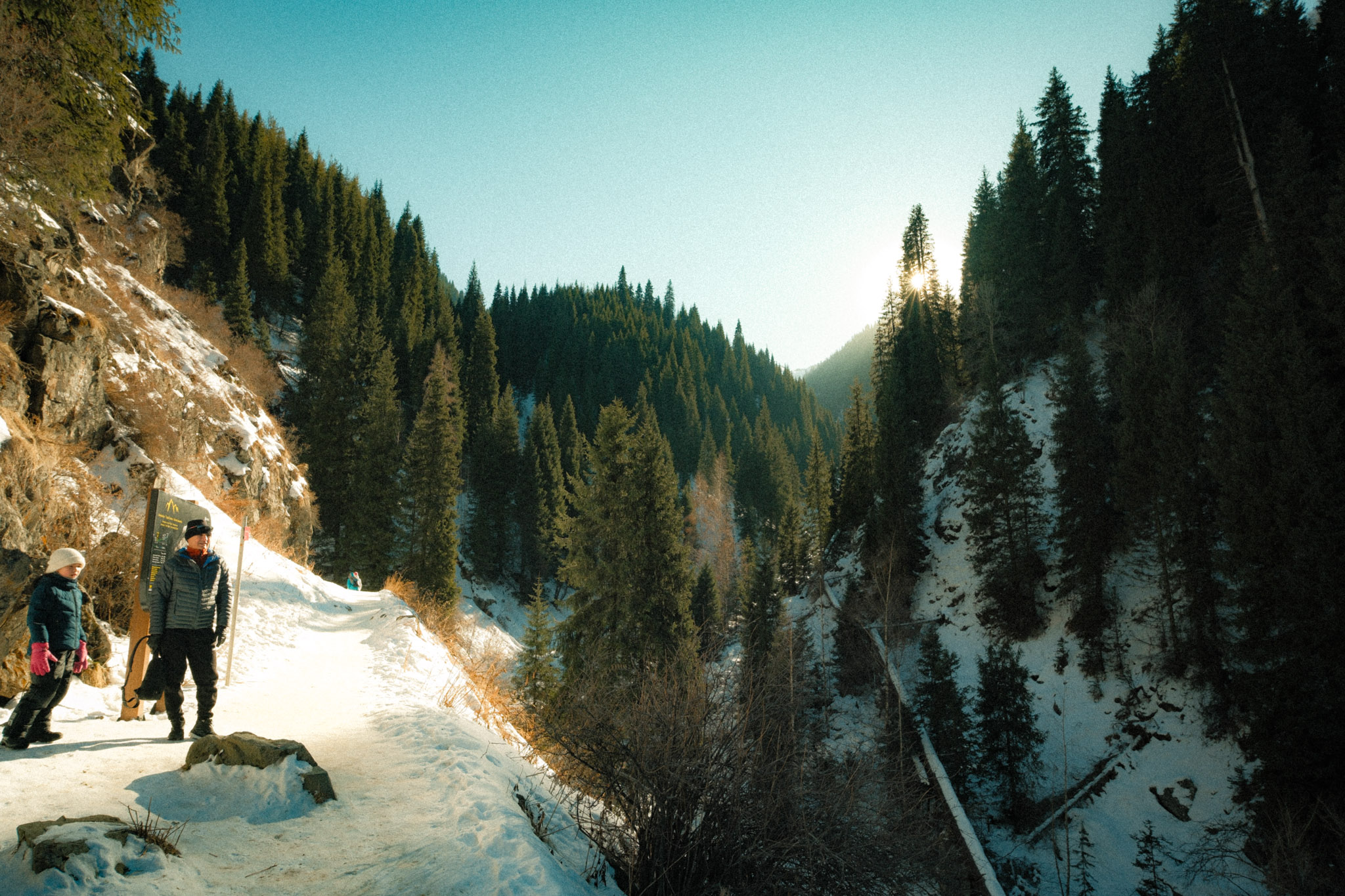
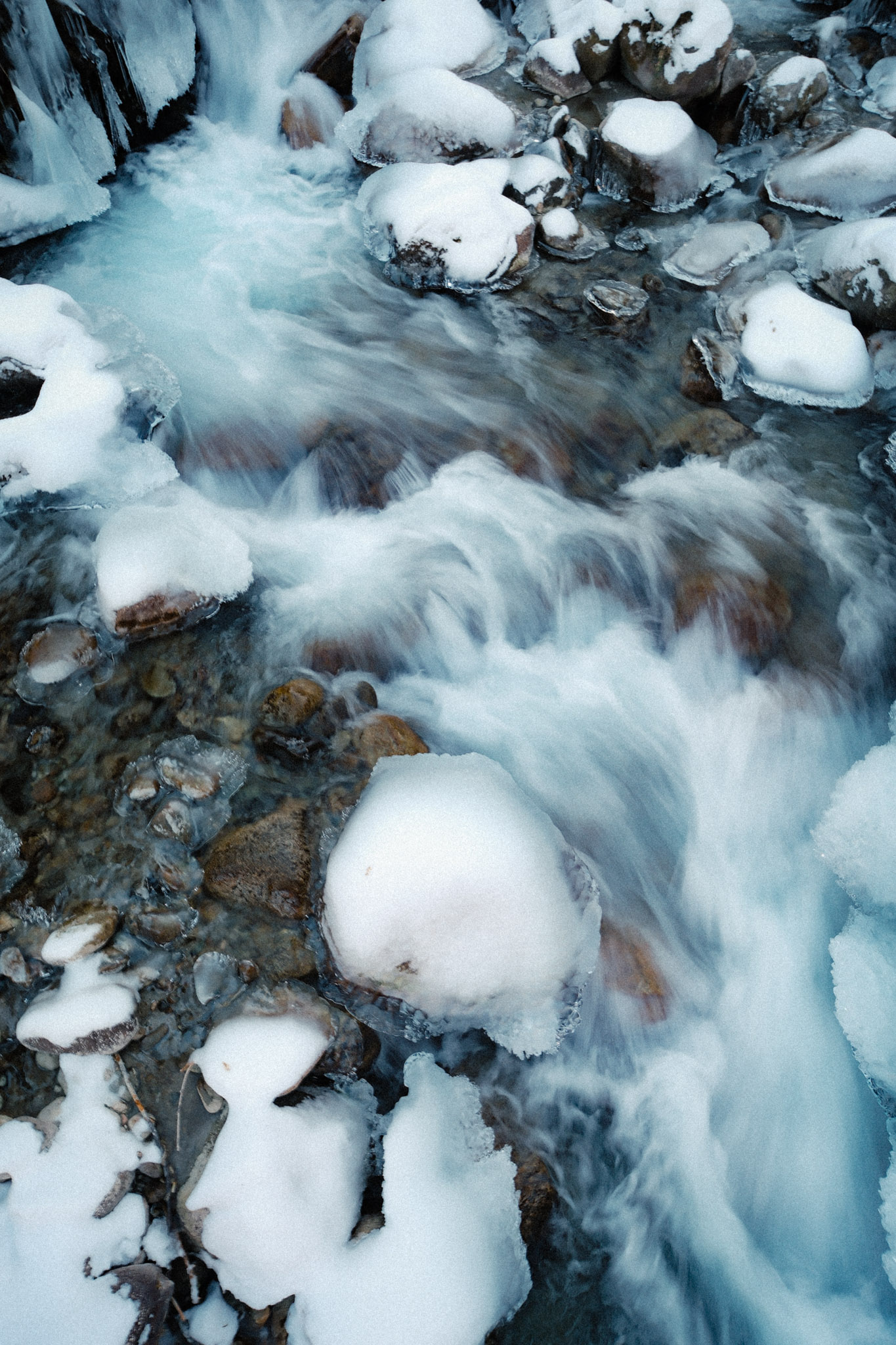
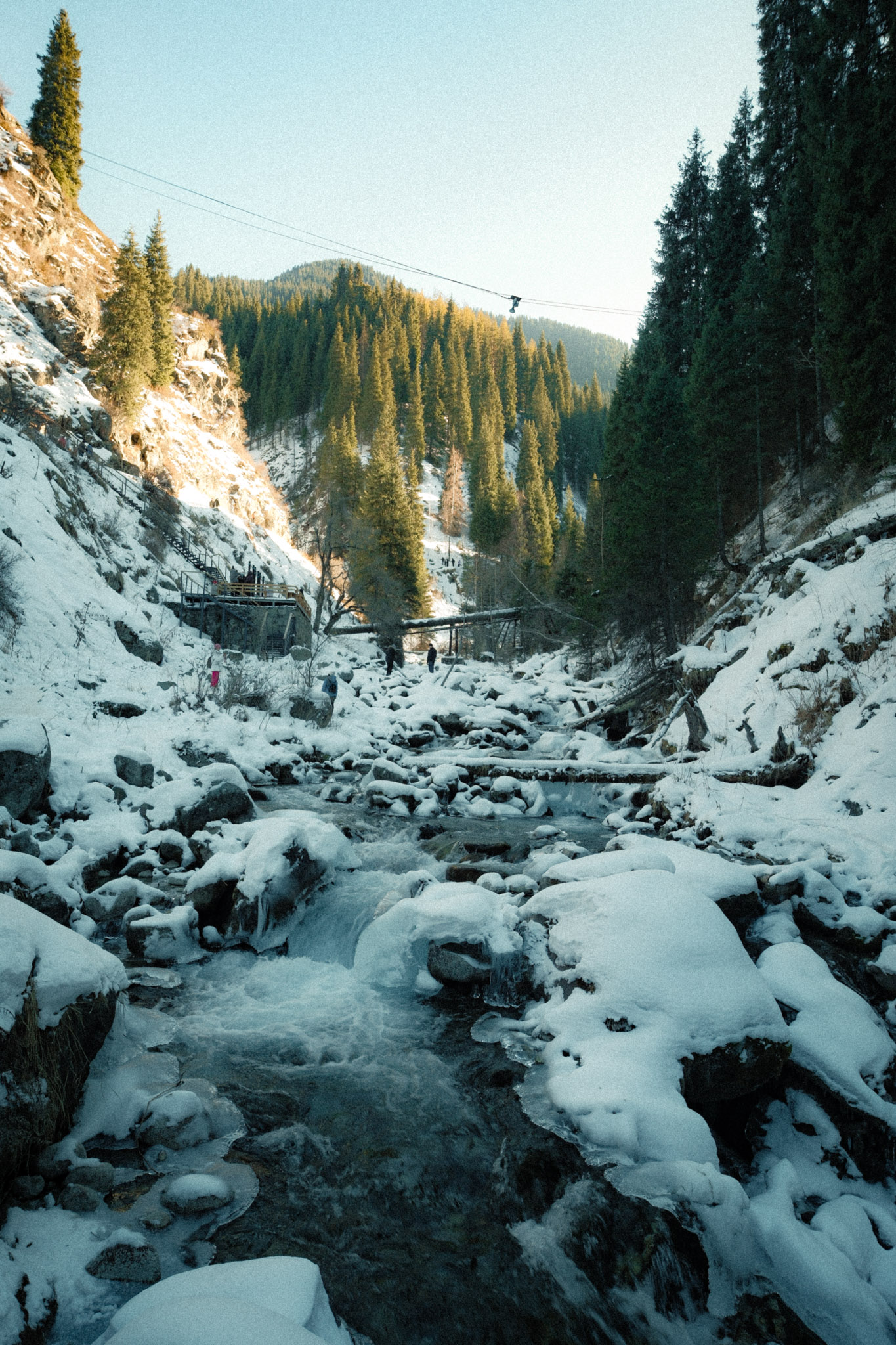
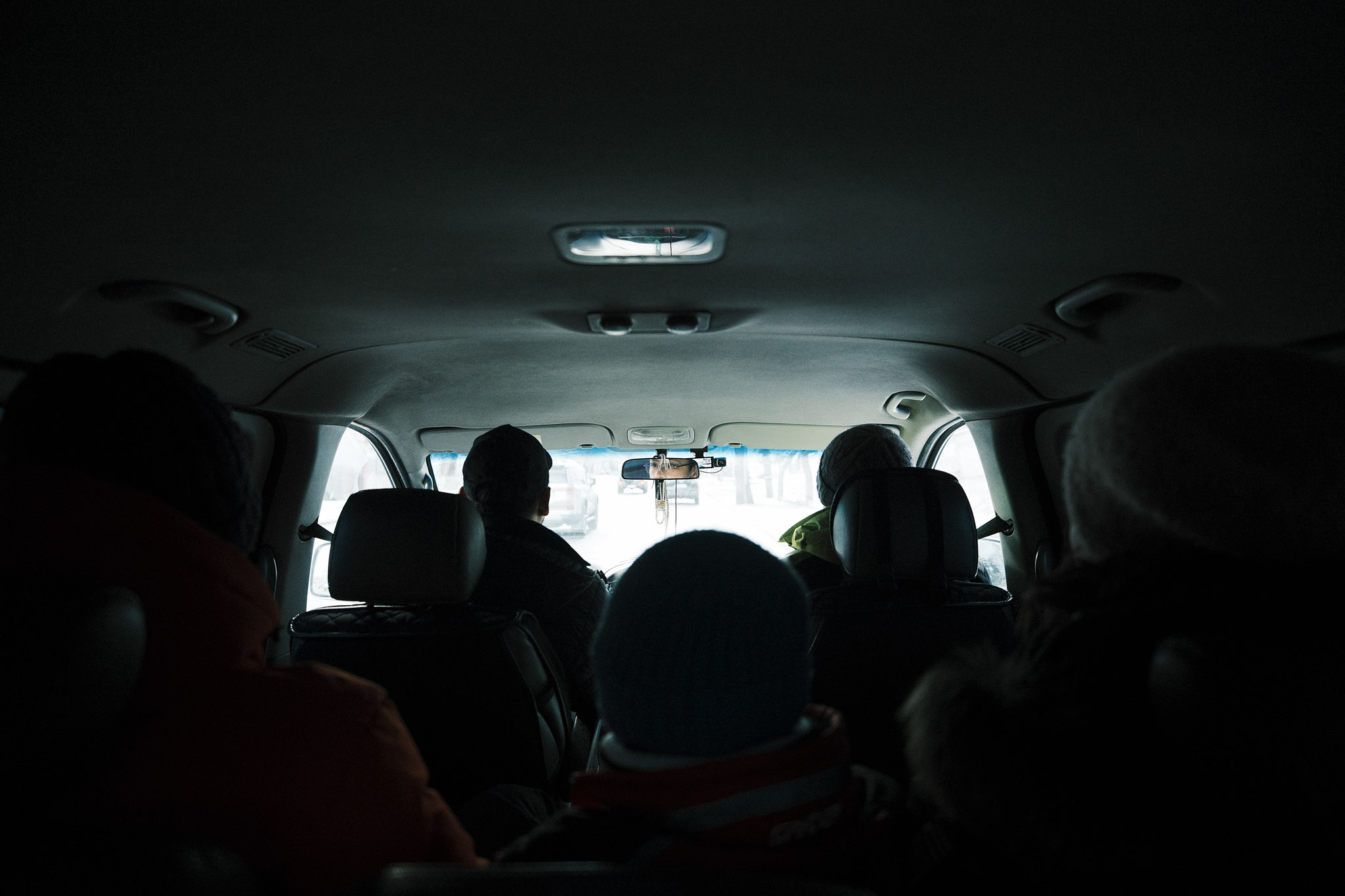
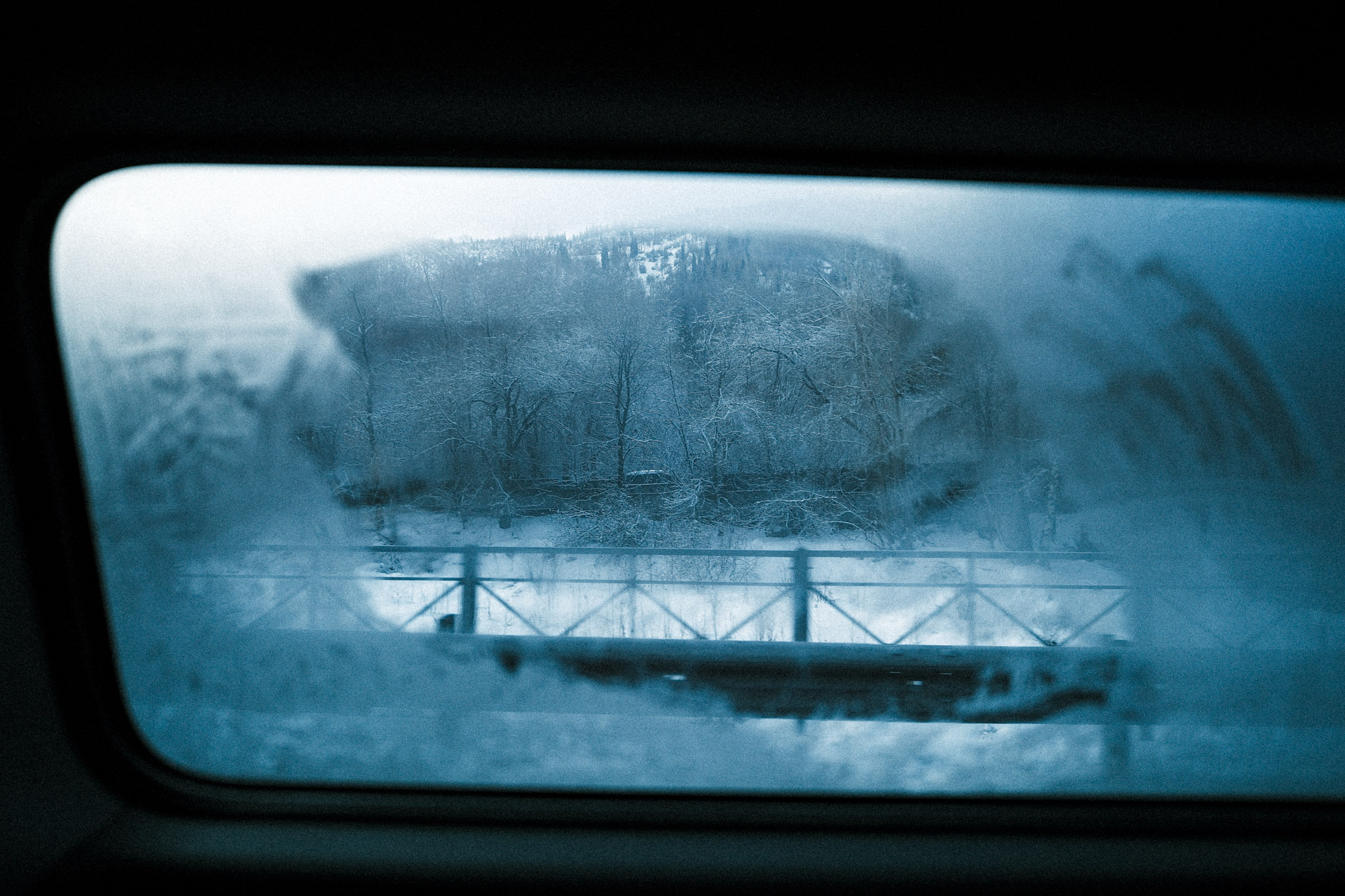
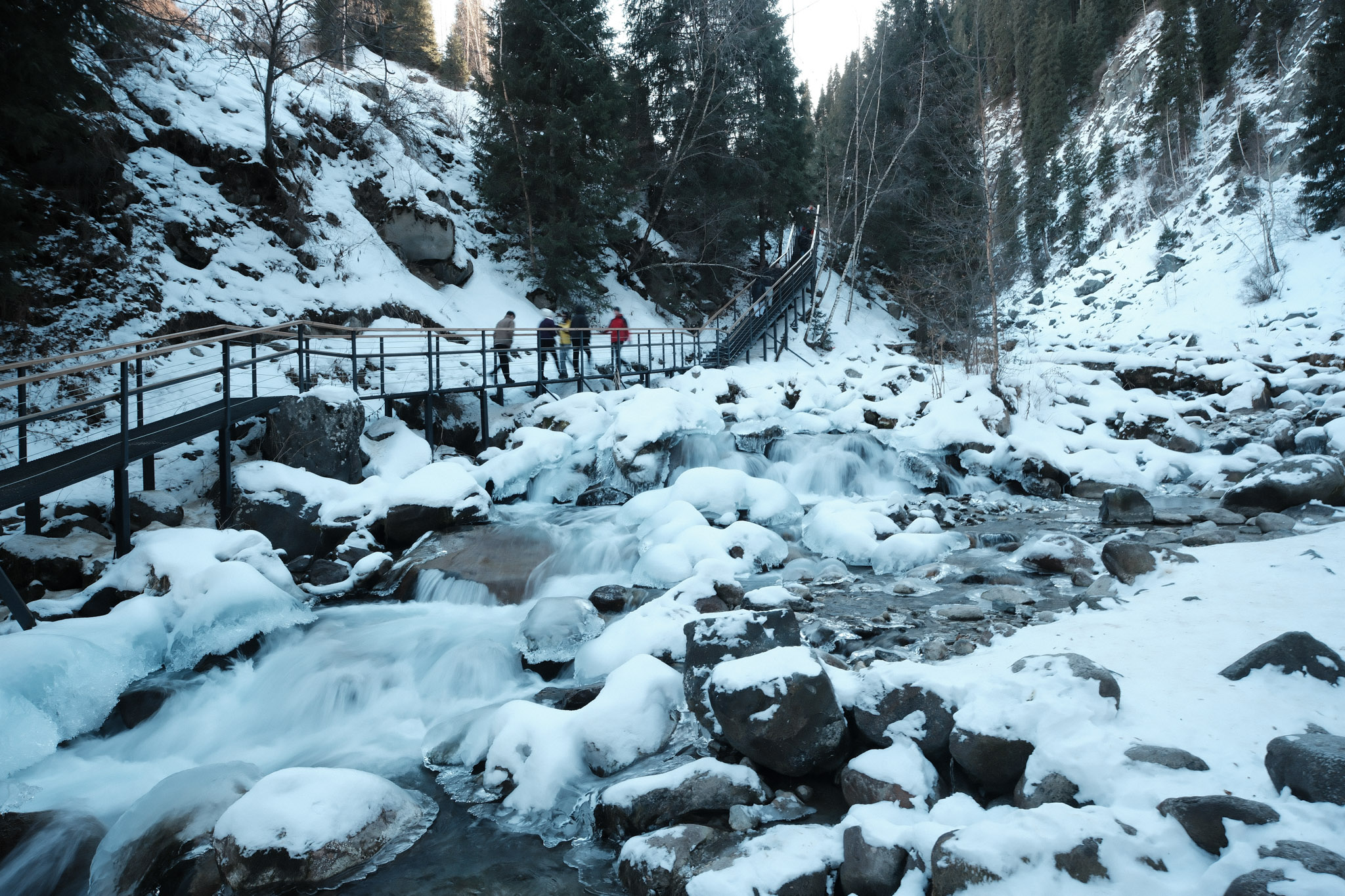
drag
Architecture
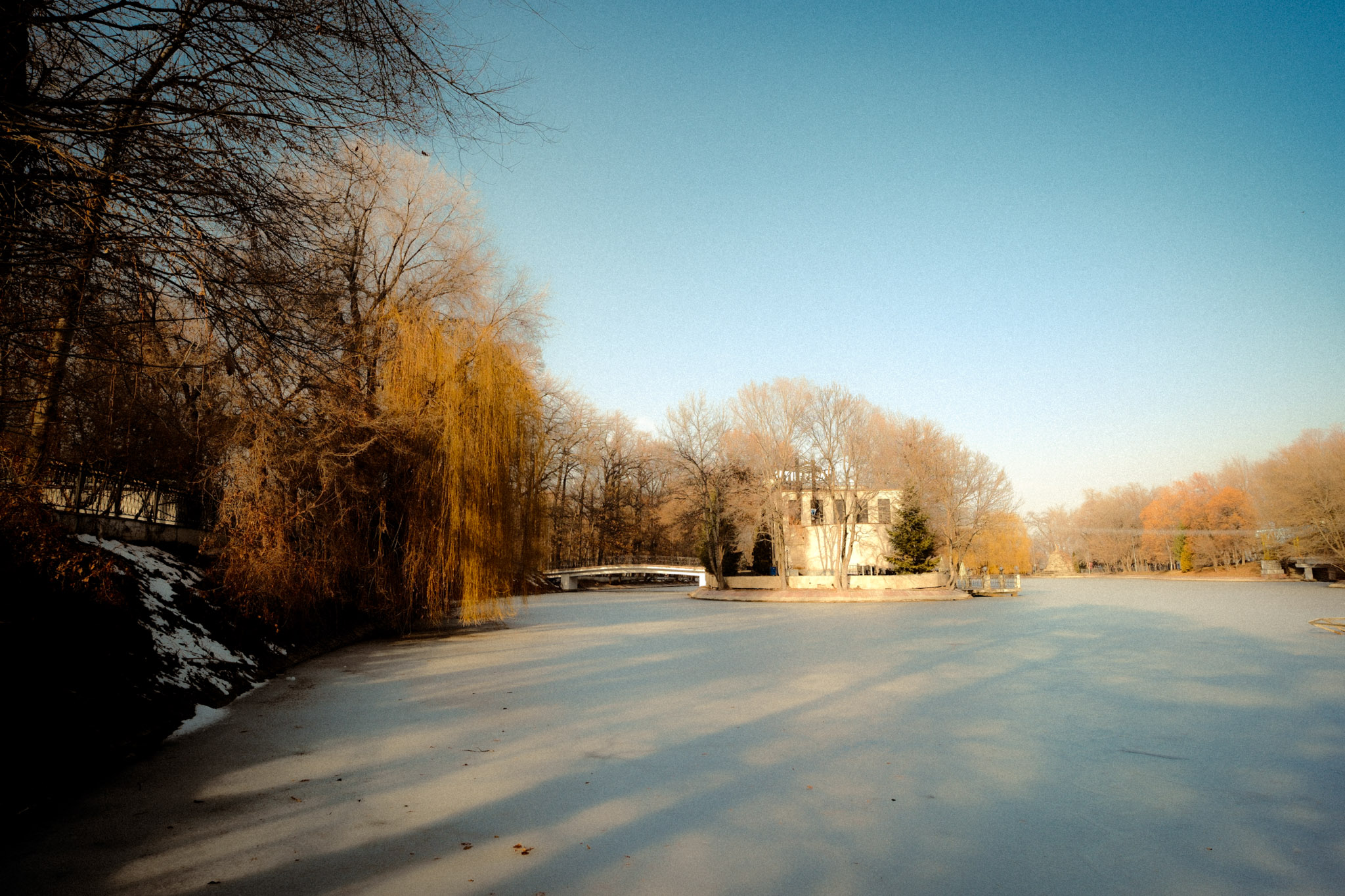
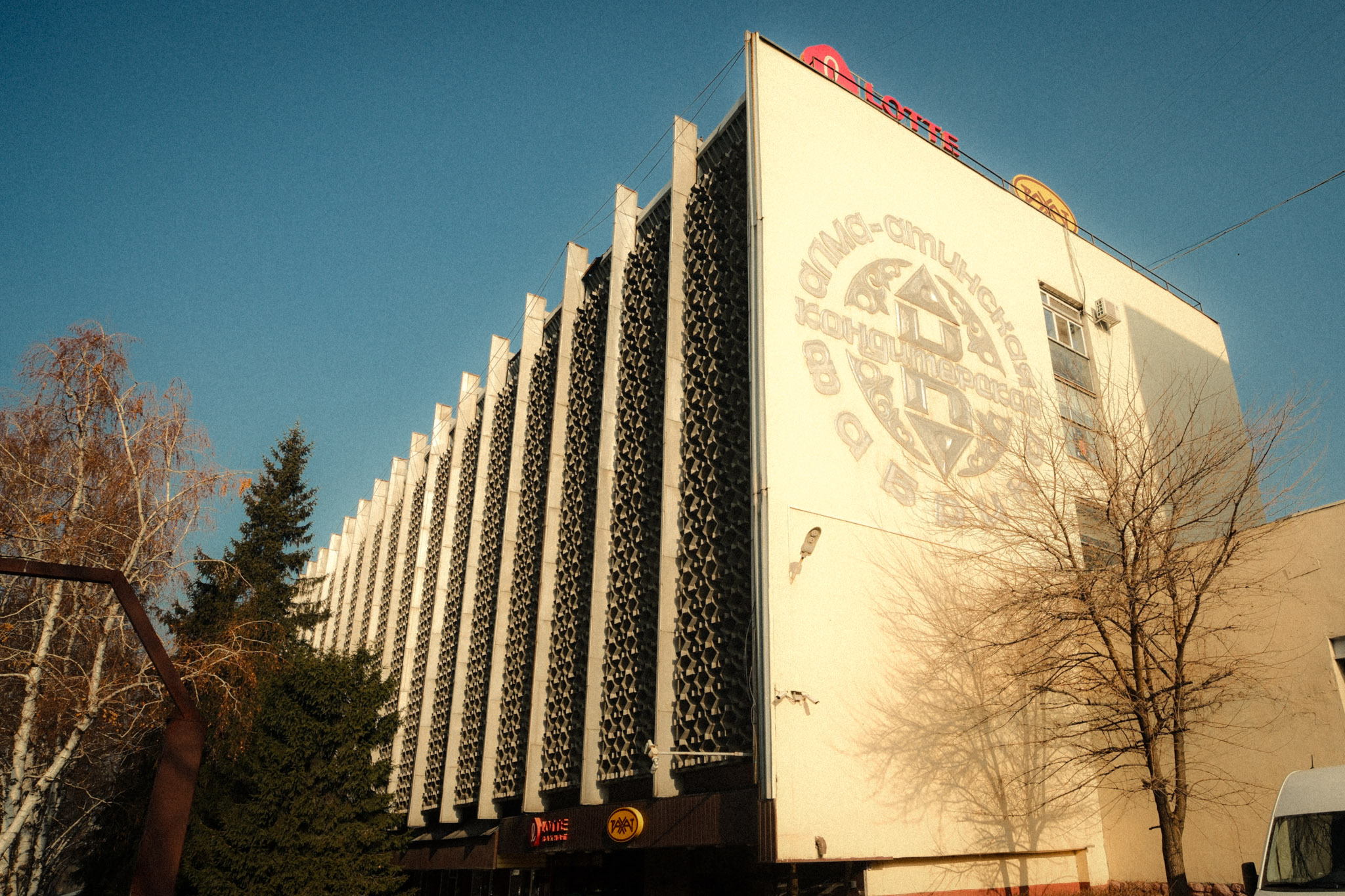
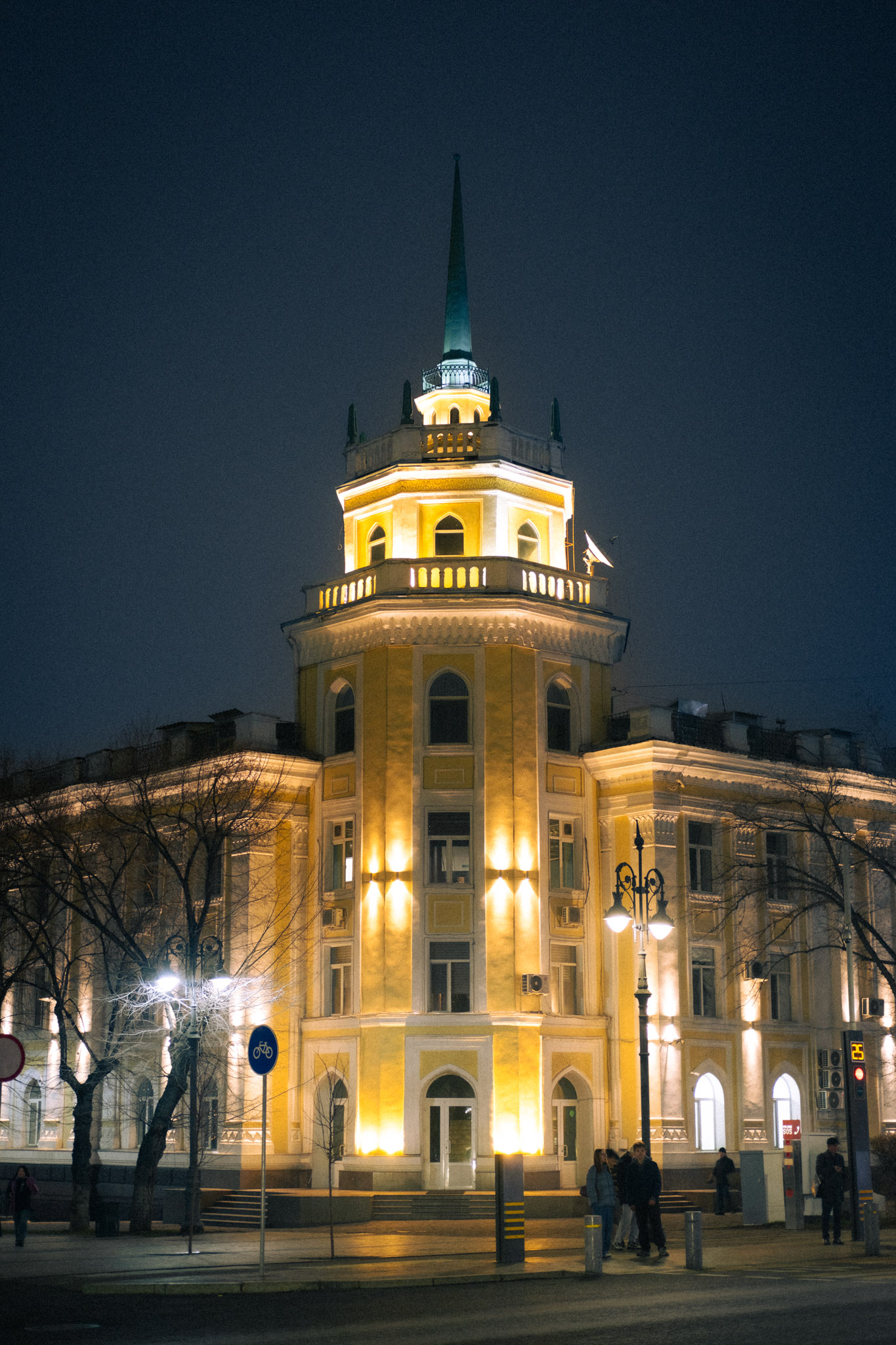
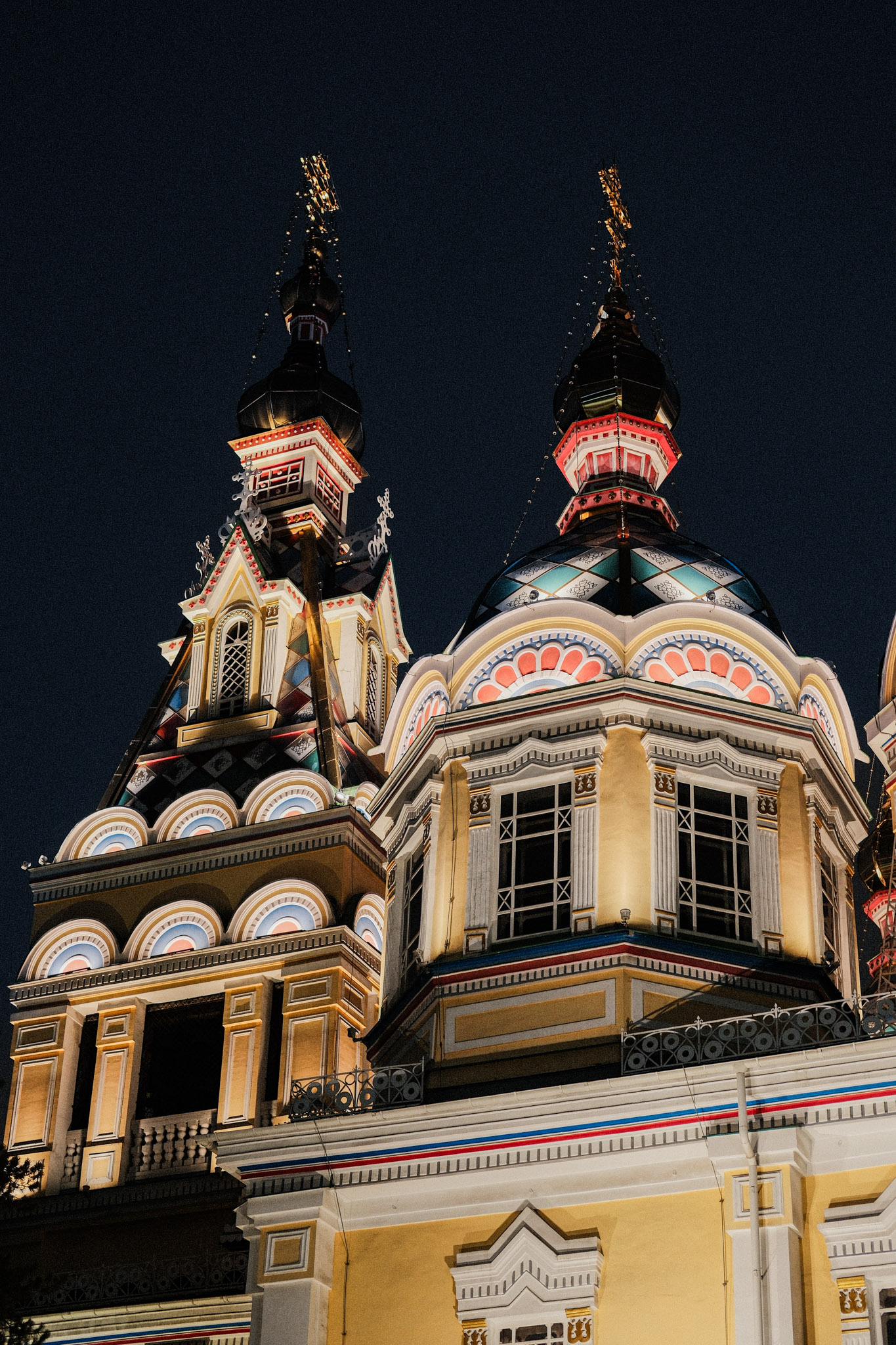
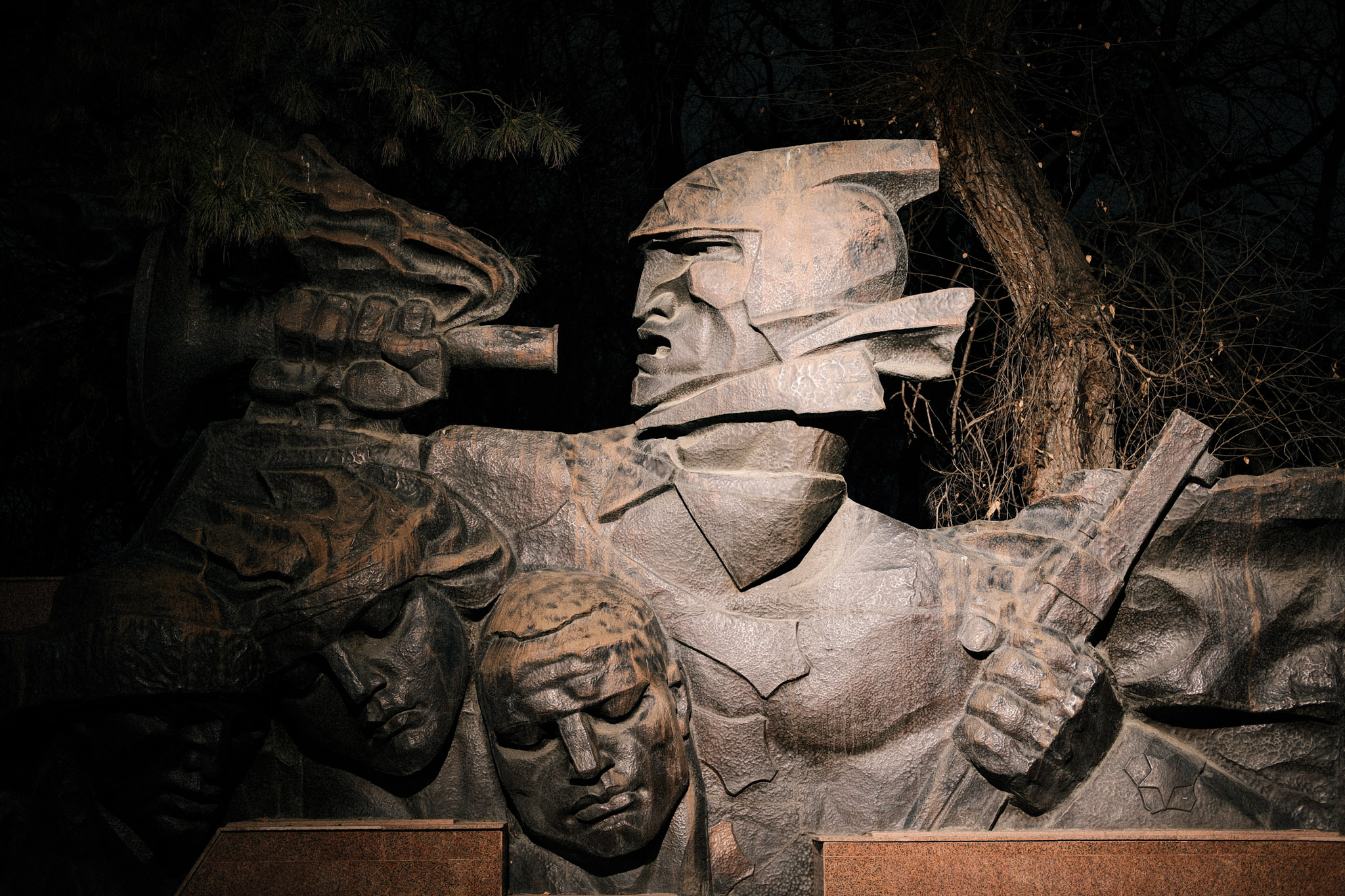
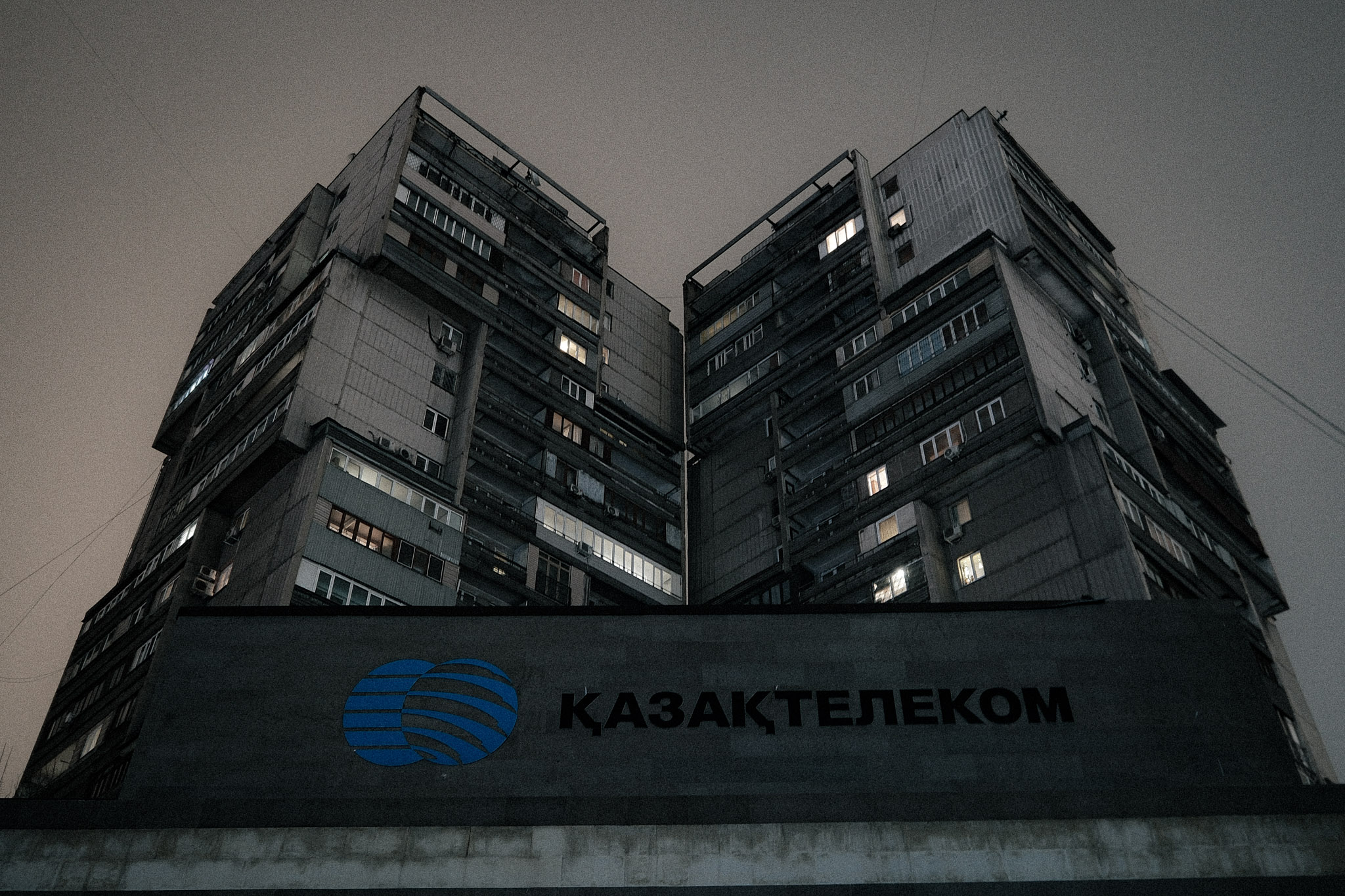
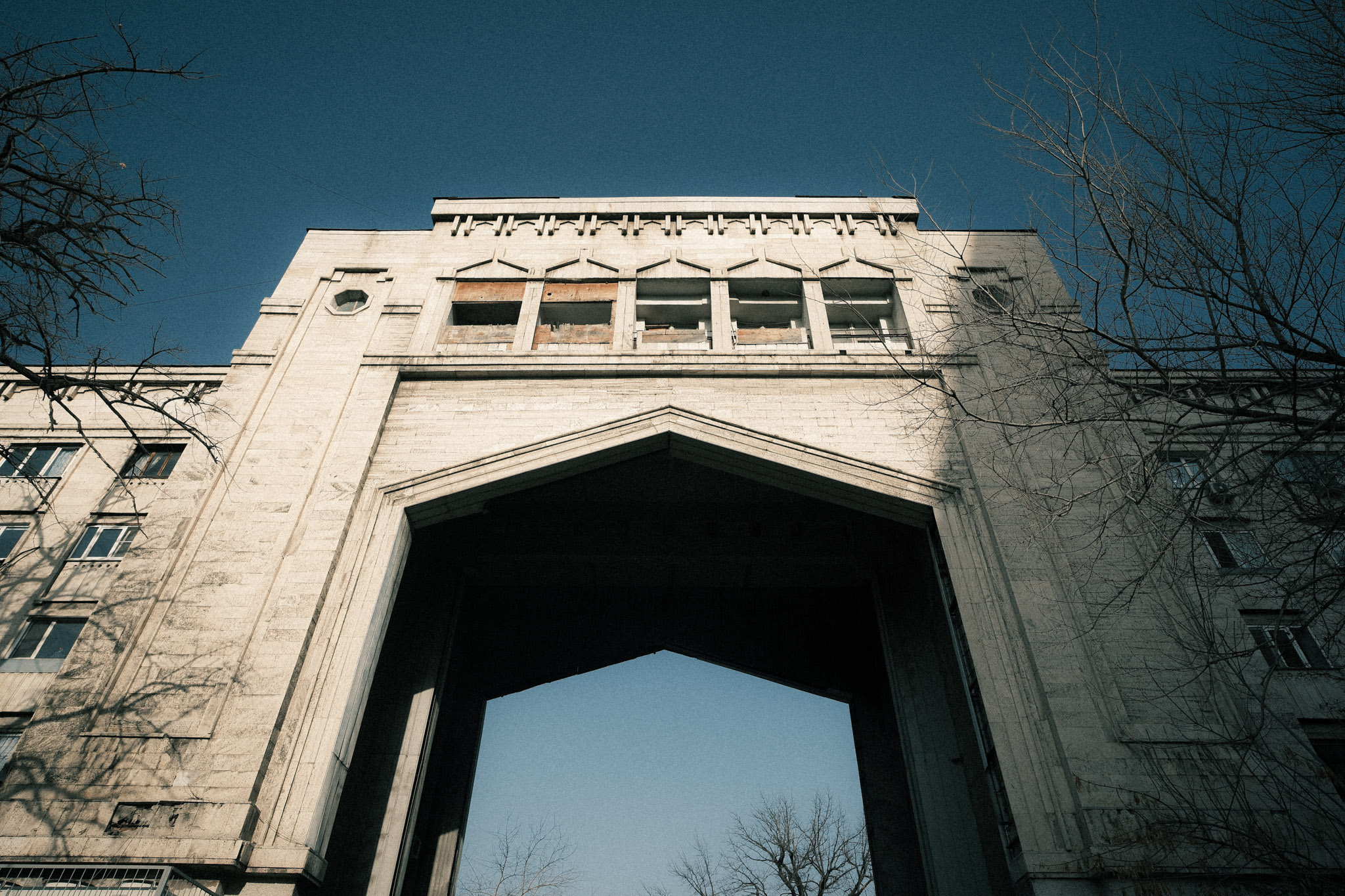
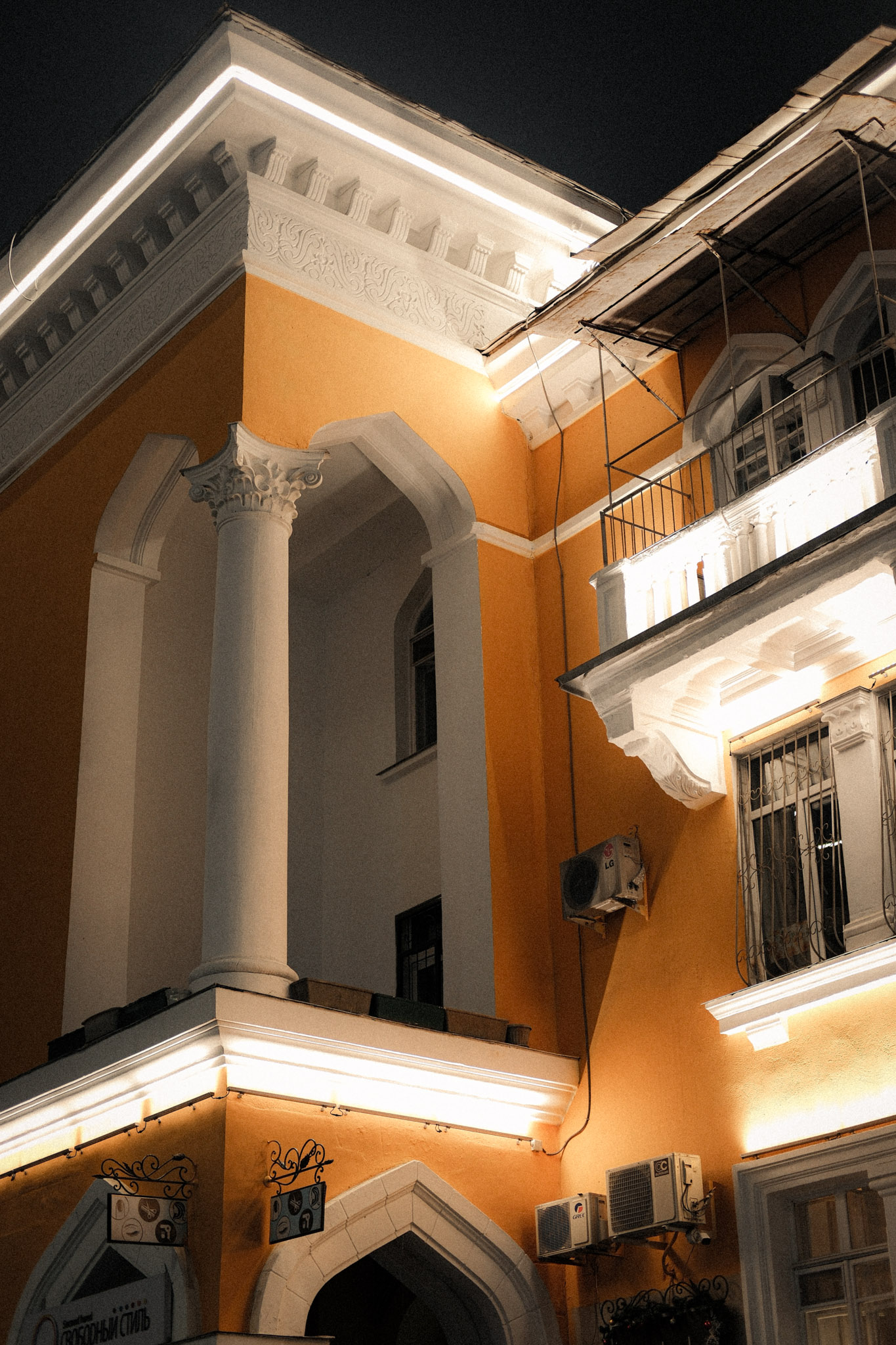
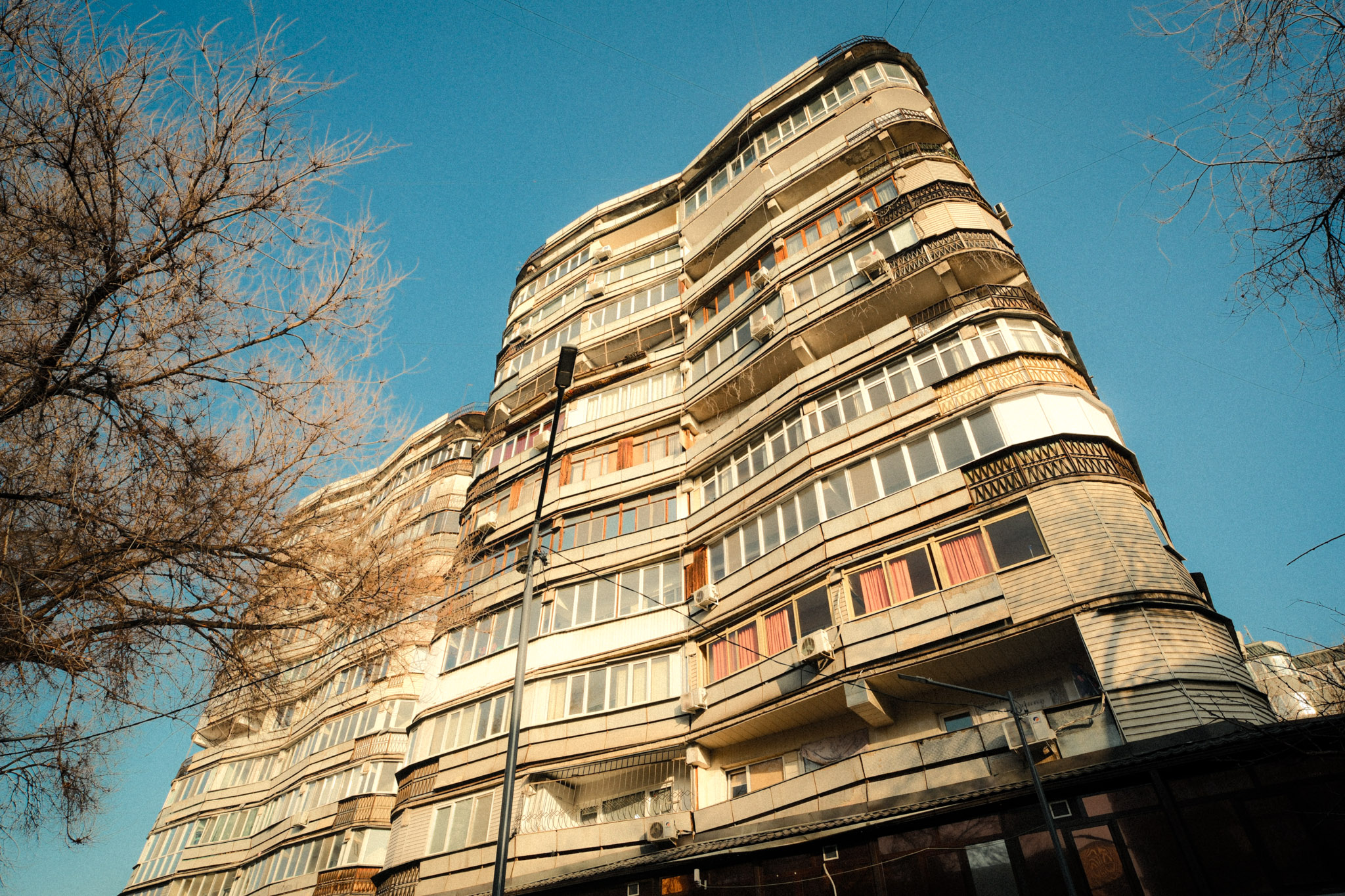
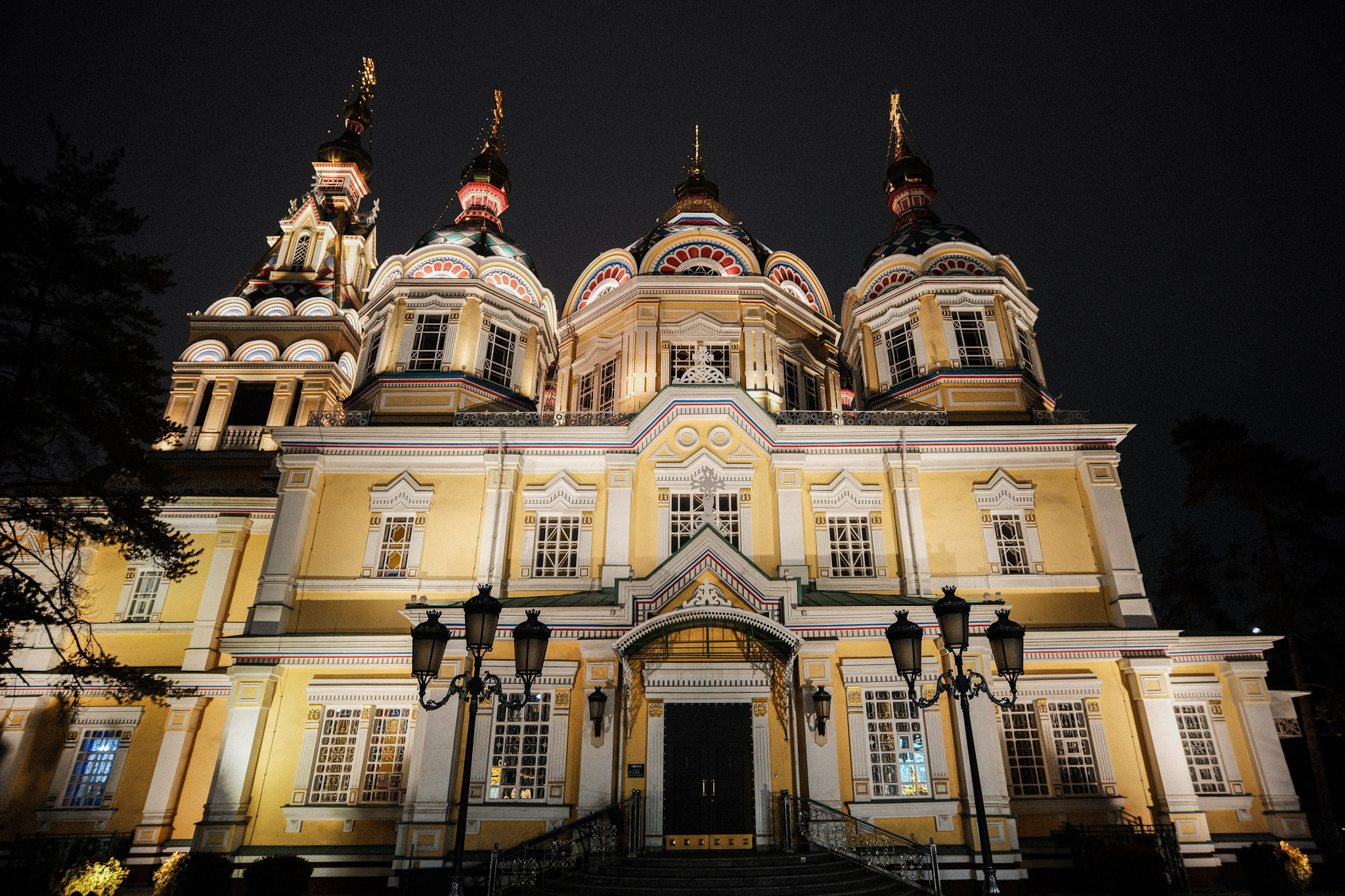
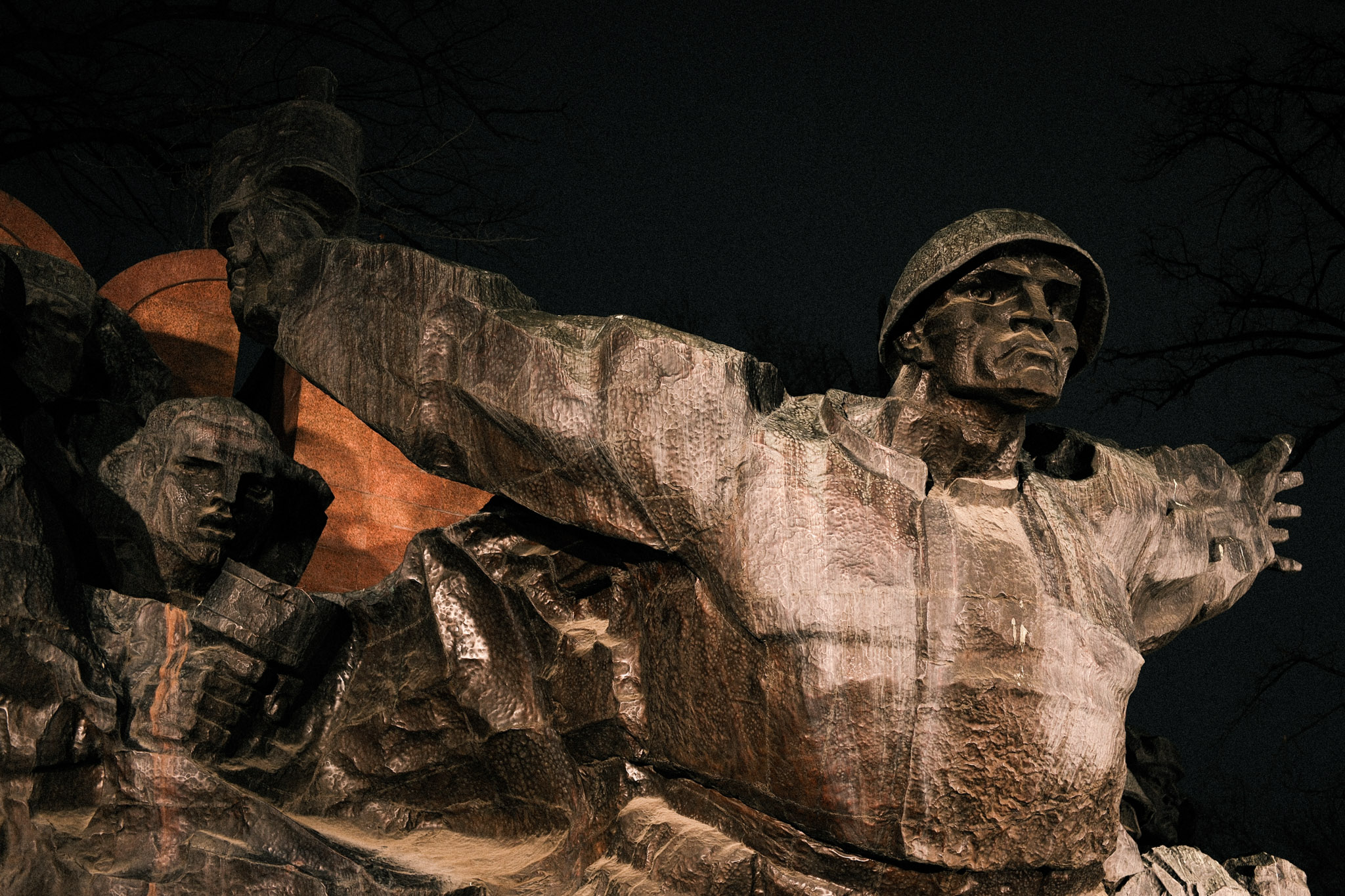
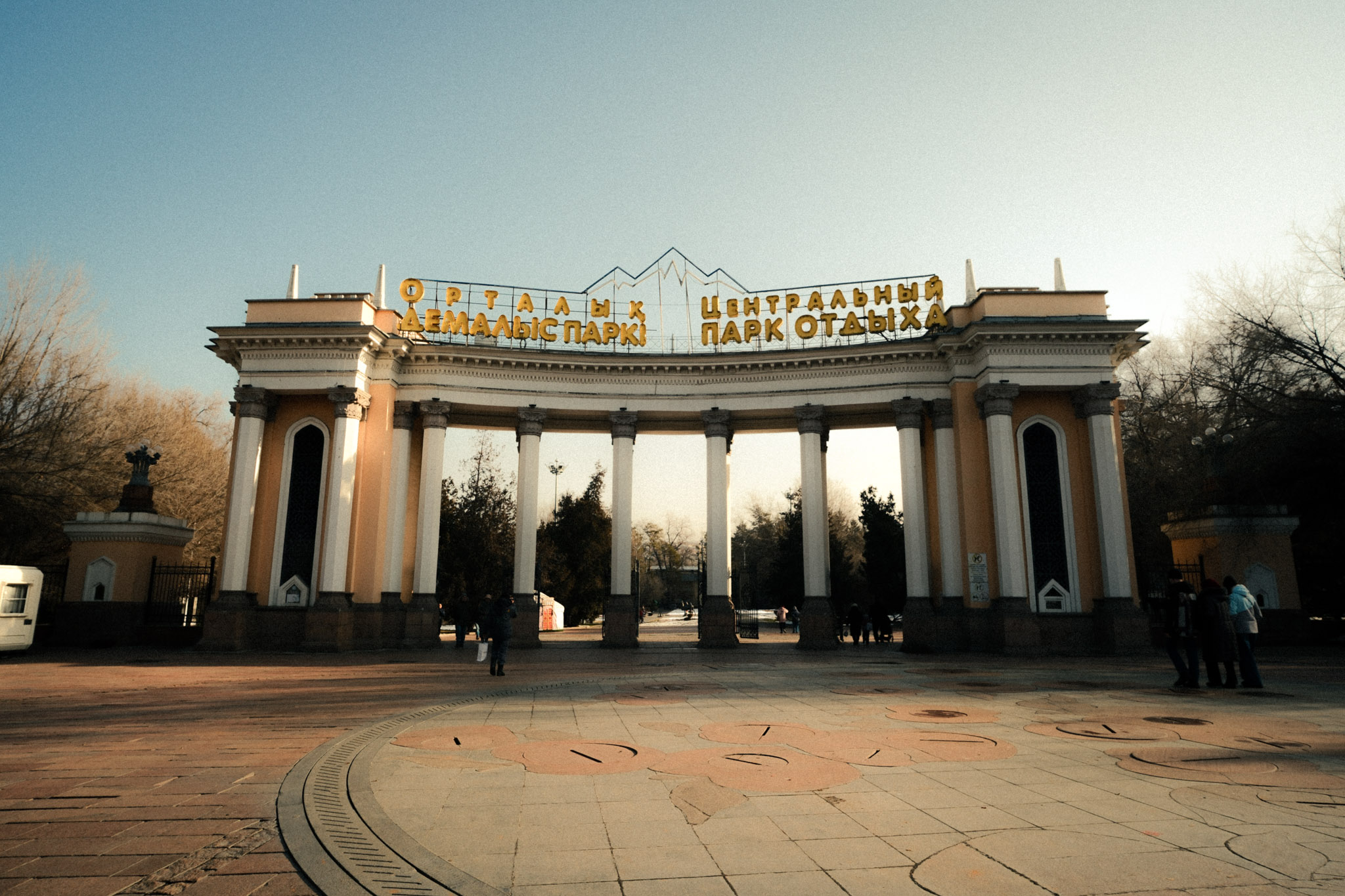
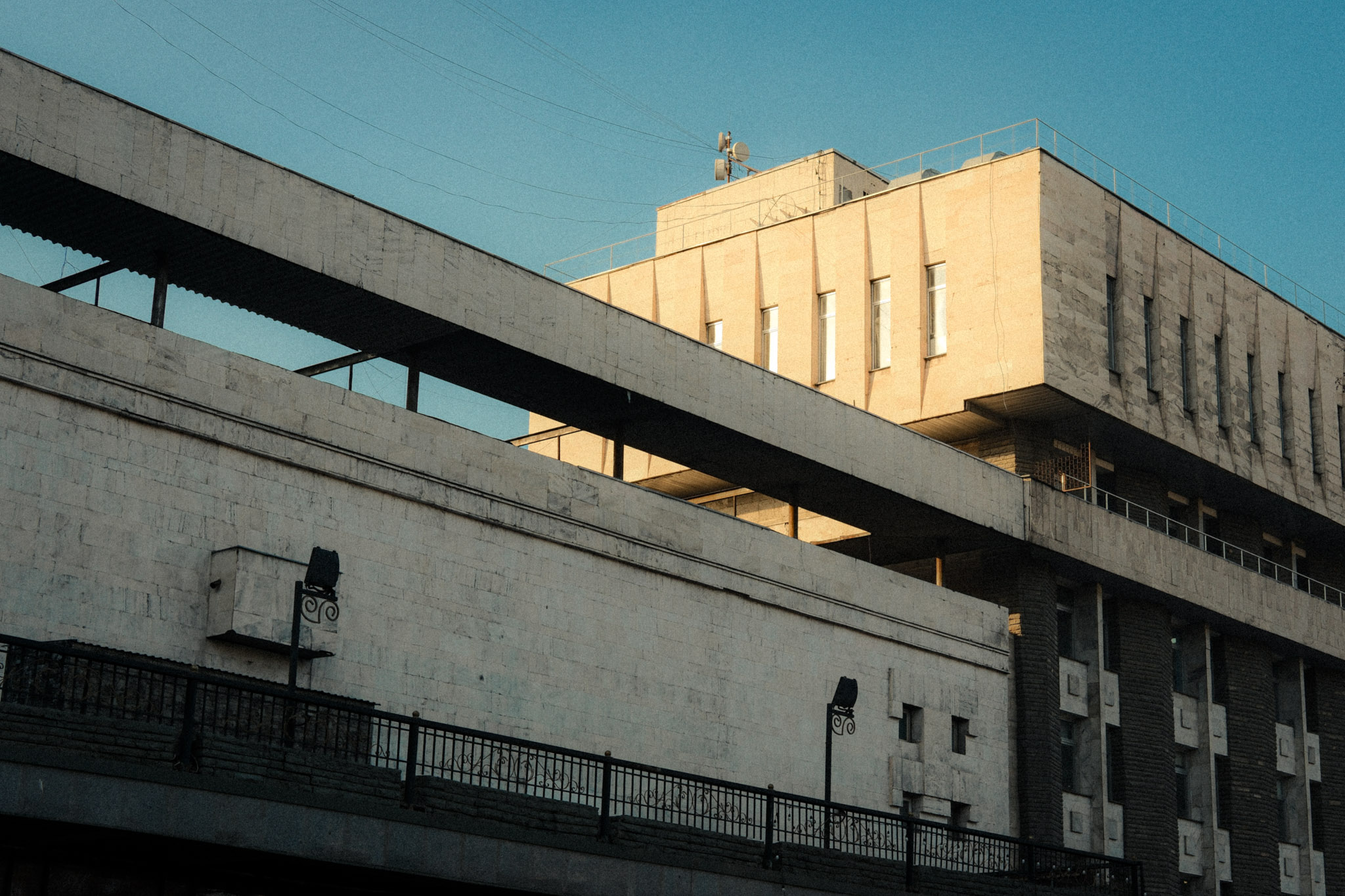
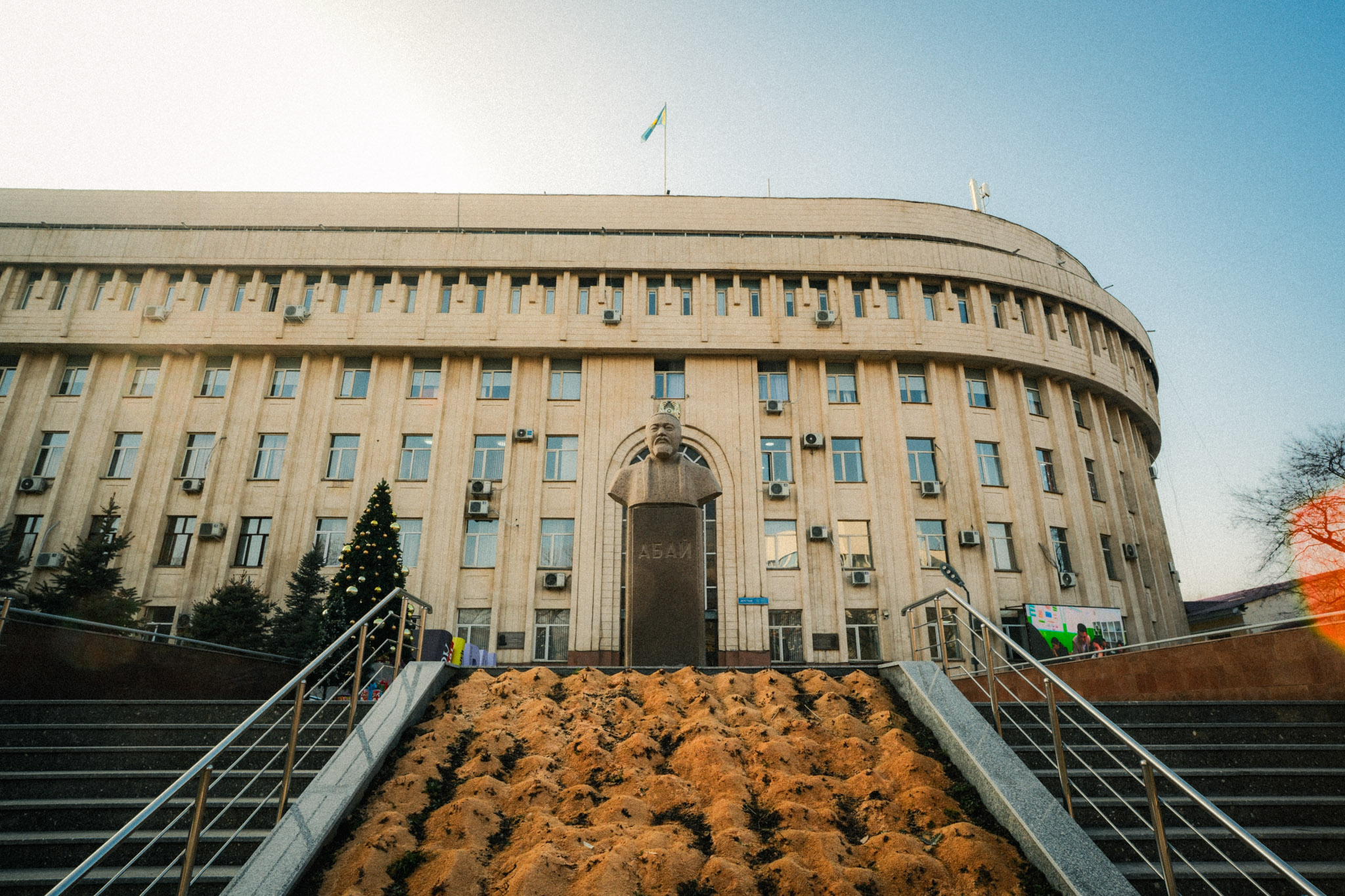
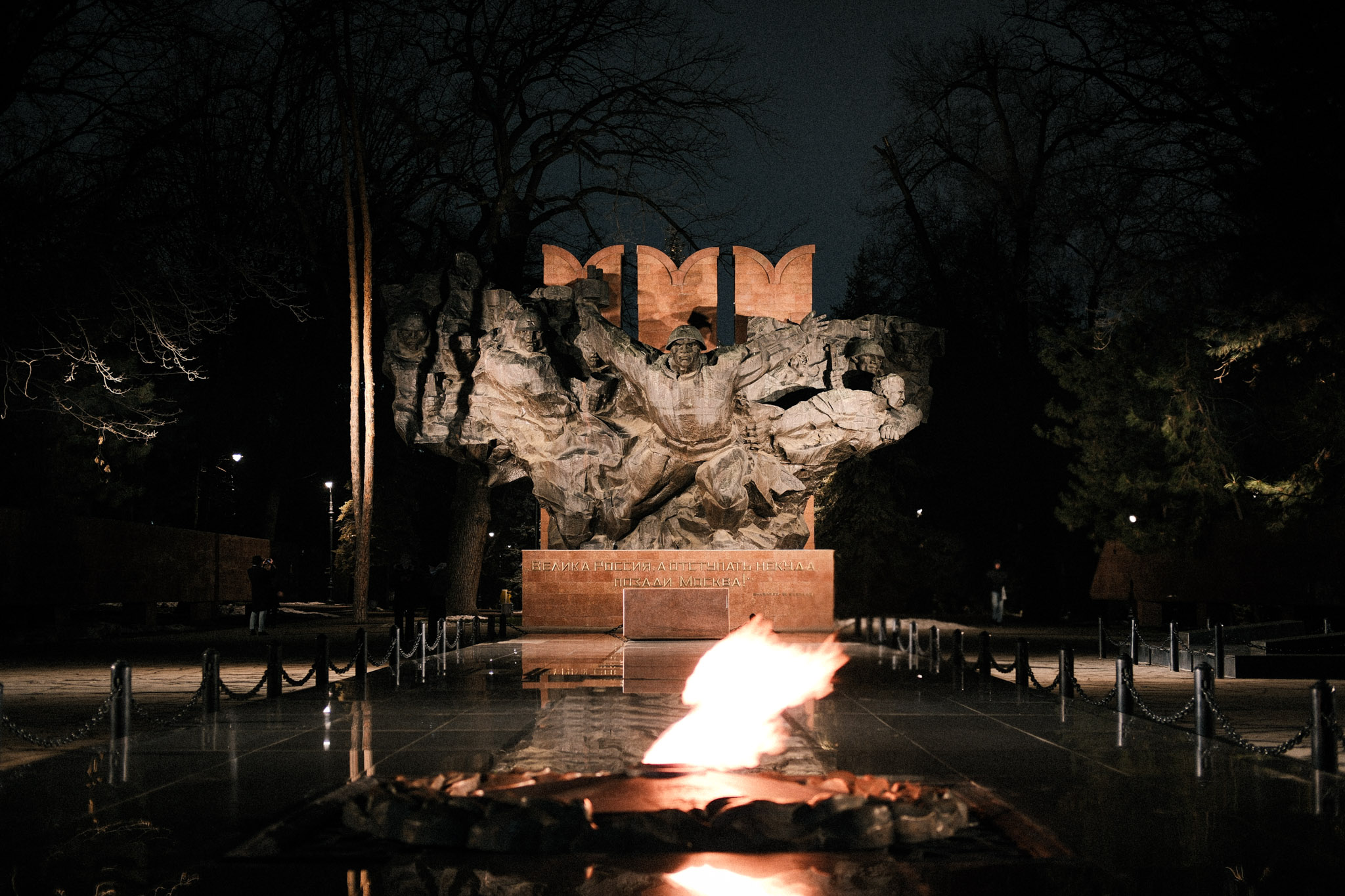
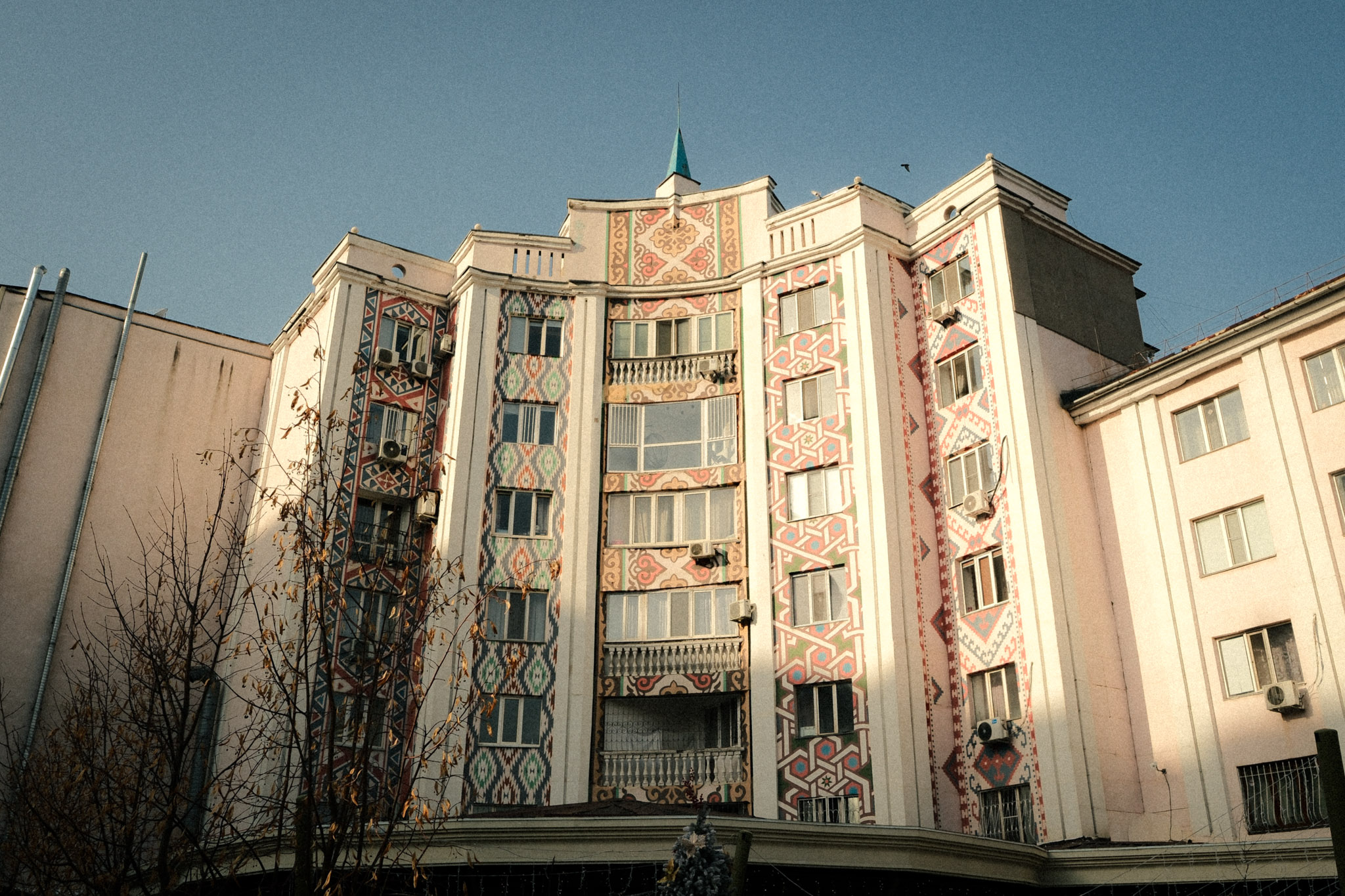
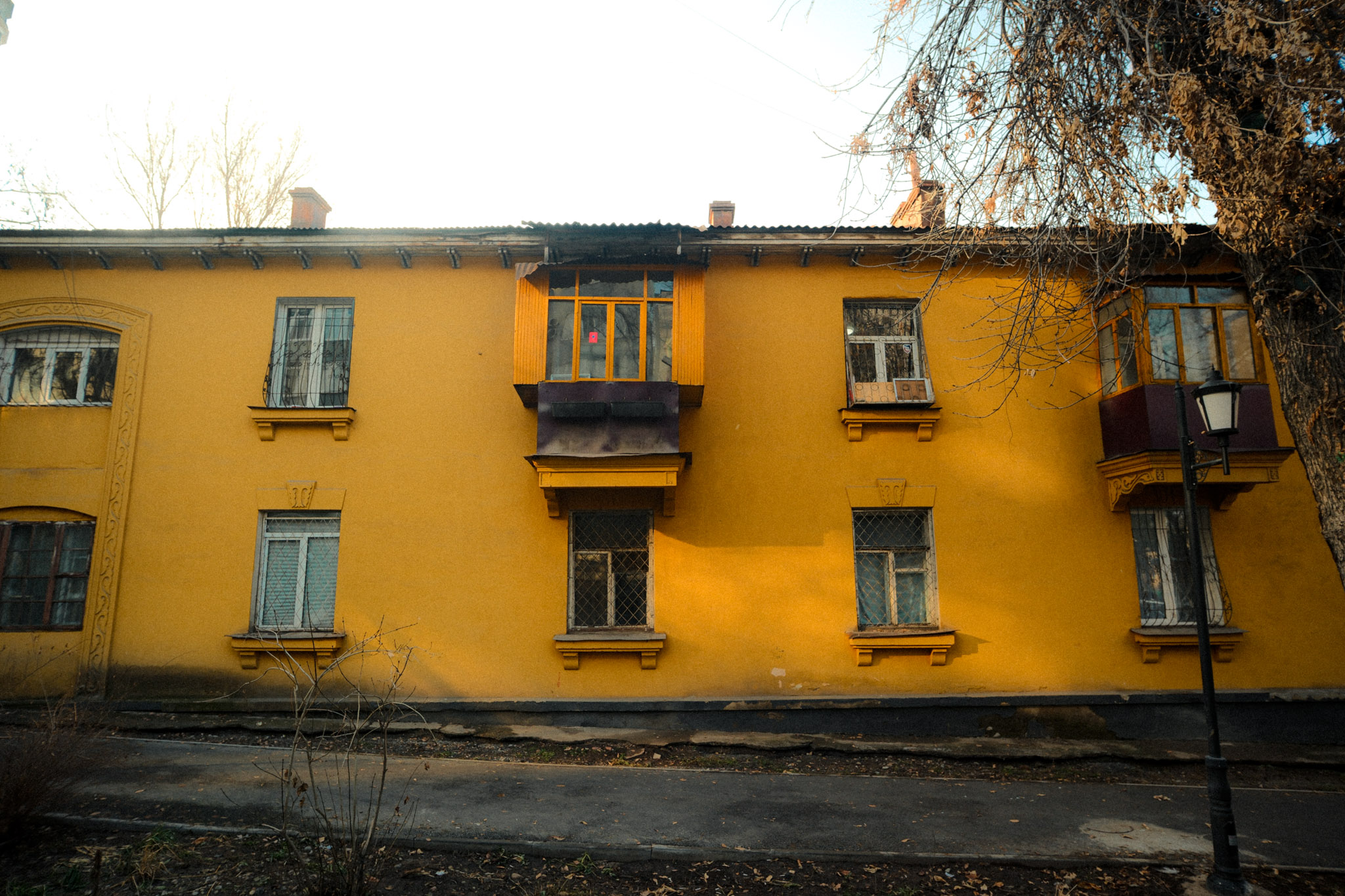
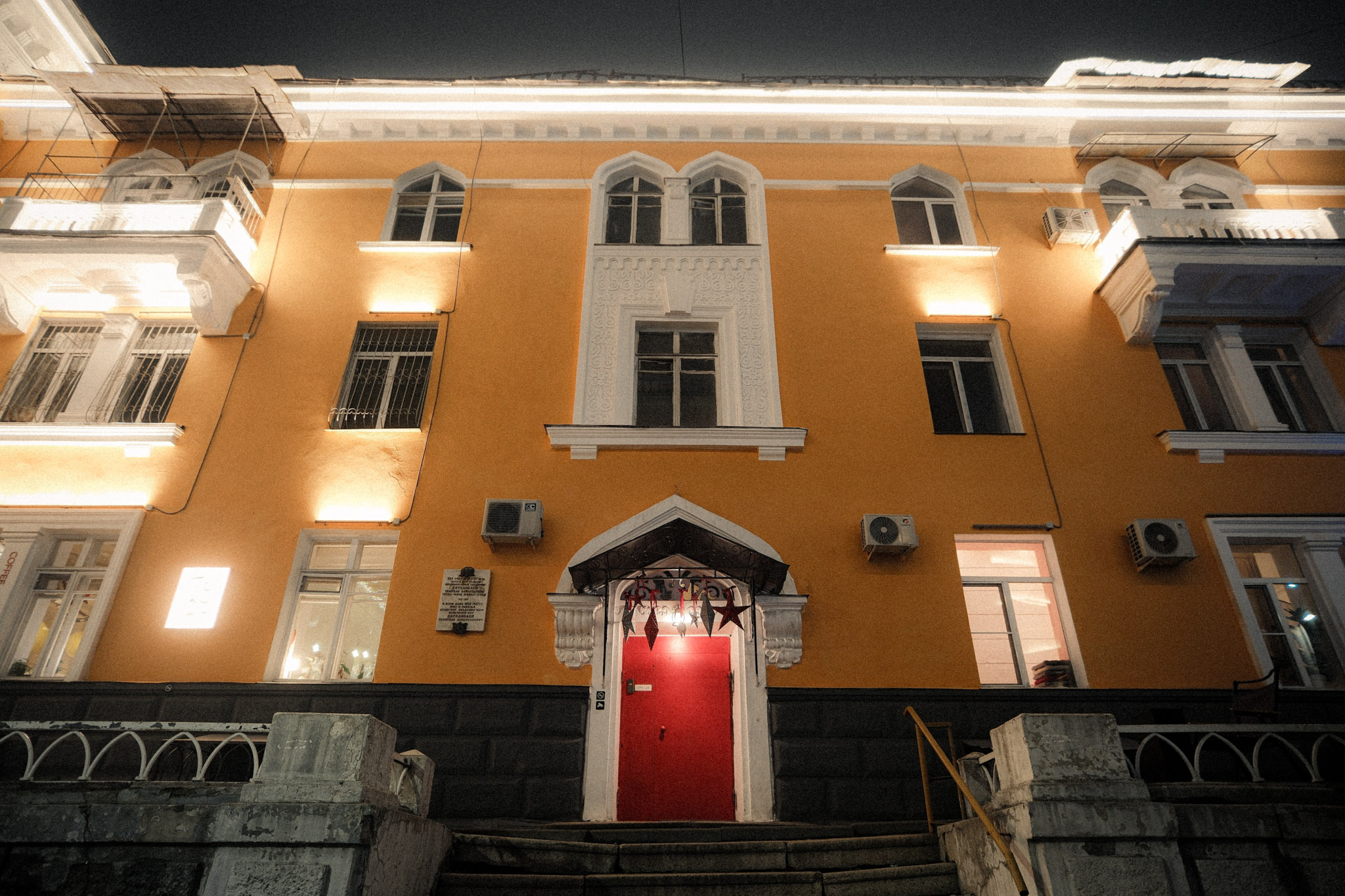
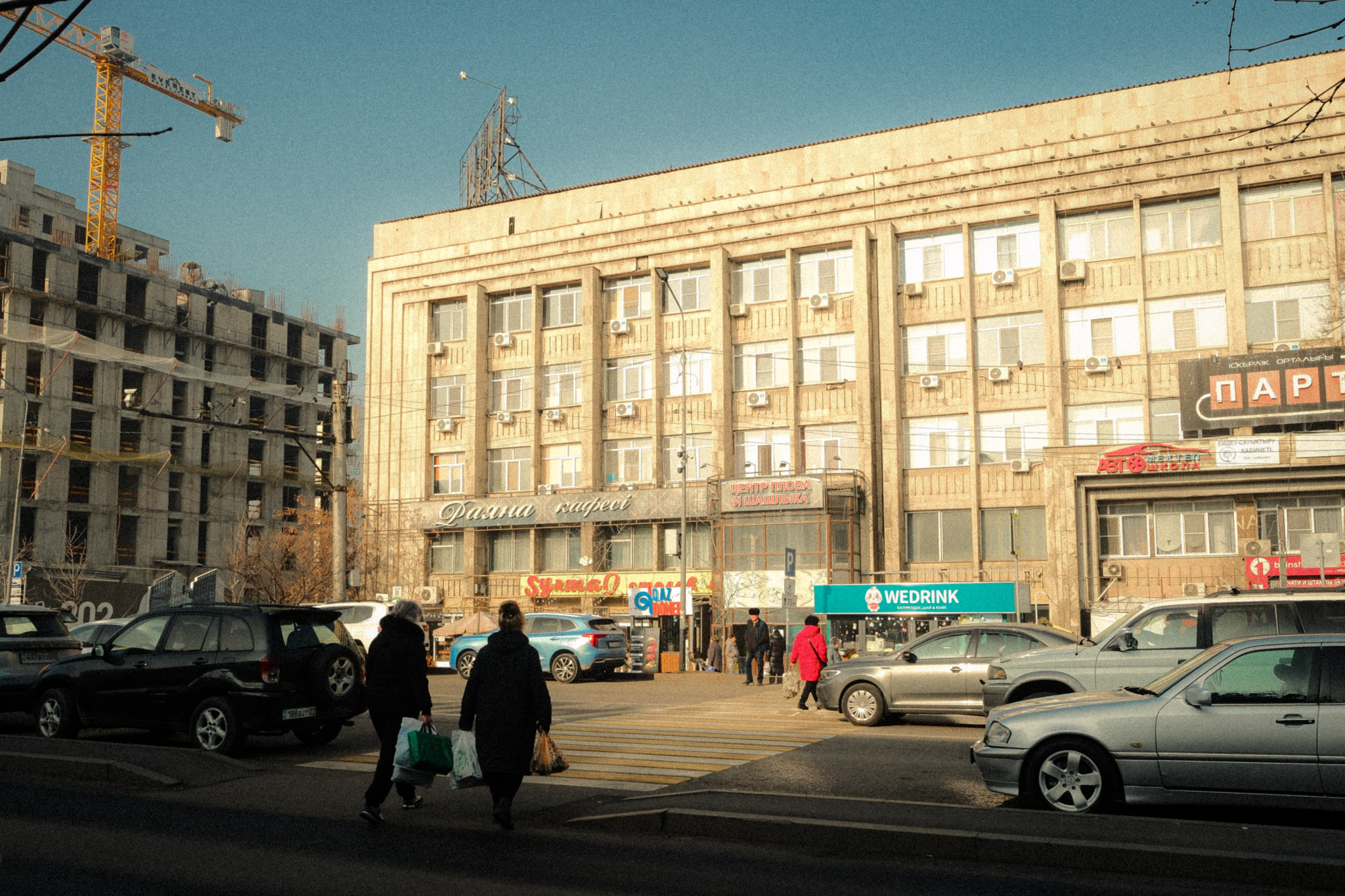
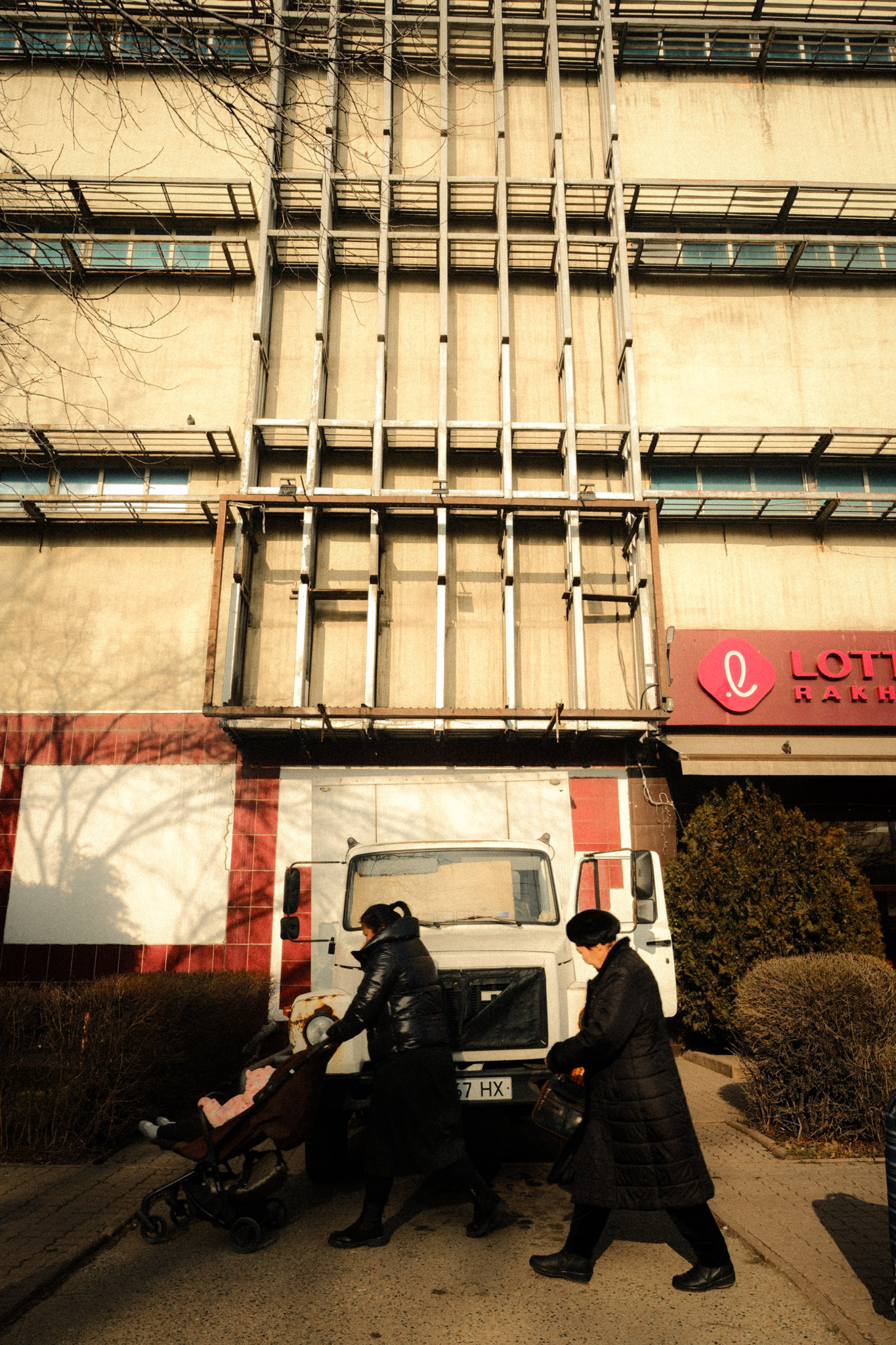
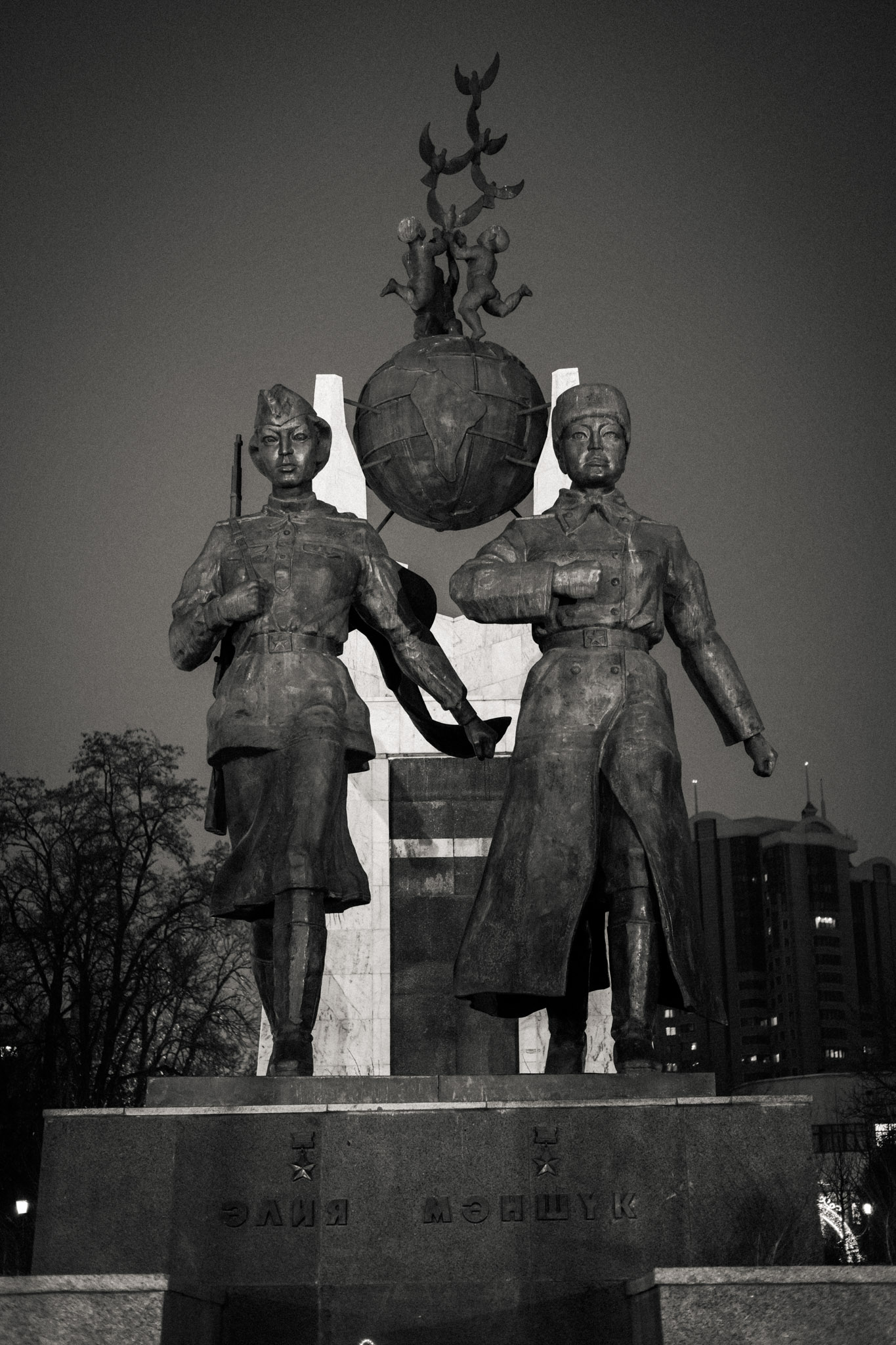
I spent a big chunk of my time in the city centre, The Golden Square. It was a city centre almost completely made up of Soviet-era Stalinist architecture. Coming from Tashkent, which has its own version of all of this, Almaty felt like a more traditional, more monumental take on the Soviet urbanism. Almaty's Soviet architecture felt very heavy, especially around the war memorial park, which looked completely different to what we have at home in Tashkent.
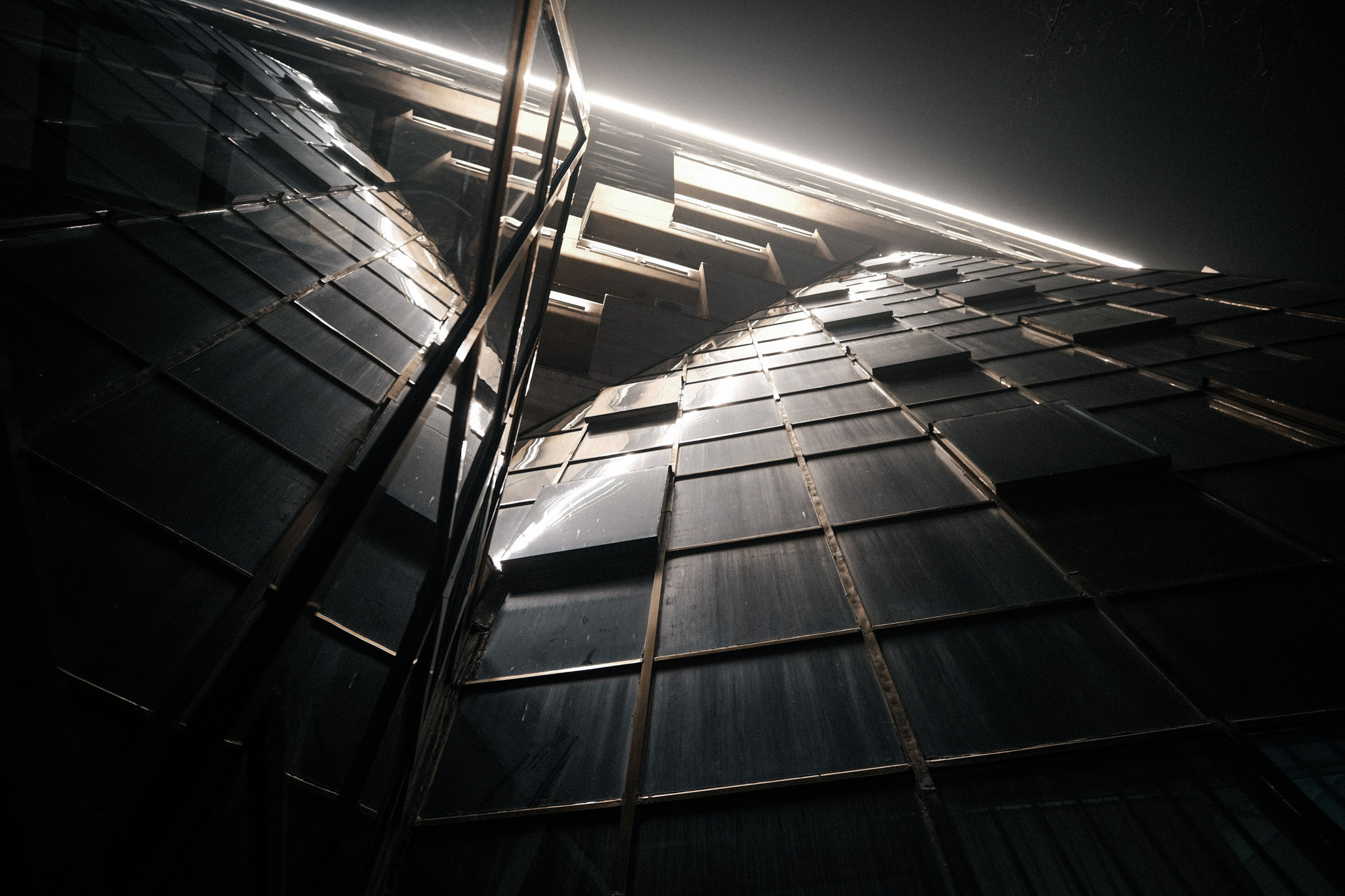
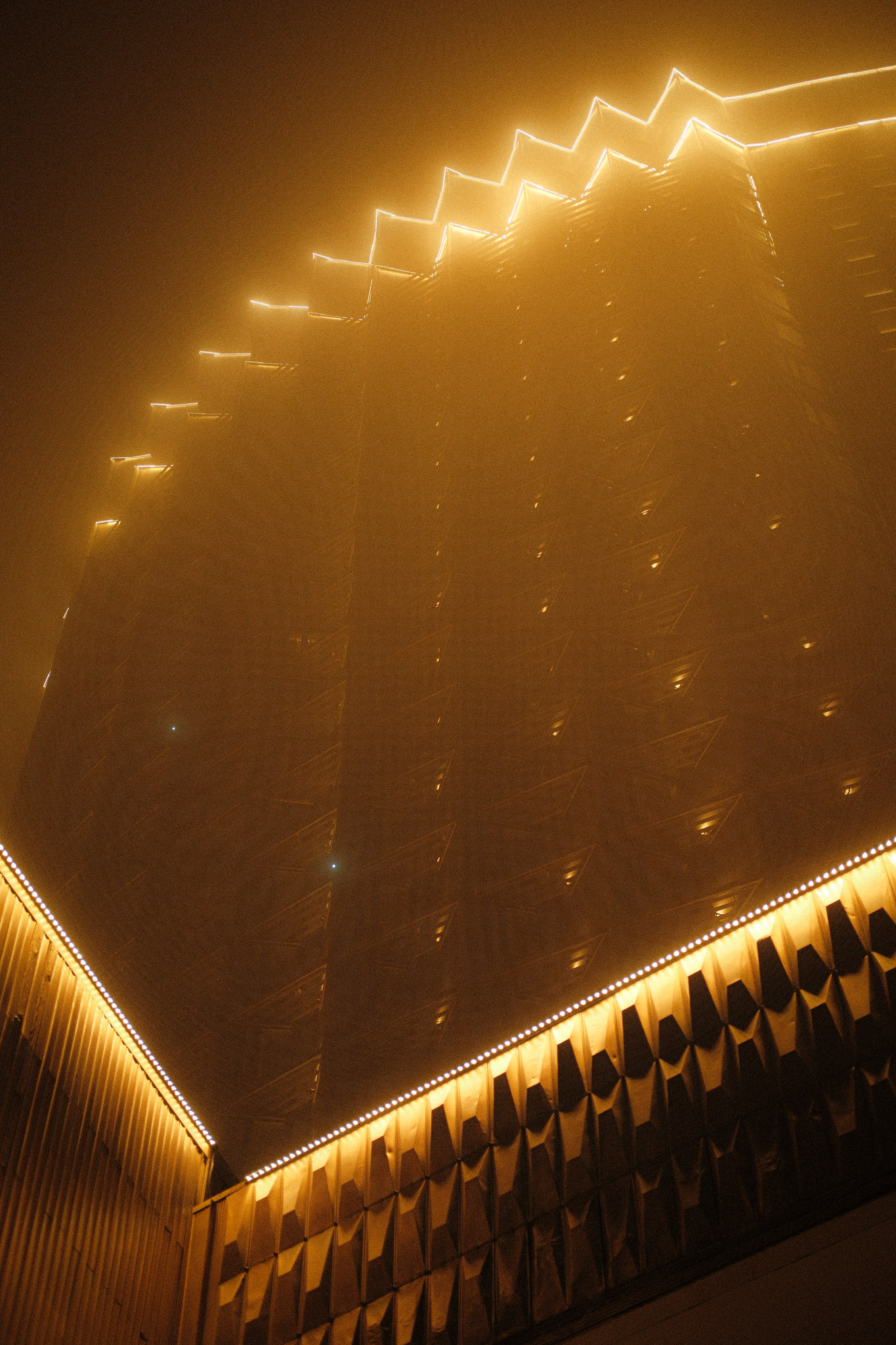
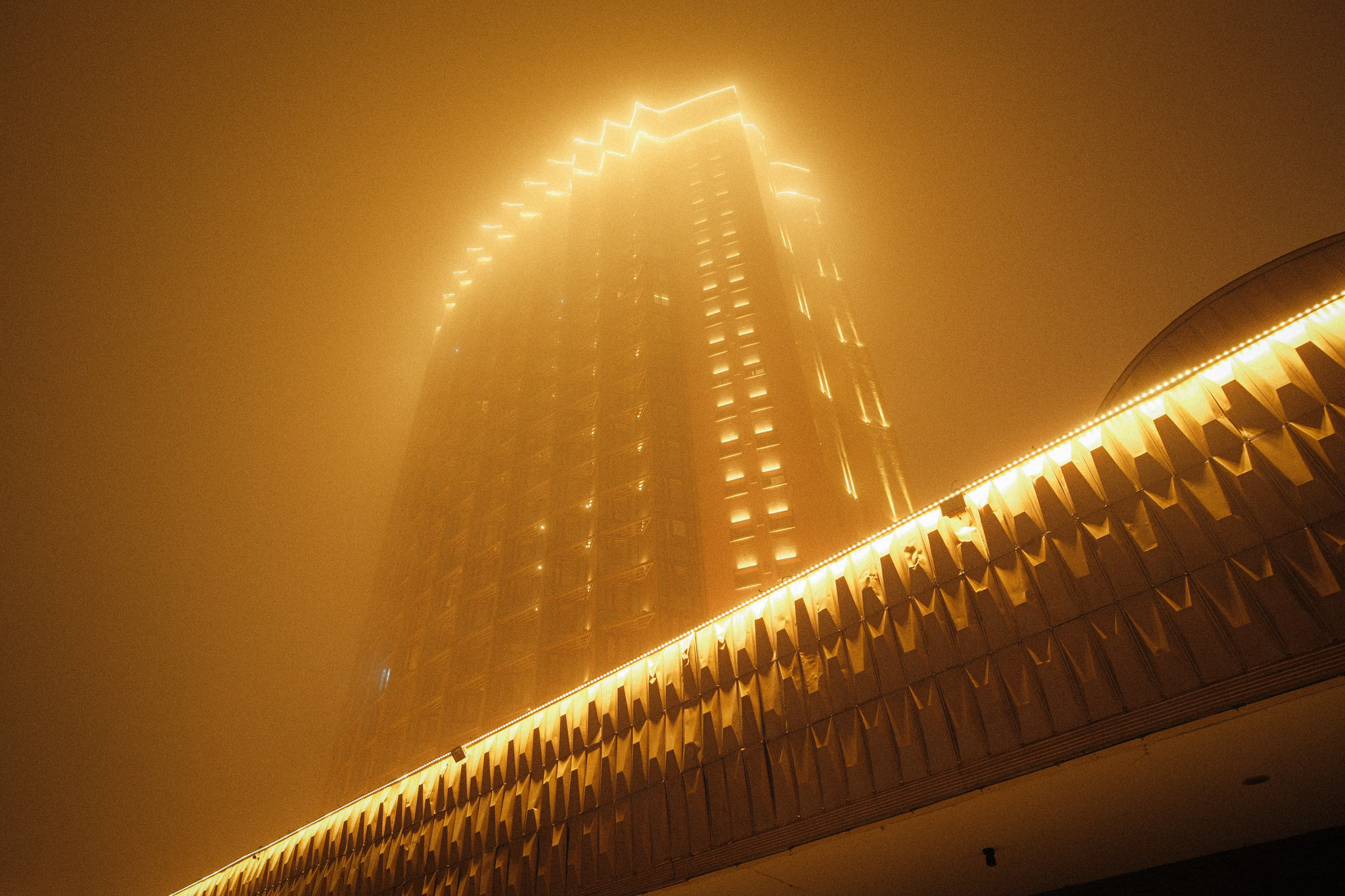
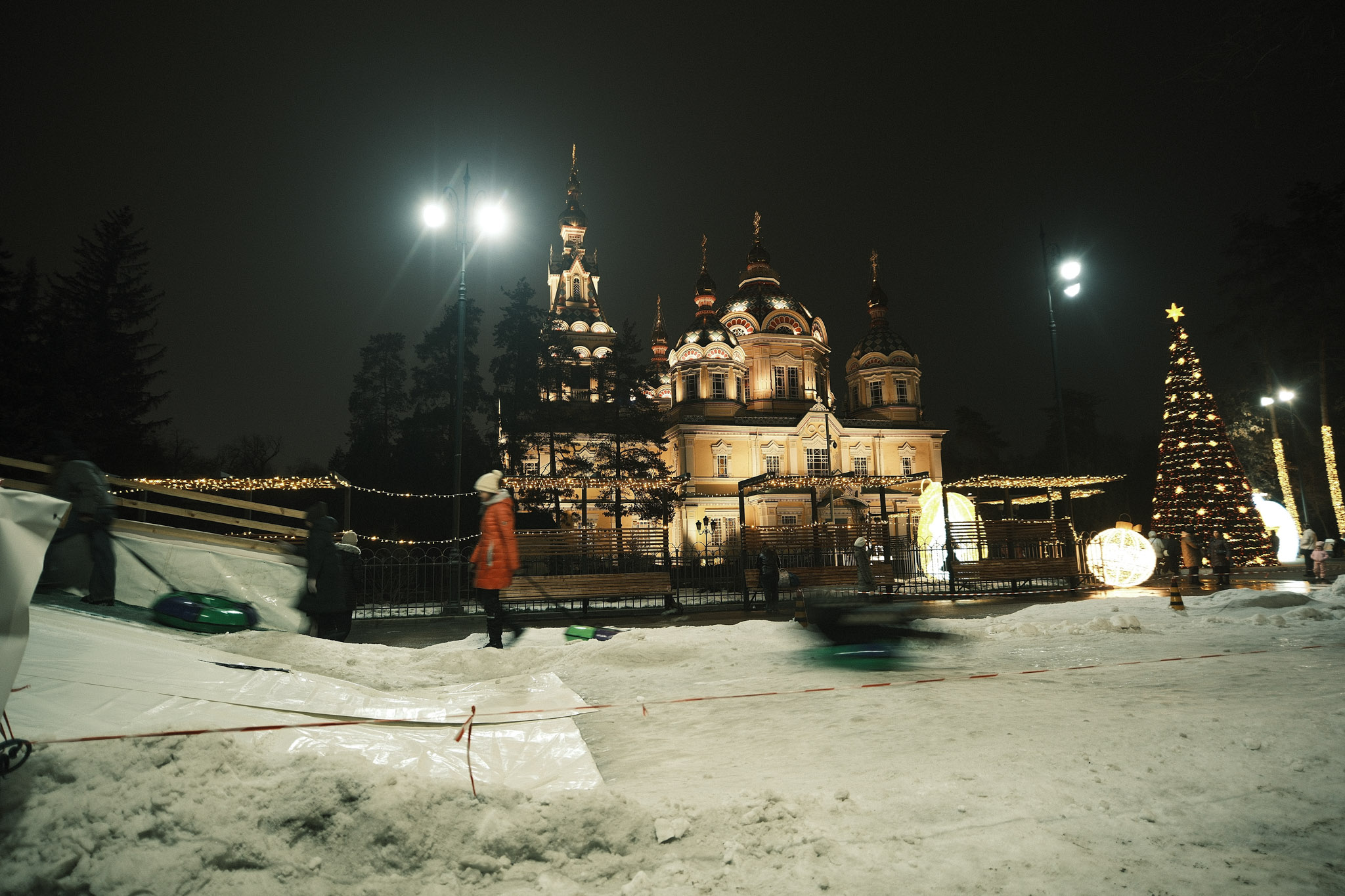
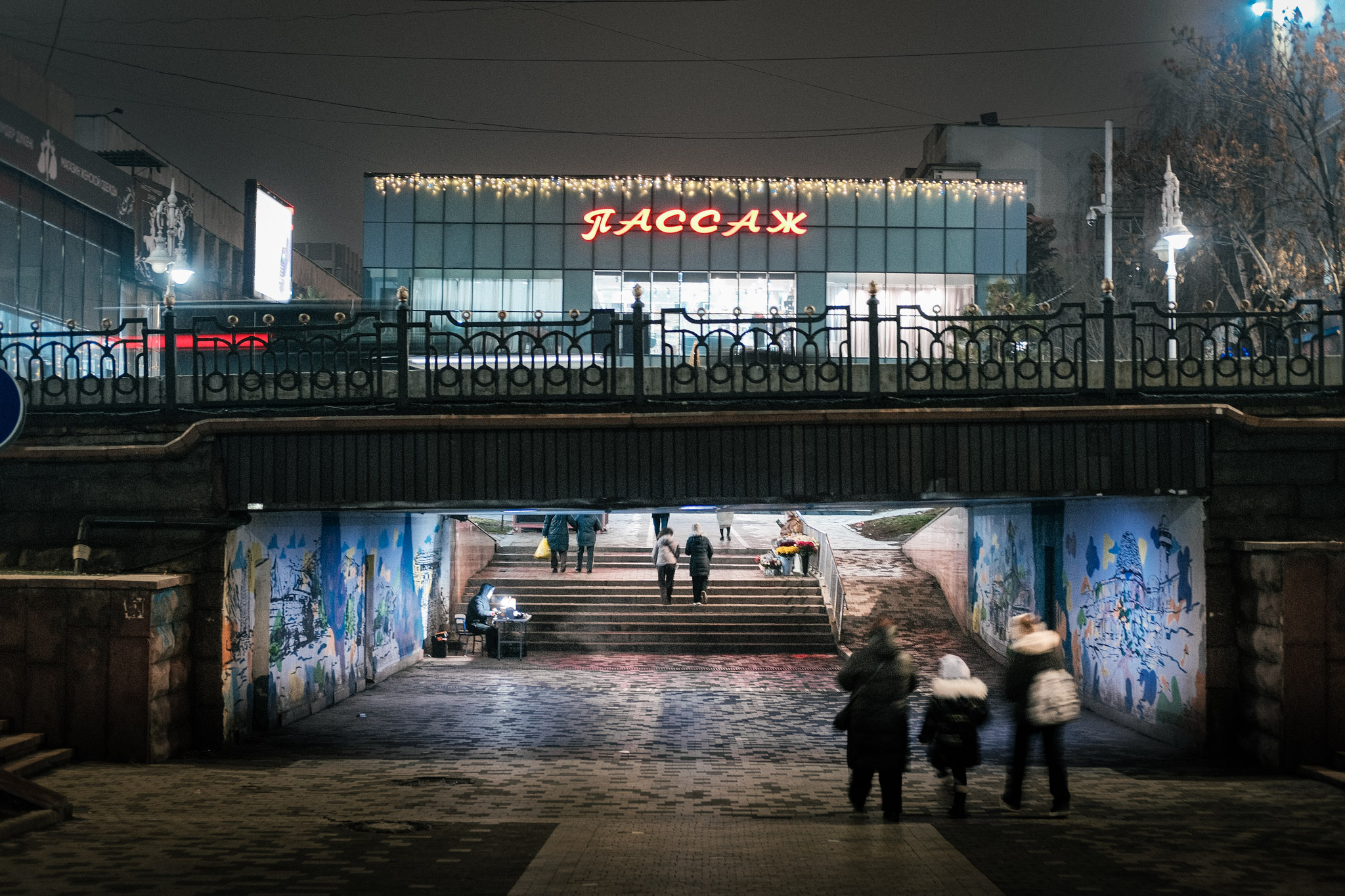
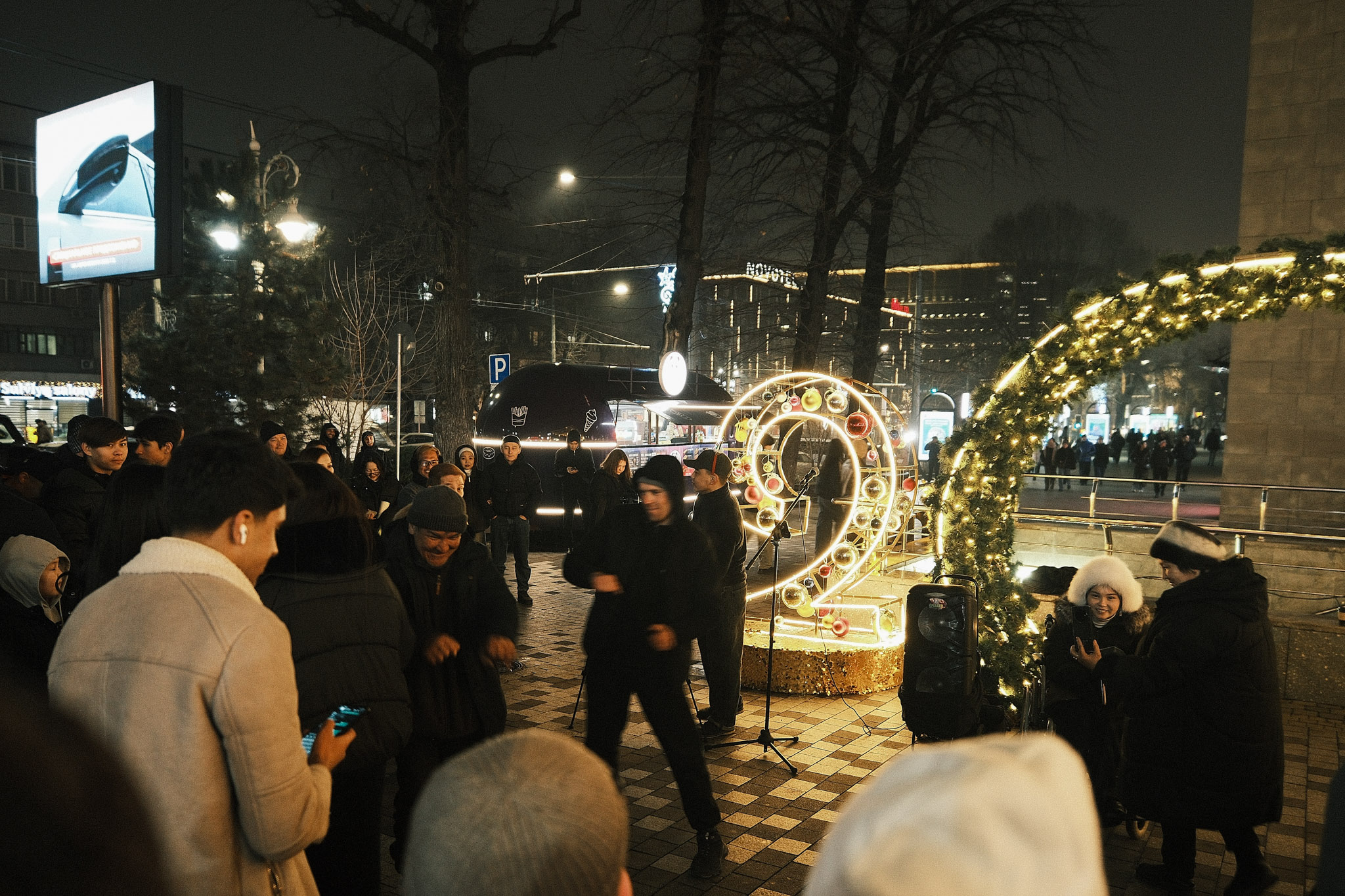
Most of the buildings were lit up at night, which changed things considerably. Old prefab Soviet blocks looked way more charming than they are. The fog helped too, in a strange way. I remember standing below the Kazakhstan Hotel, just looking up at this enormous golden tower dissolving into the fog above me. It felt almost unreal.
drag
Green Bazaar
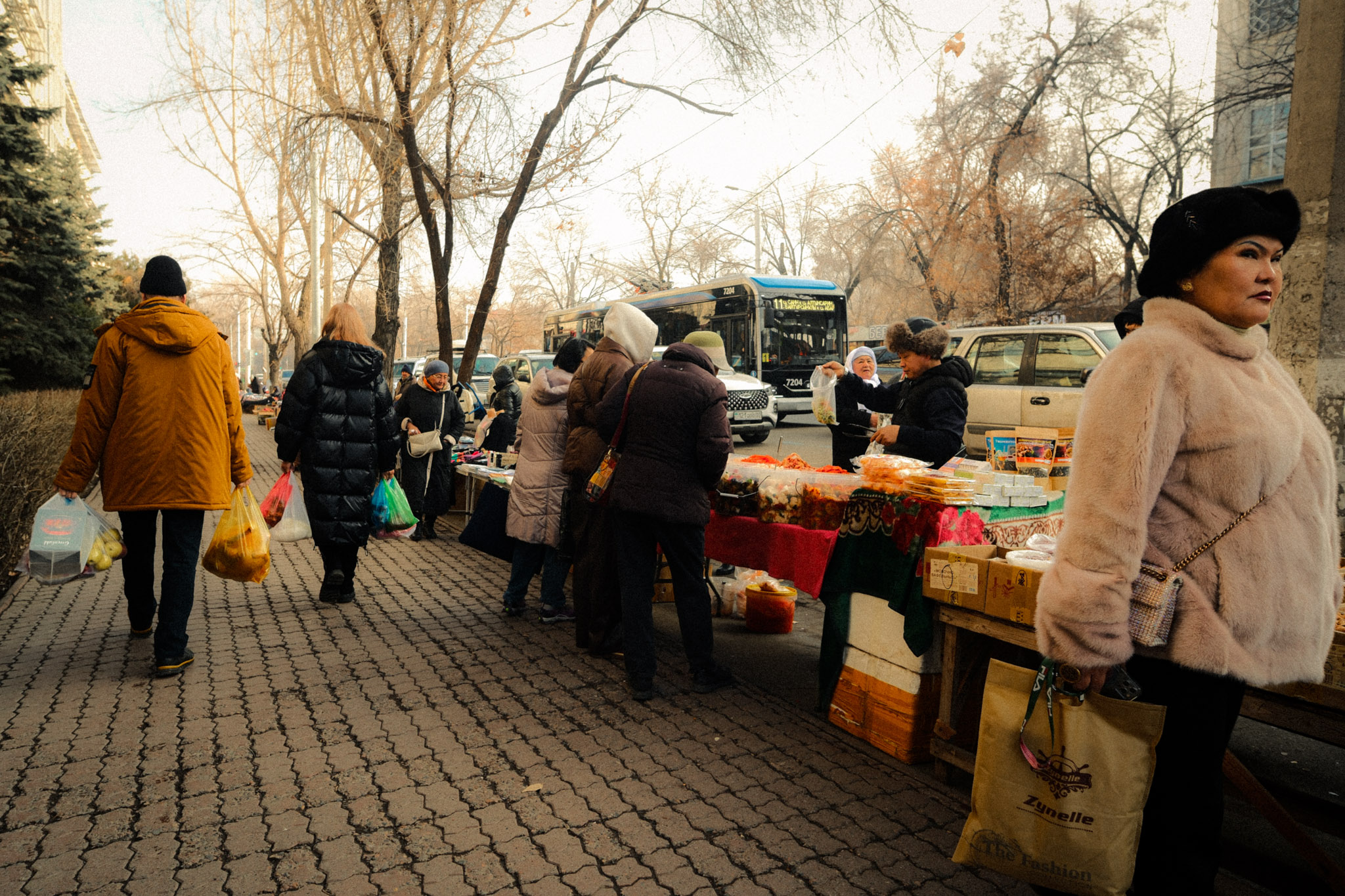
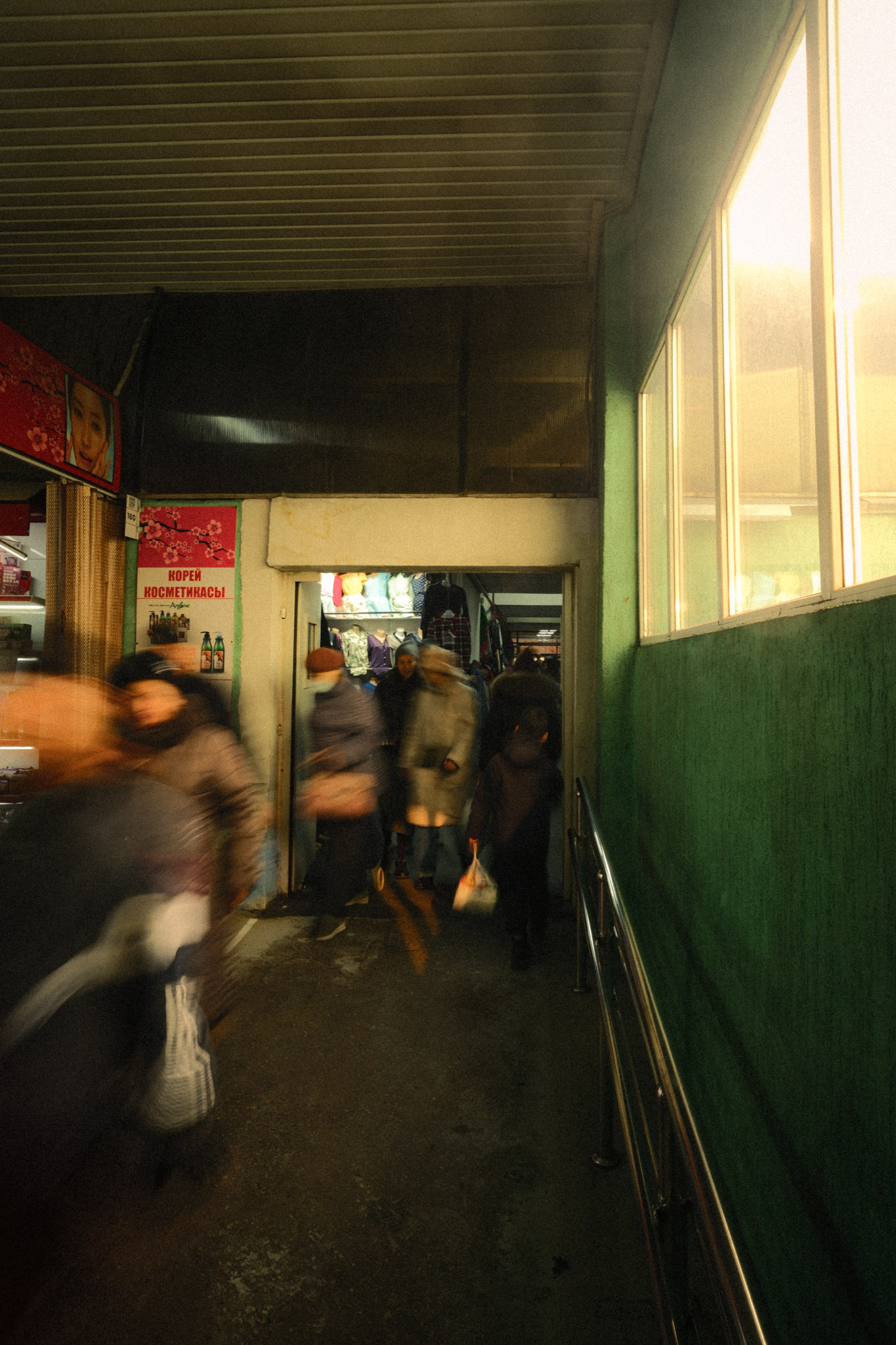
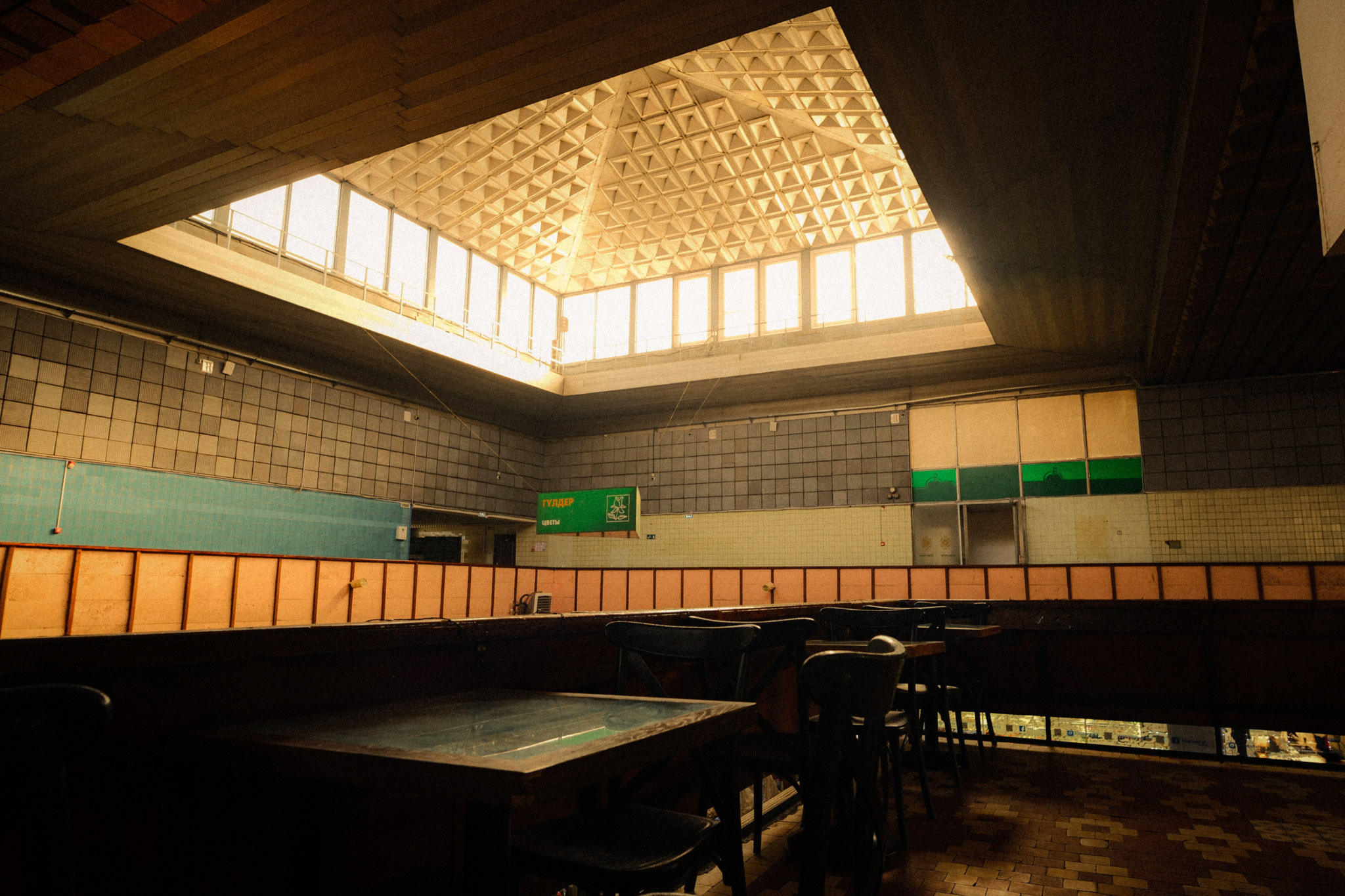
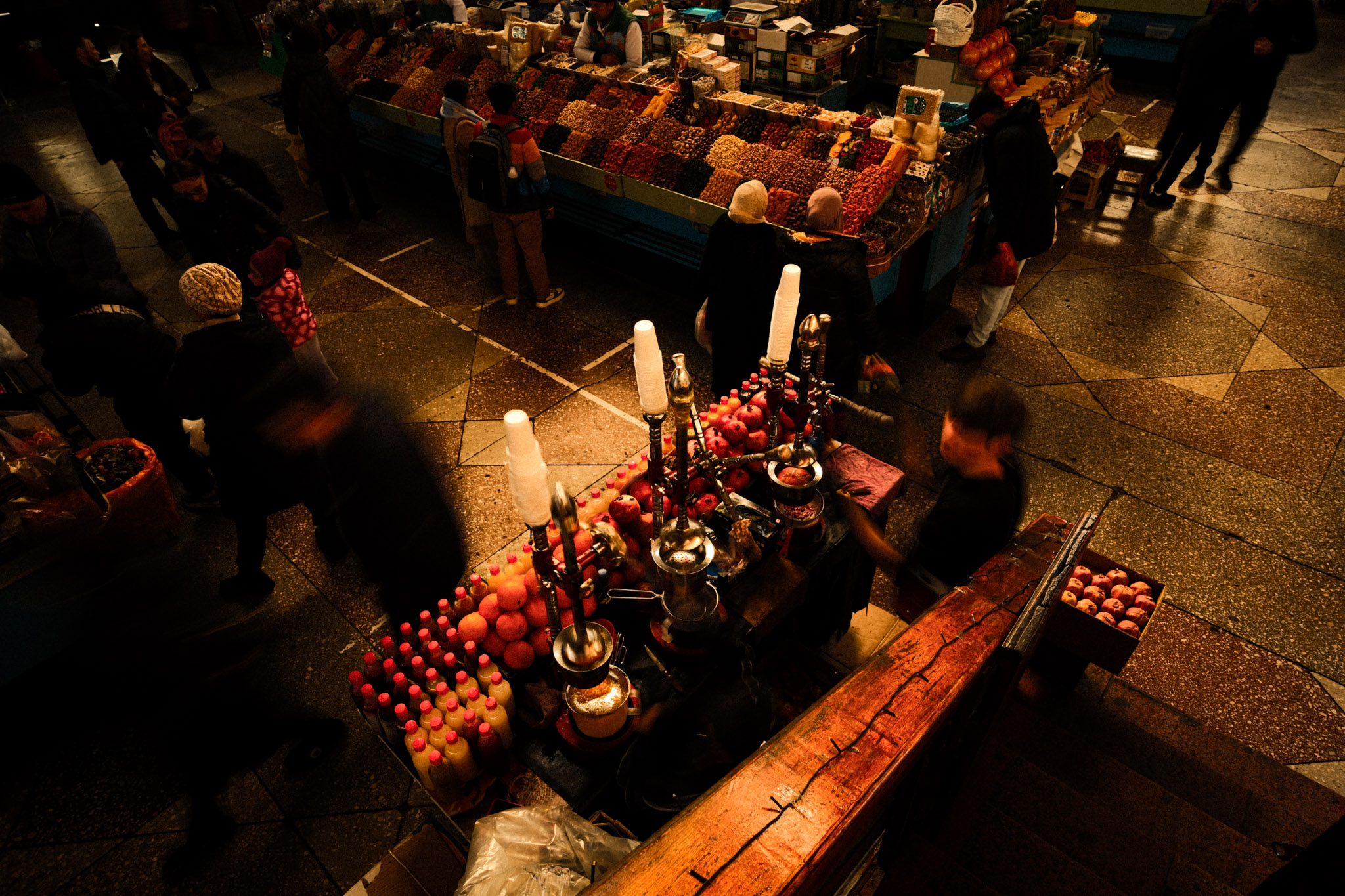
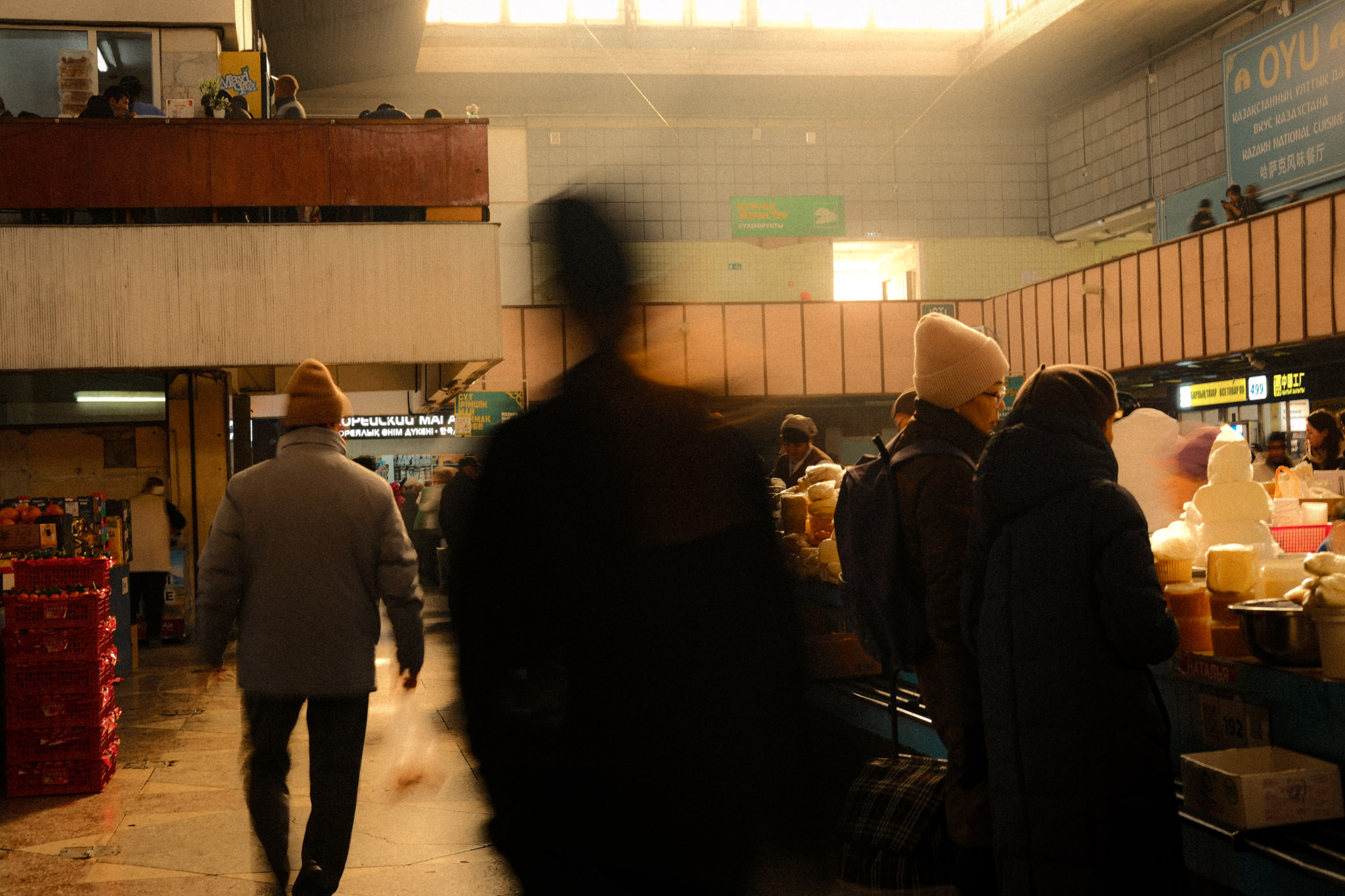
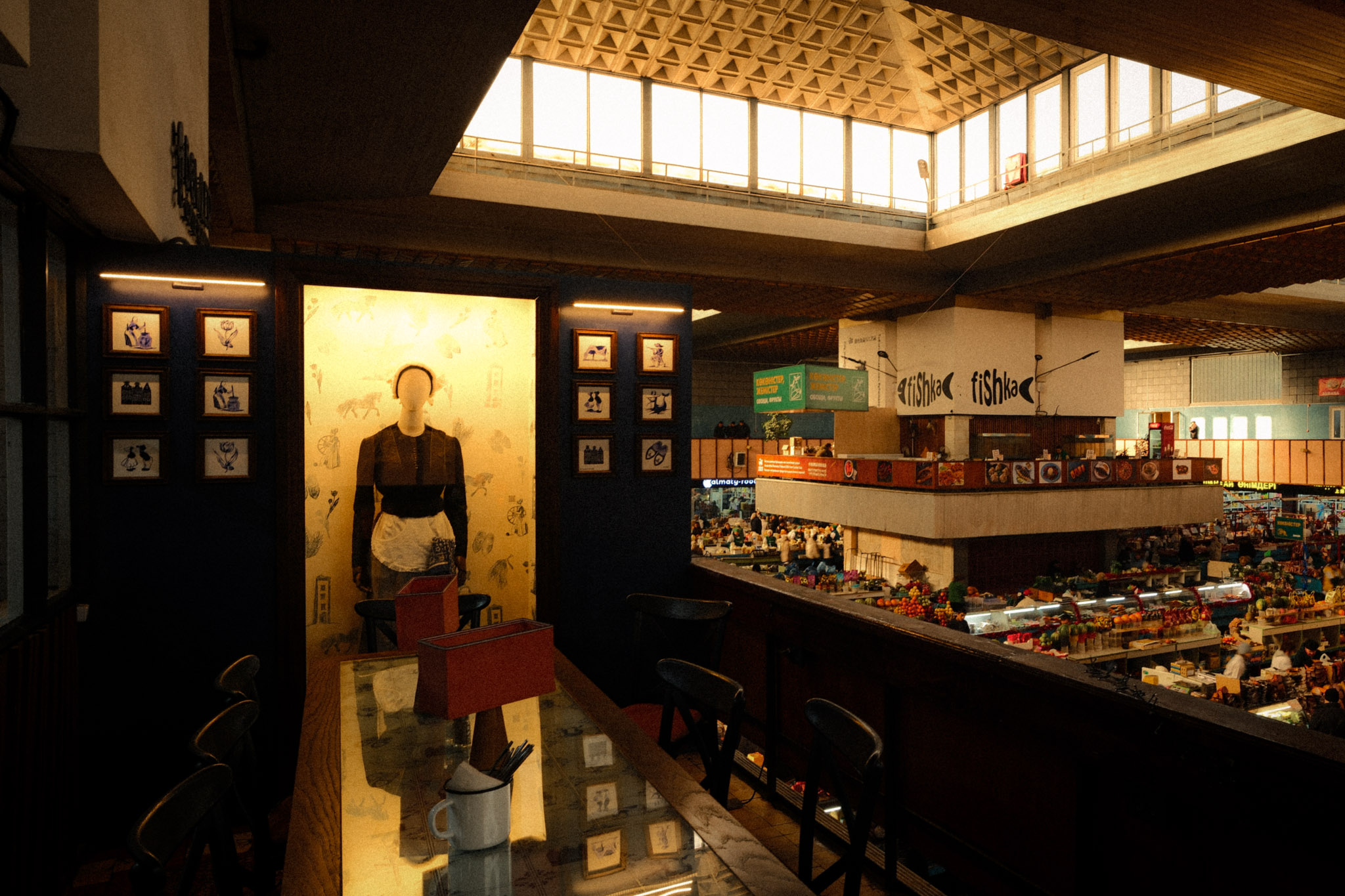
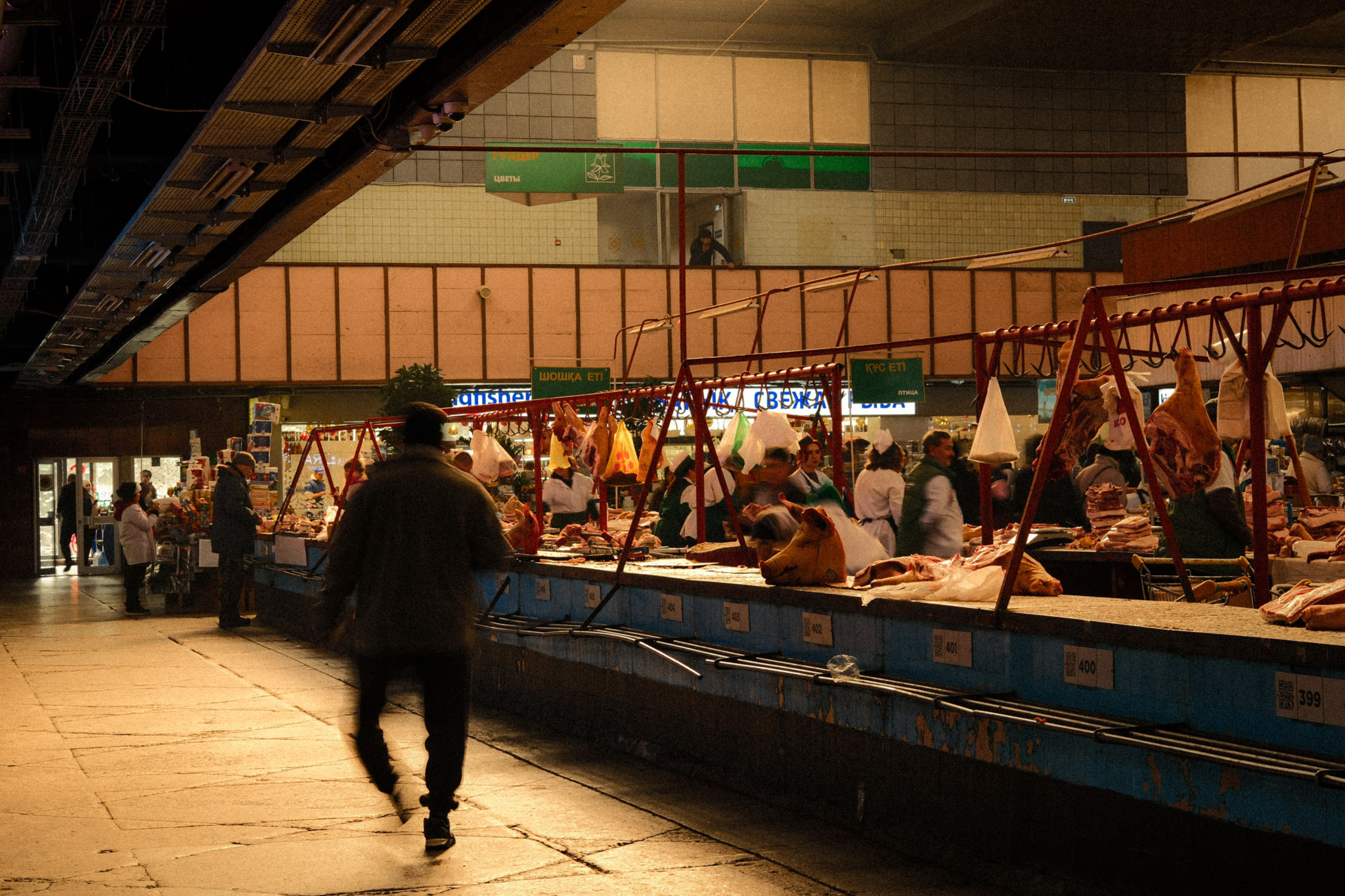
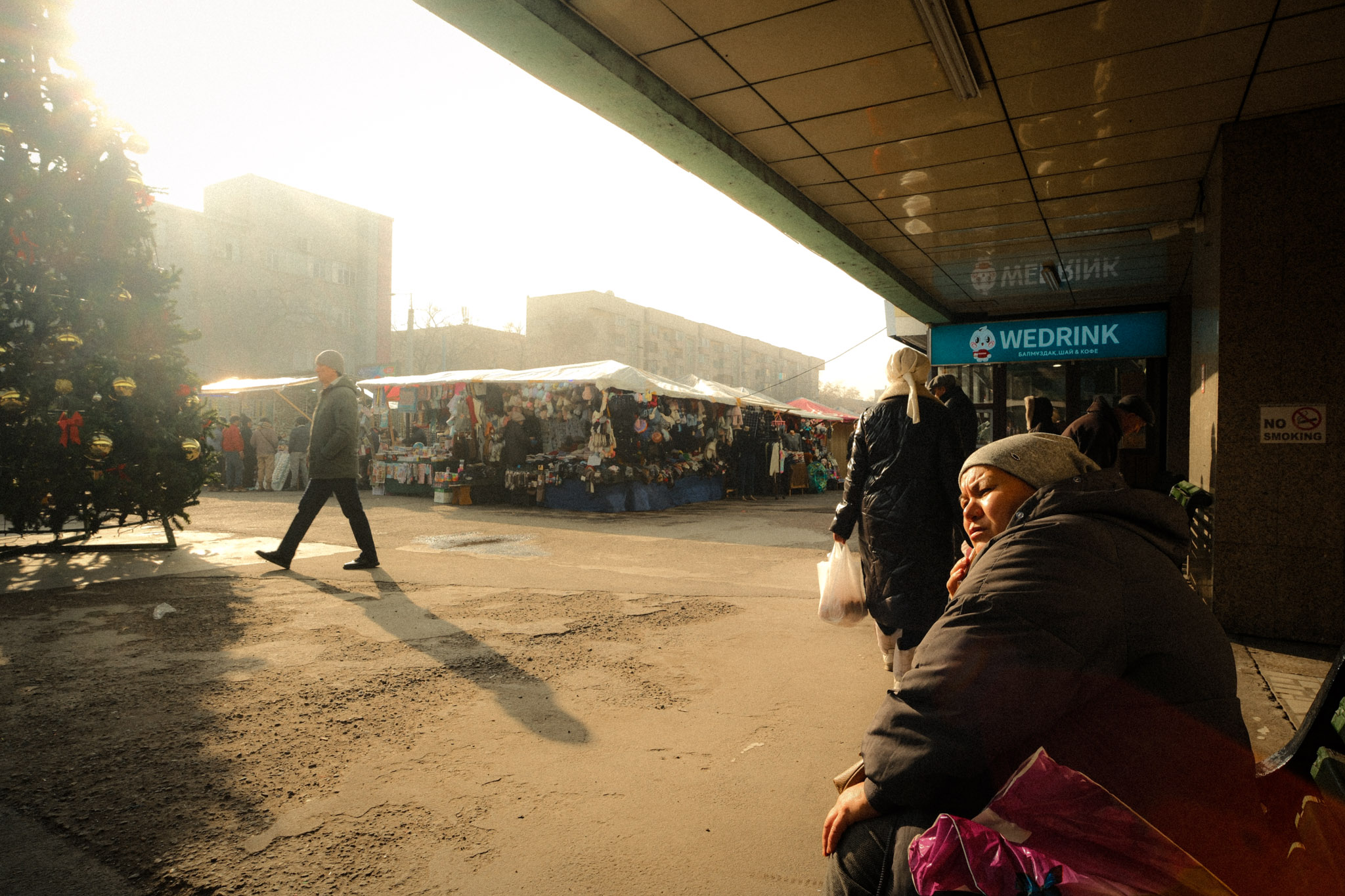
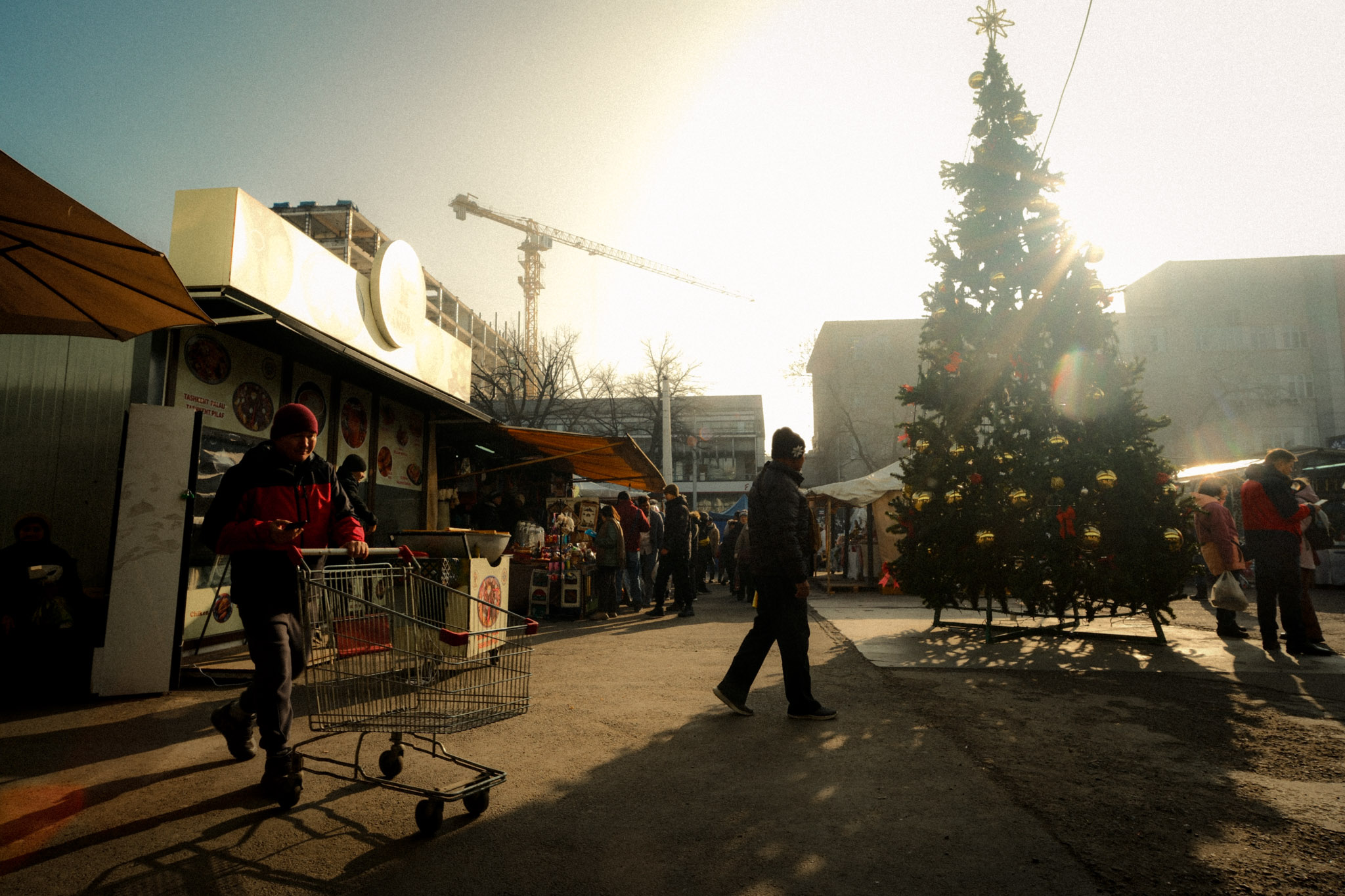
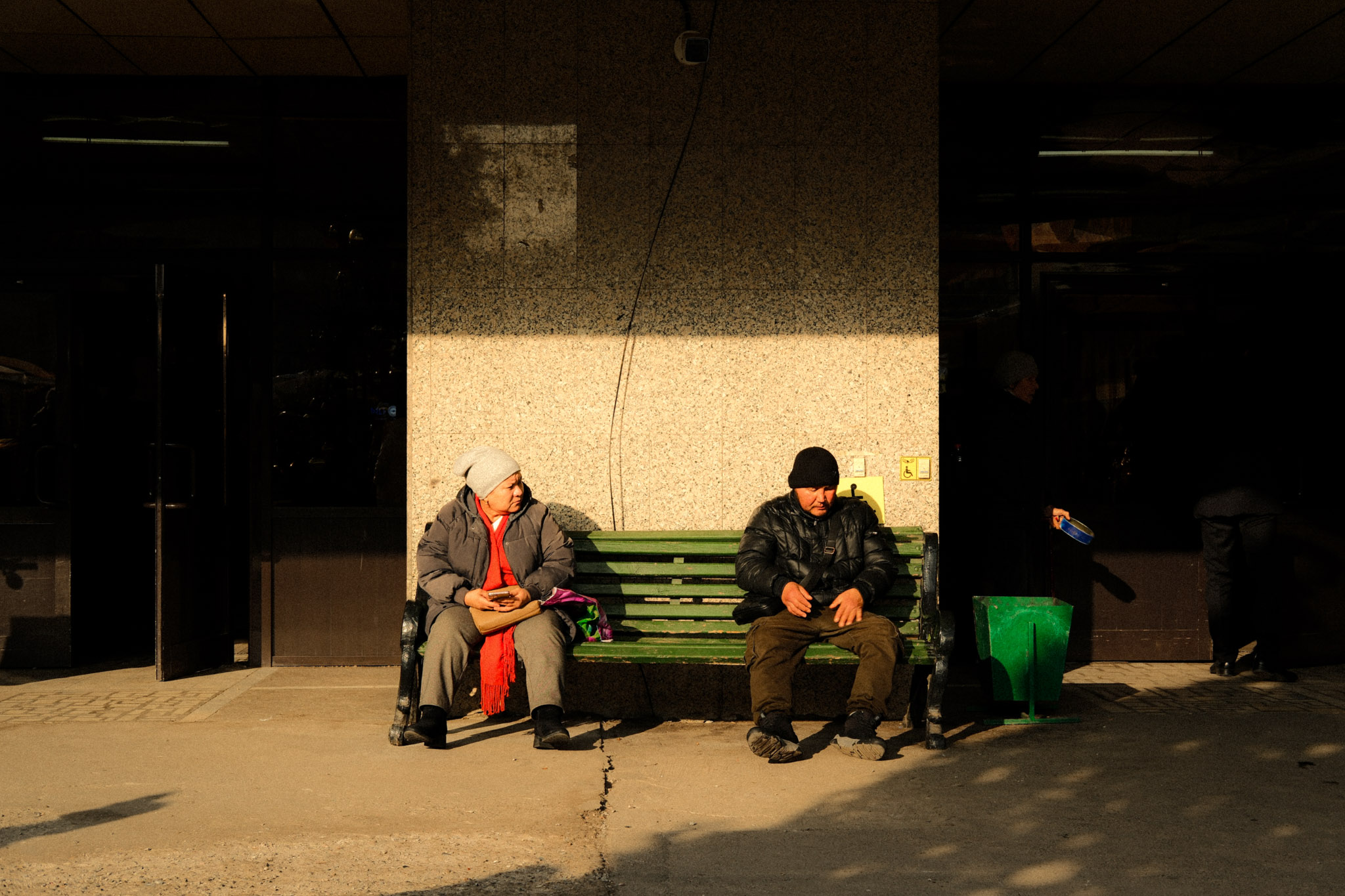
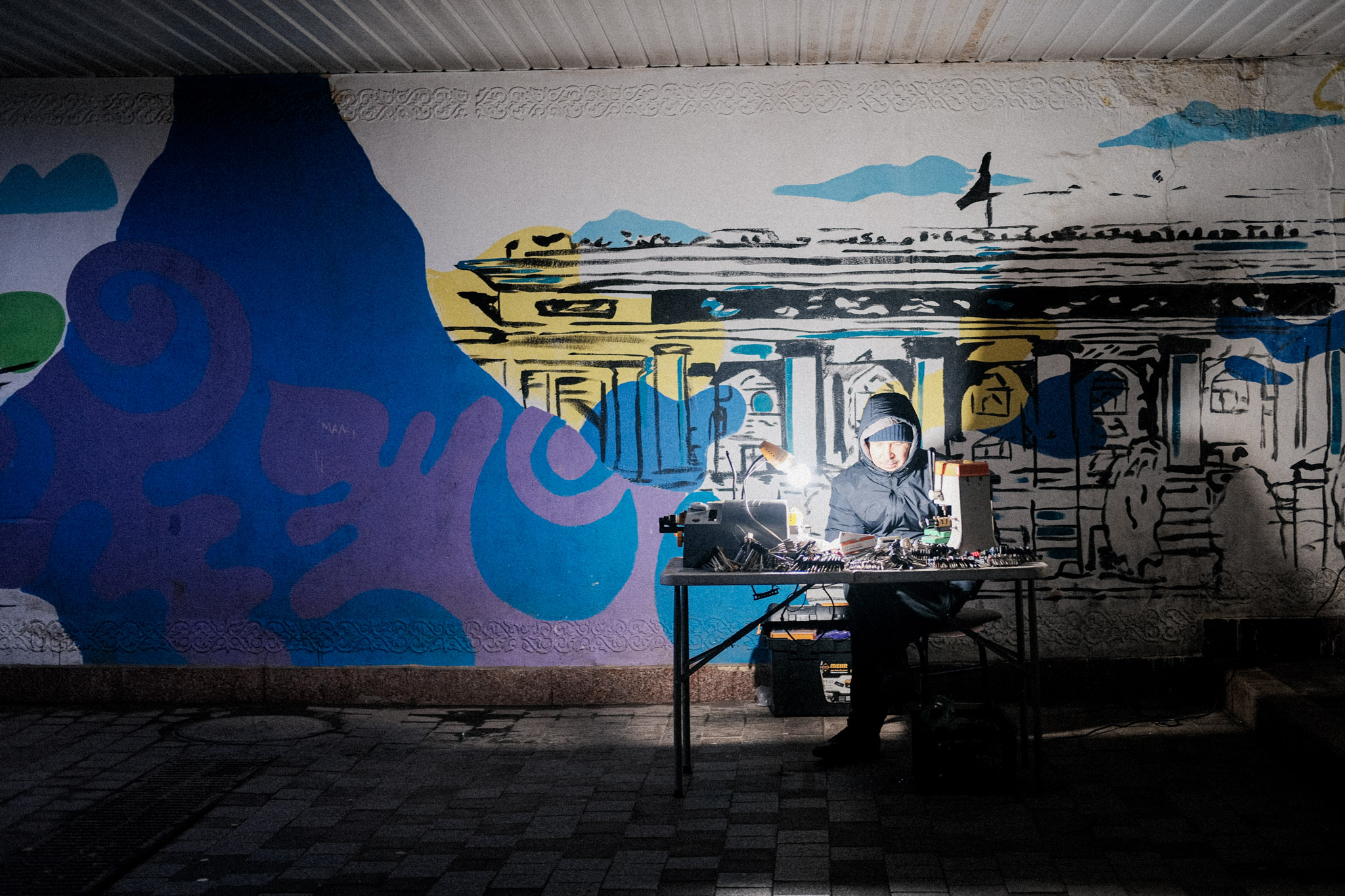
Out of all places, Green Bazaar was one of my favourites. Imagine pressing a pause button in a bazaar. It’s a place full of life. A swirl of chaos gets an observer lost in the dance of things. Bazaars define Eastern life, and experiencing it in a Soviet modernist shell was an experience on its own. The pavilion itself was a heavy, angular, unapologetic Soviet monument. And yet light flooded in through the pyramidal ceiling’s wide windows, falling on the faces of people who had probably been coming here their whole lives.
I wanted to capture the pulse of the place using a long shutter speed. I wanted to feel part of the chaos, the blurry silhouettes and hundreds of faces.
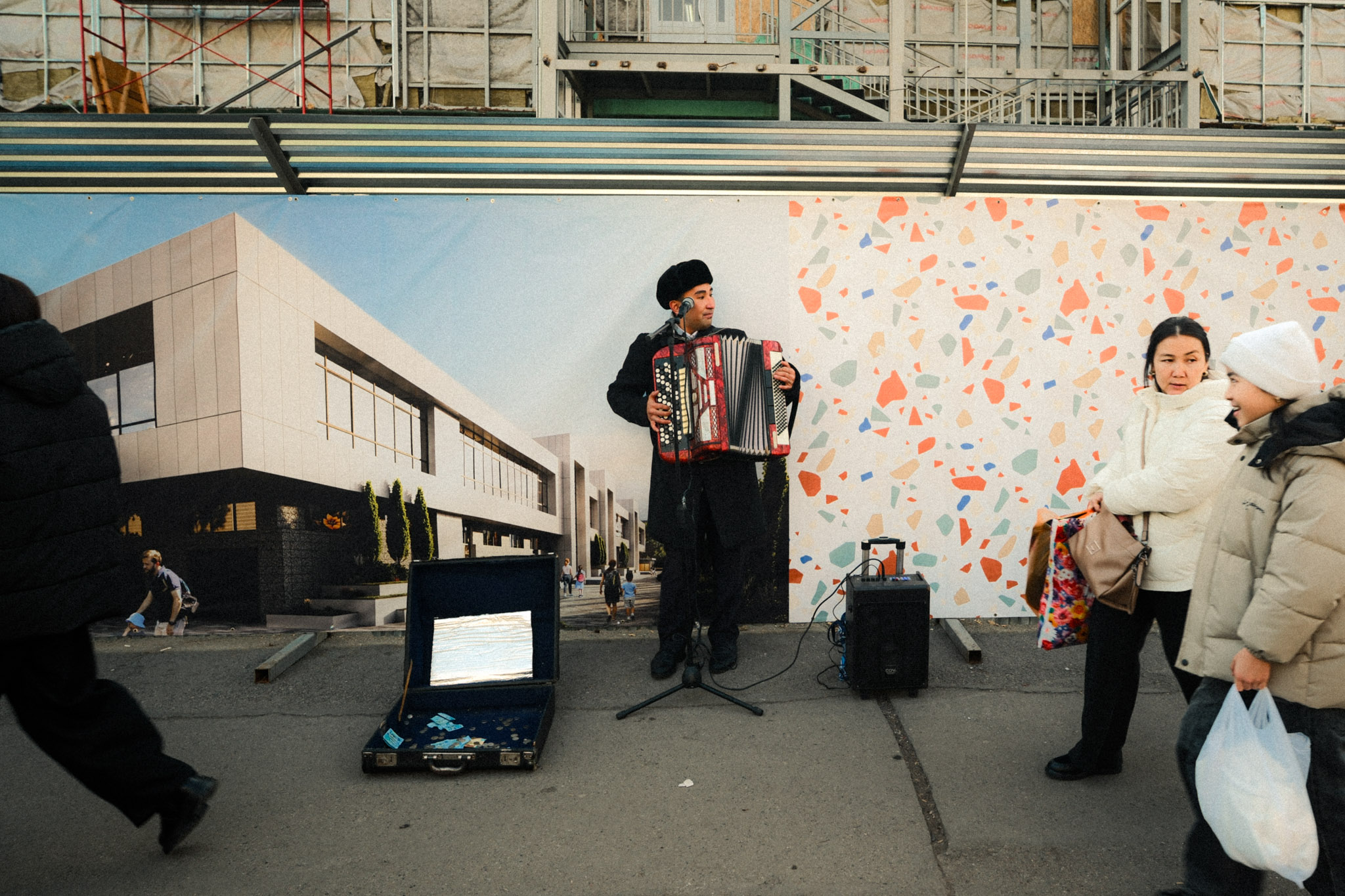
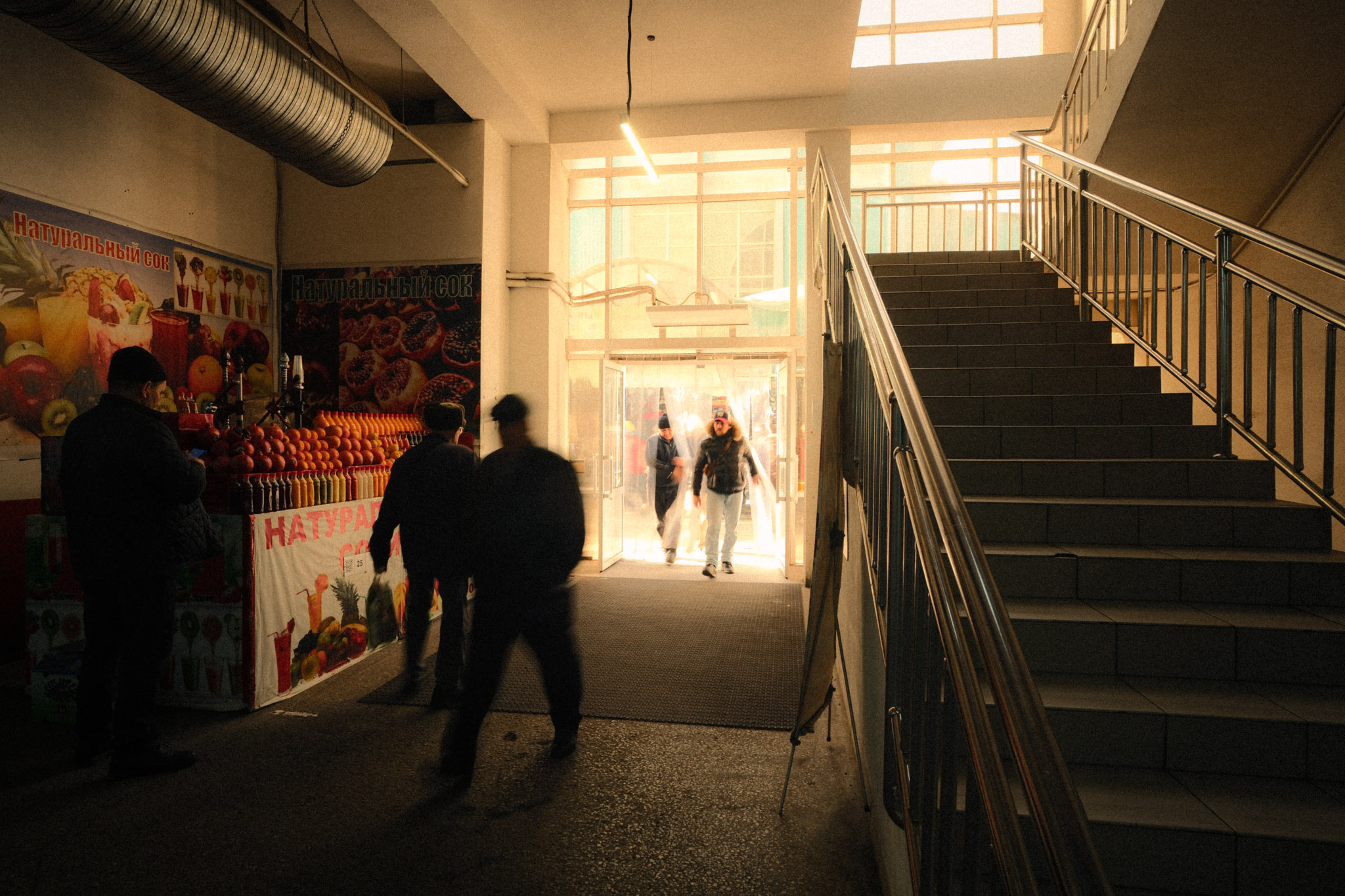
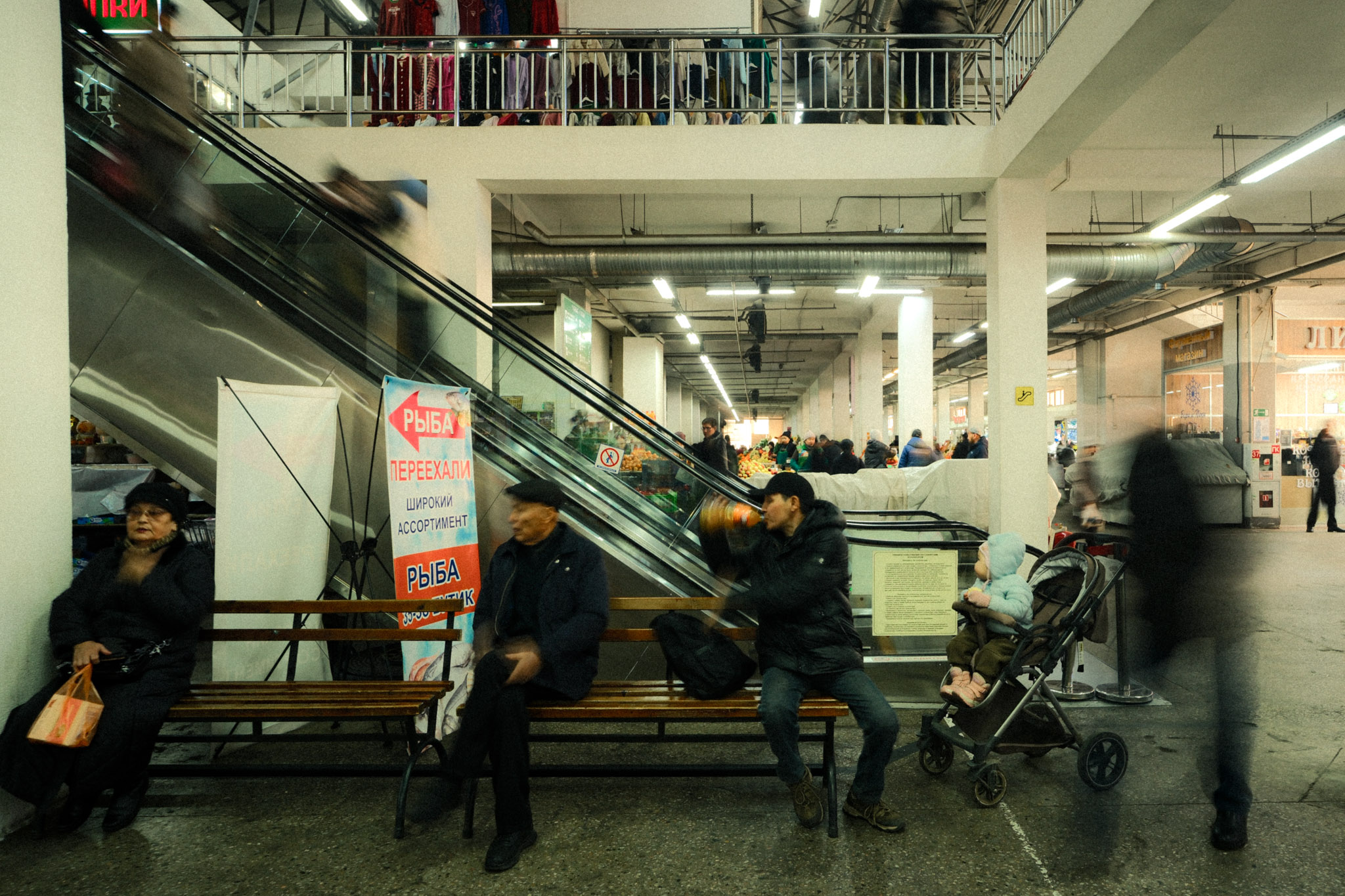
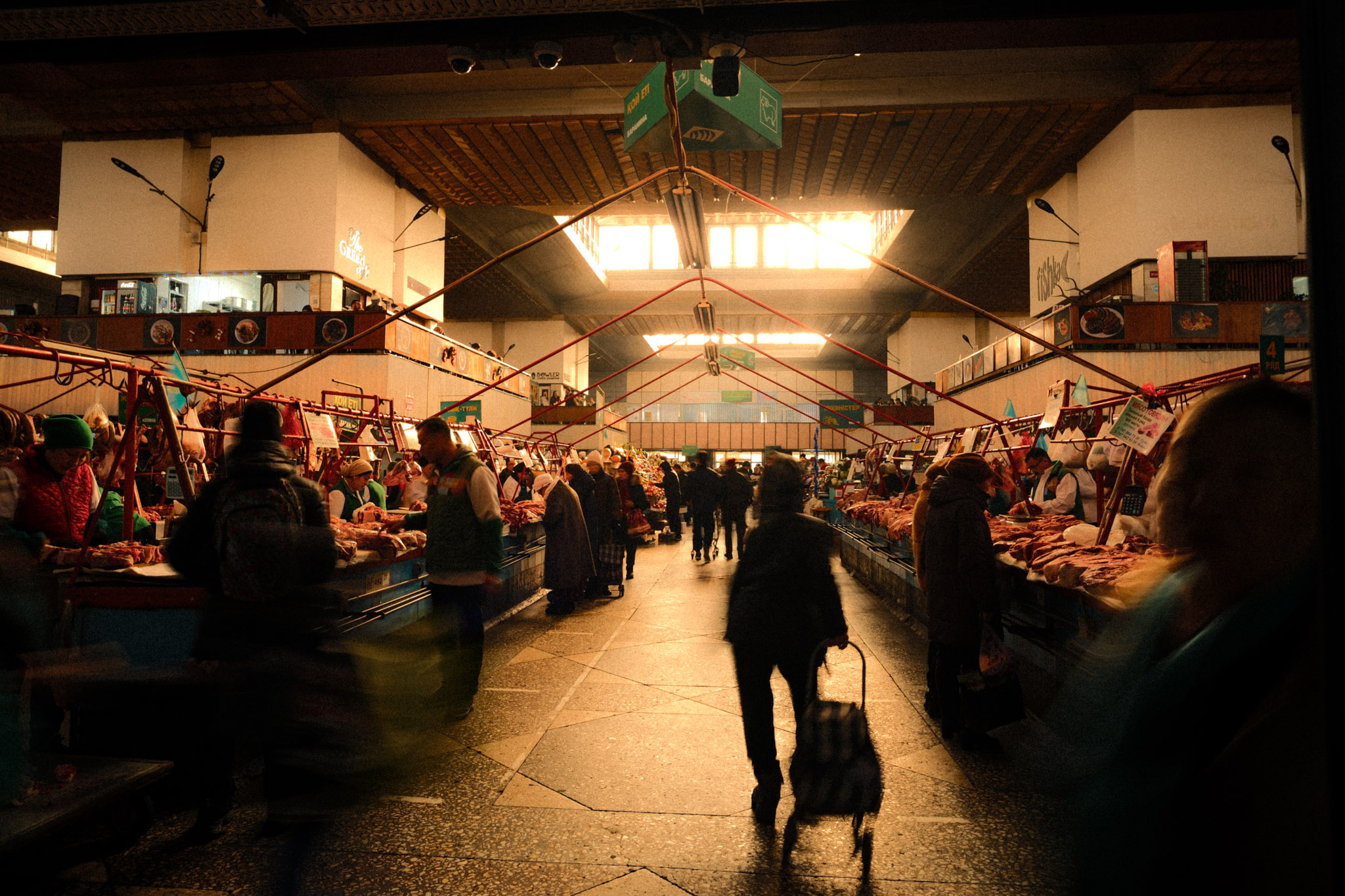
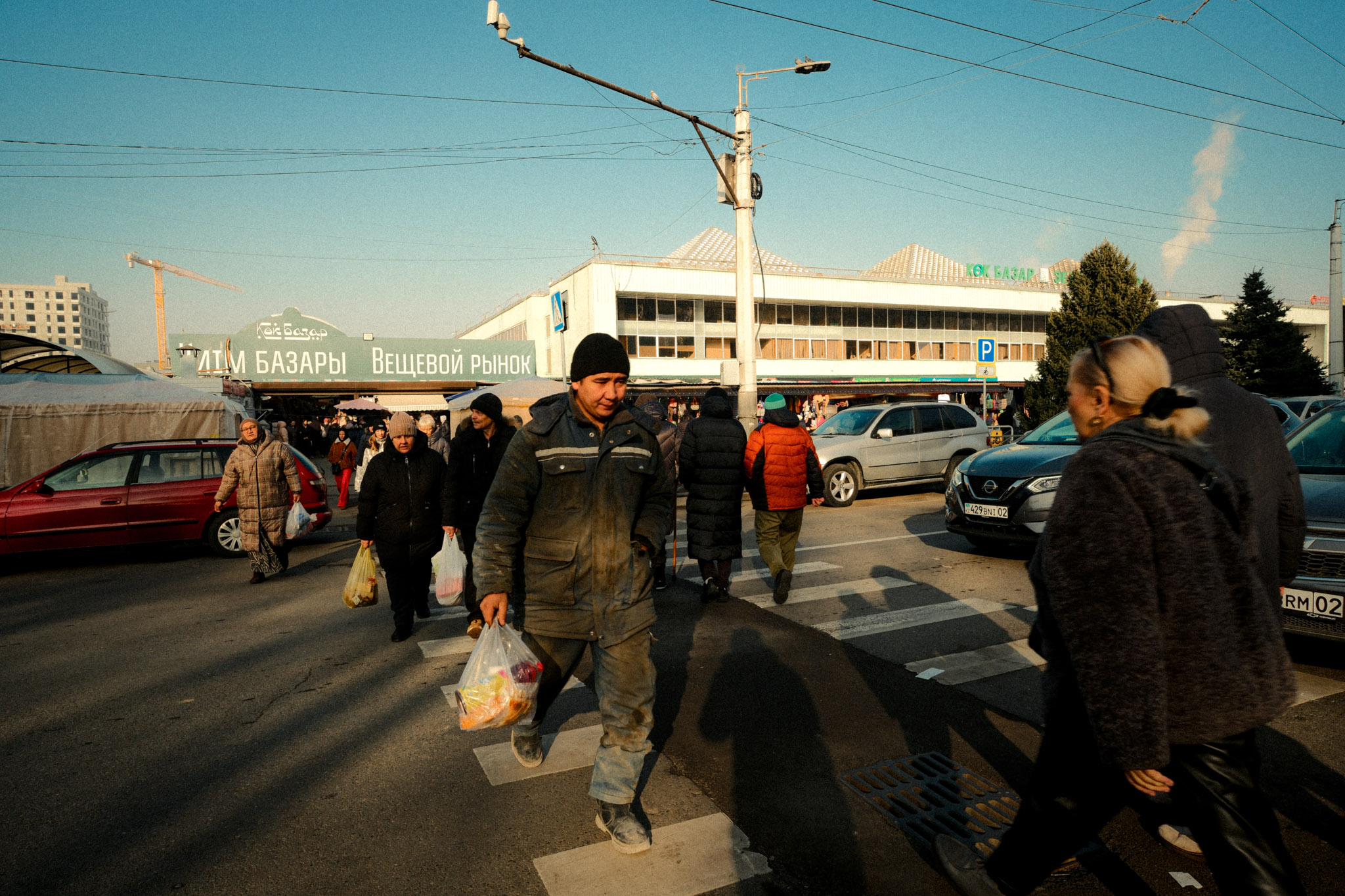
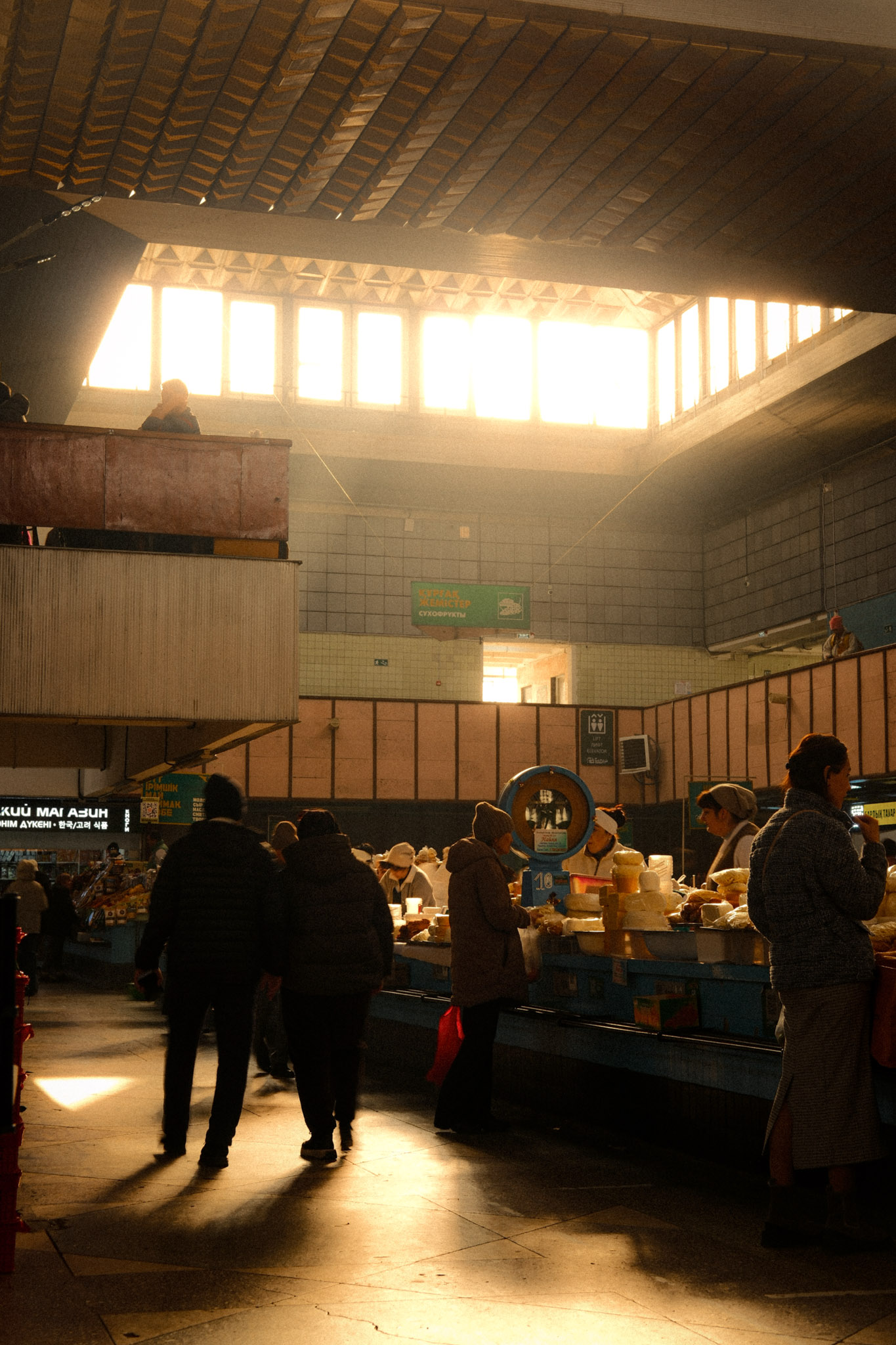
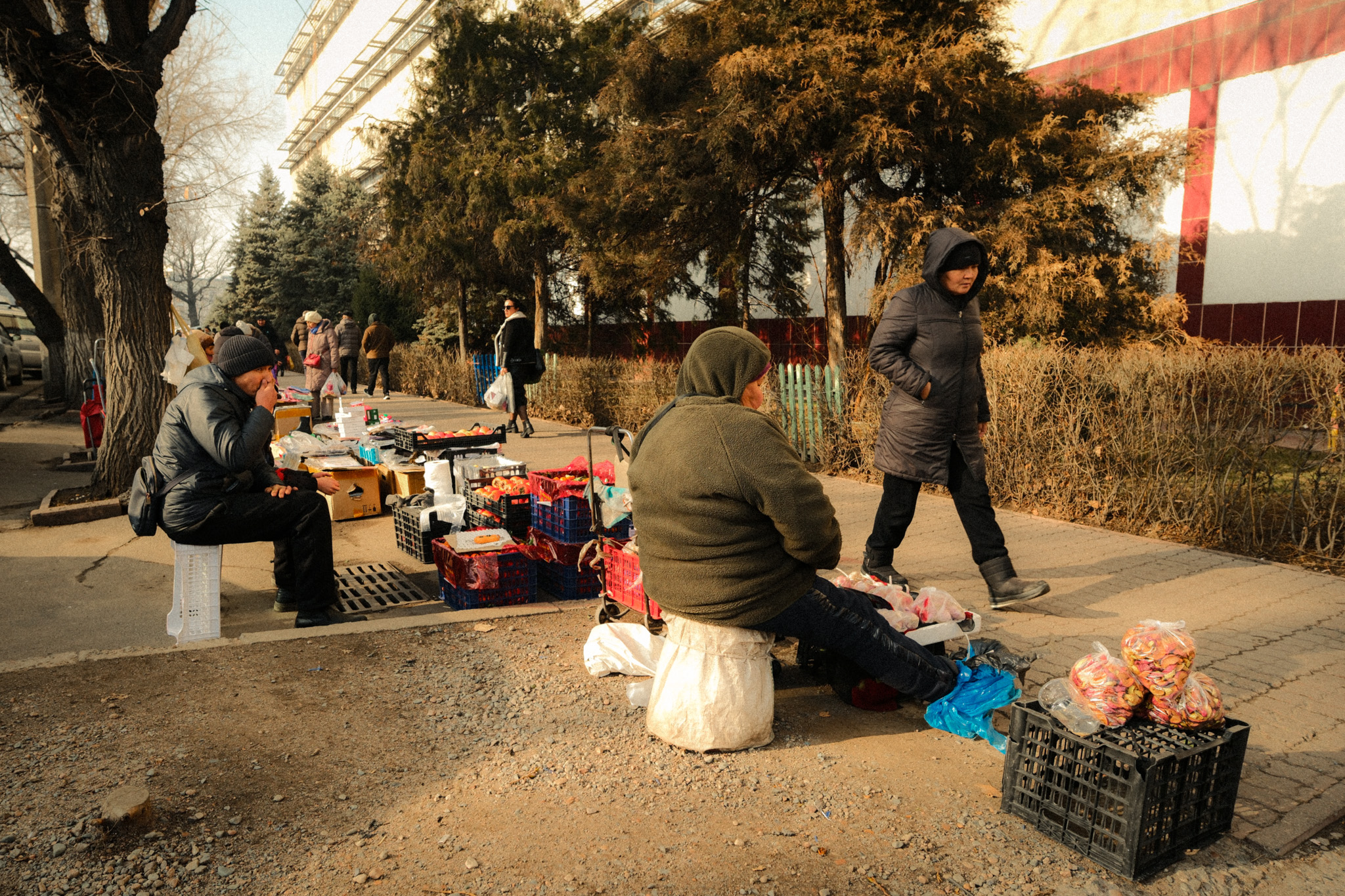
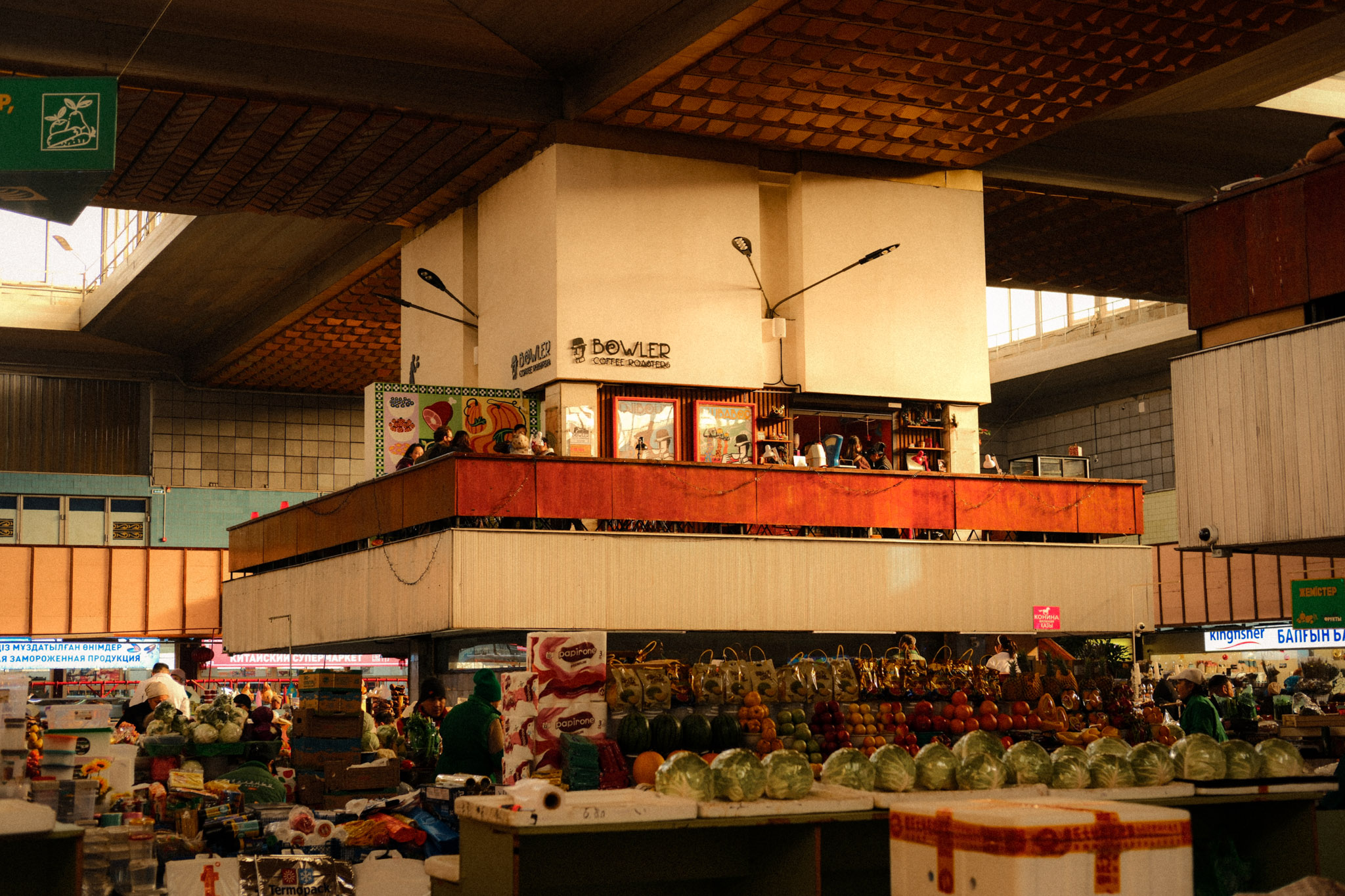
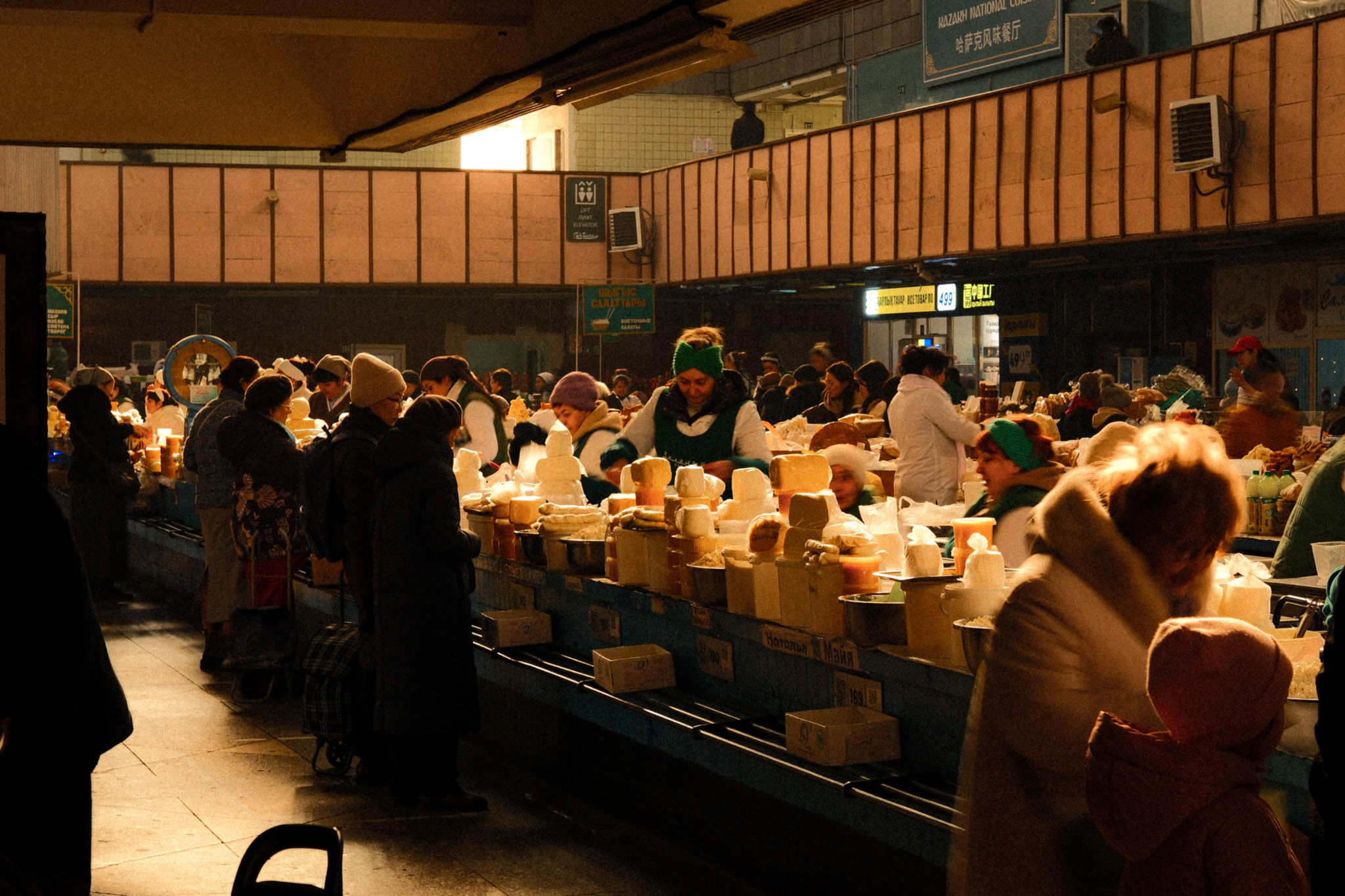
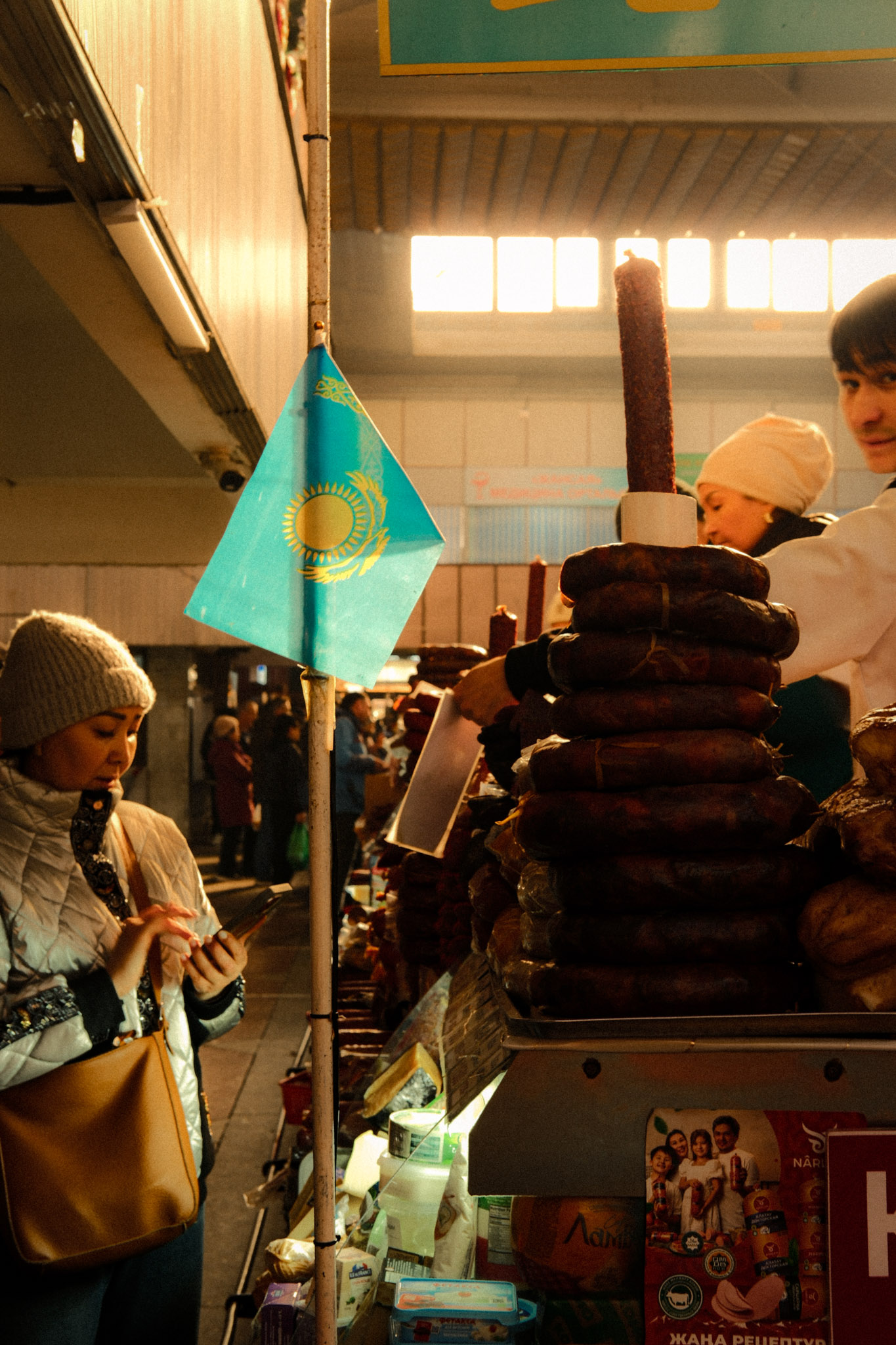
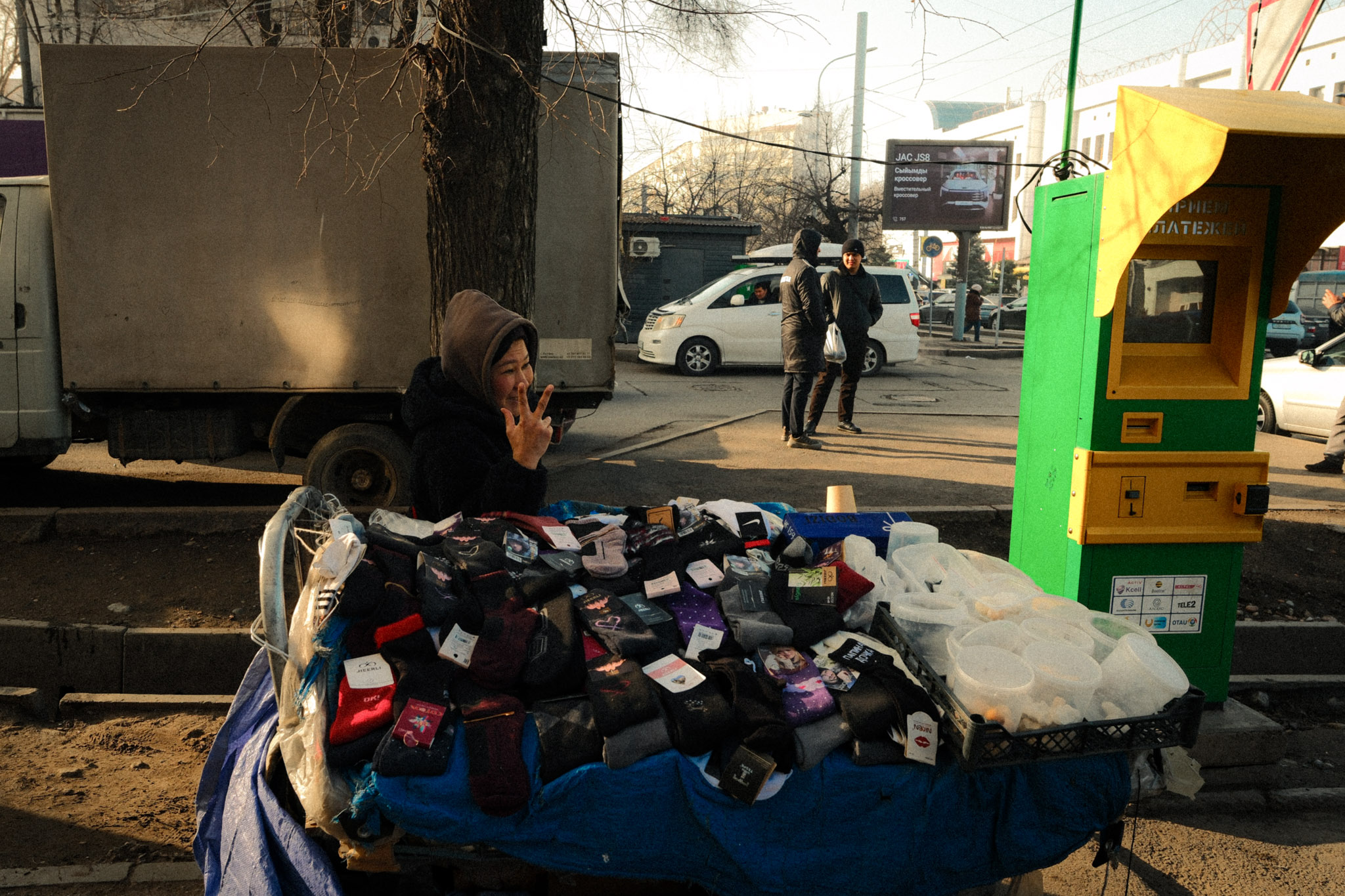
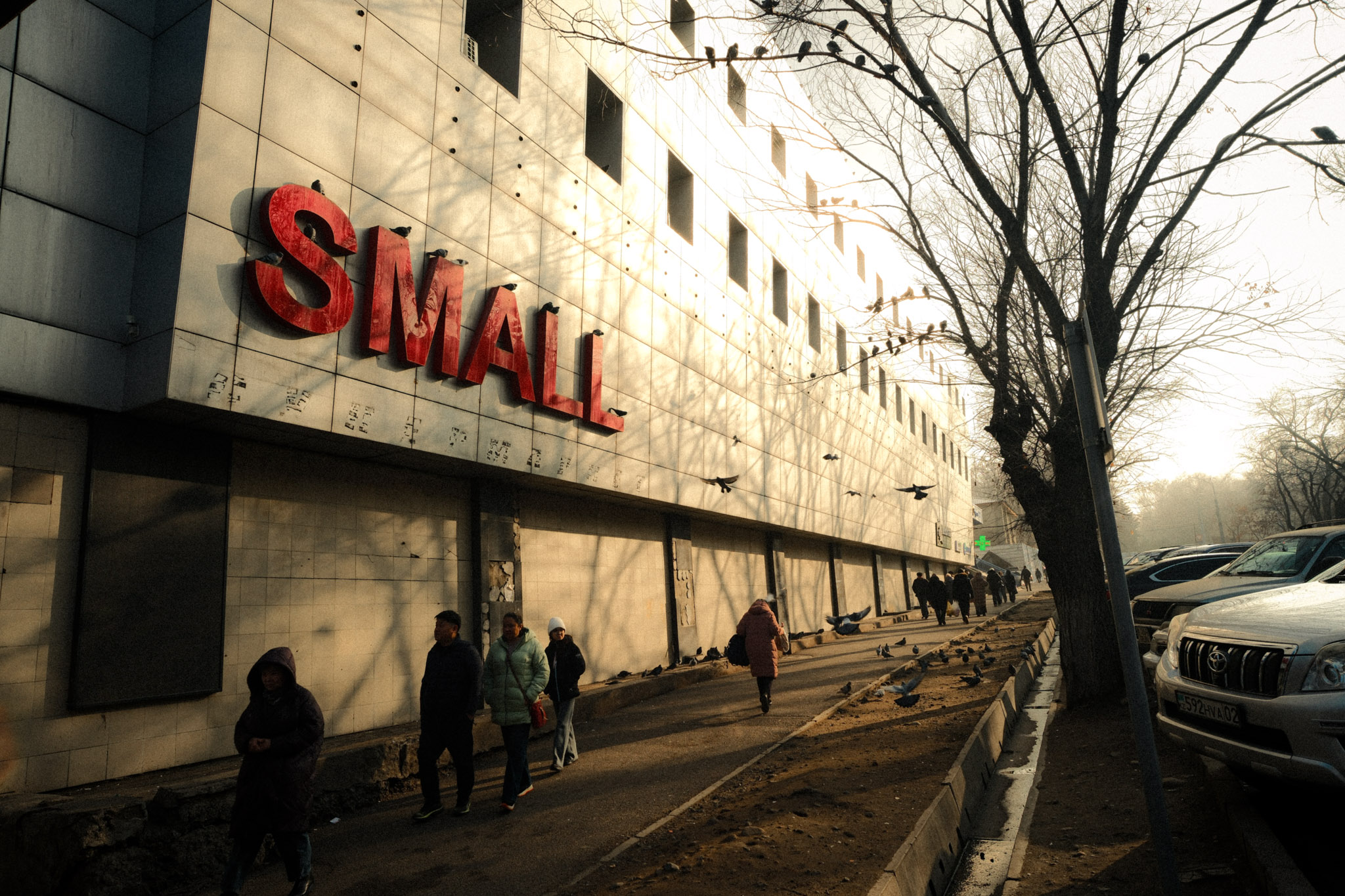
drag
The City
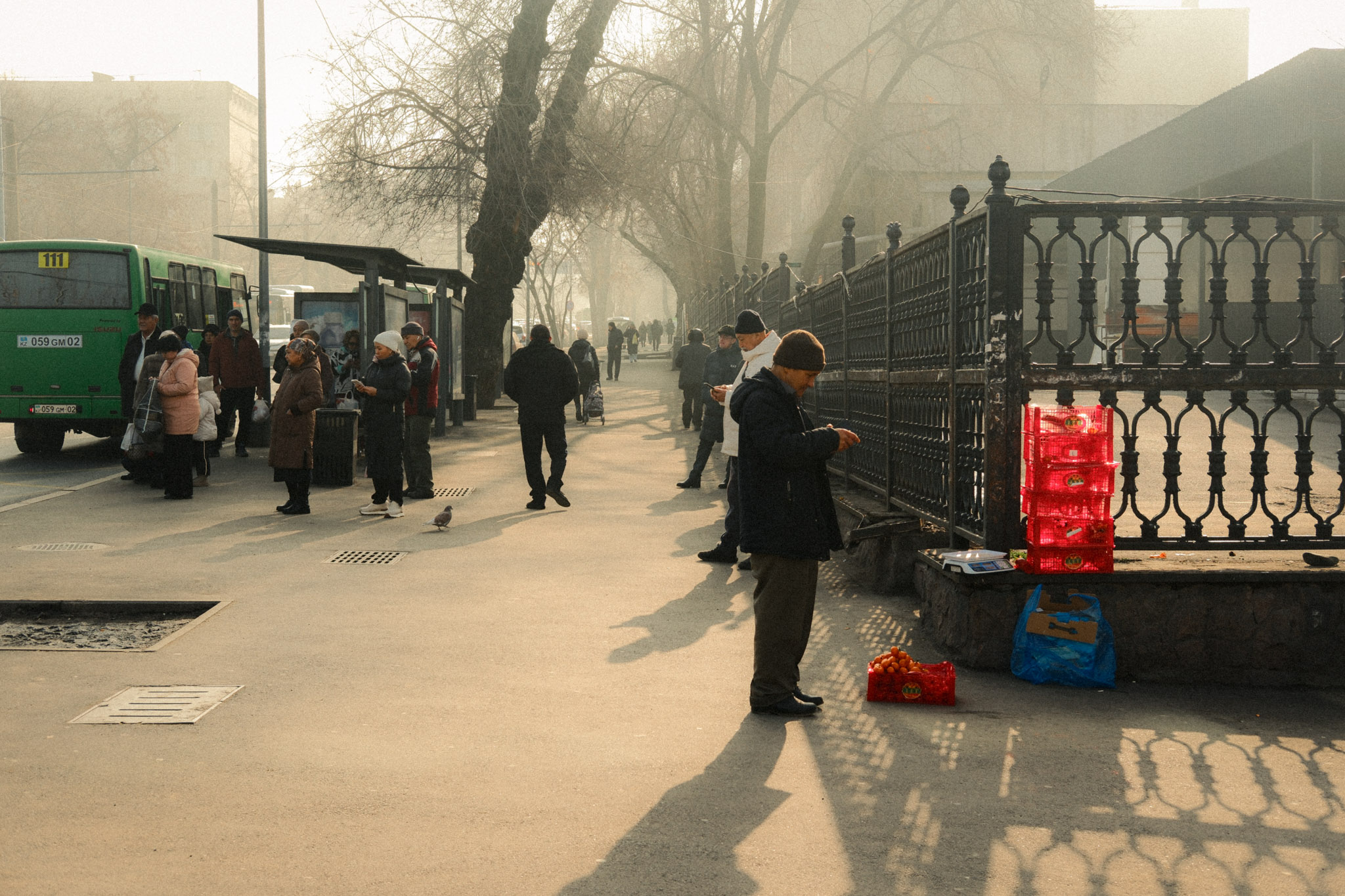
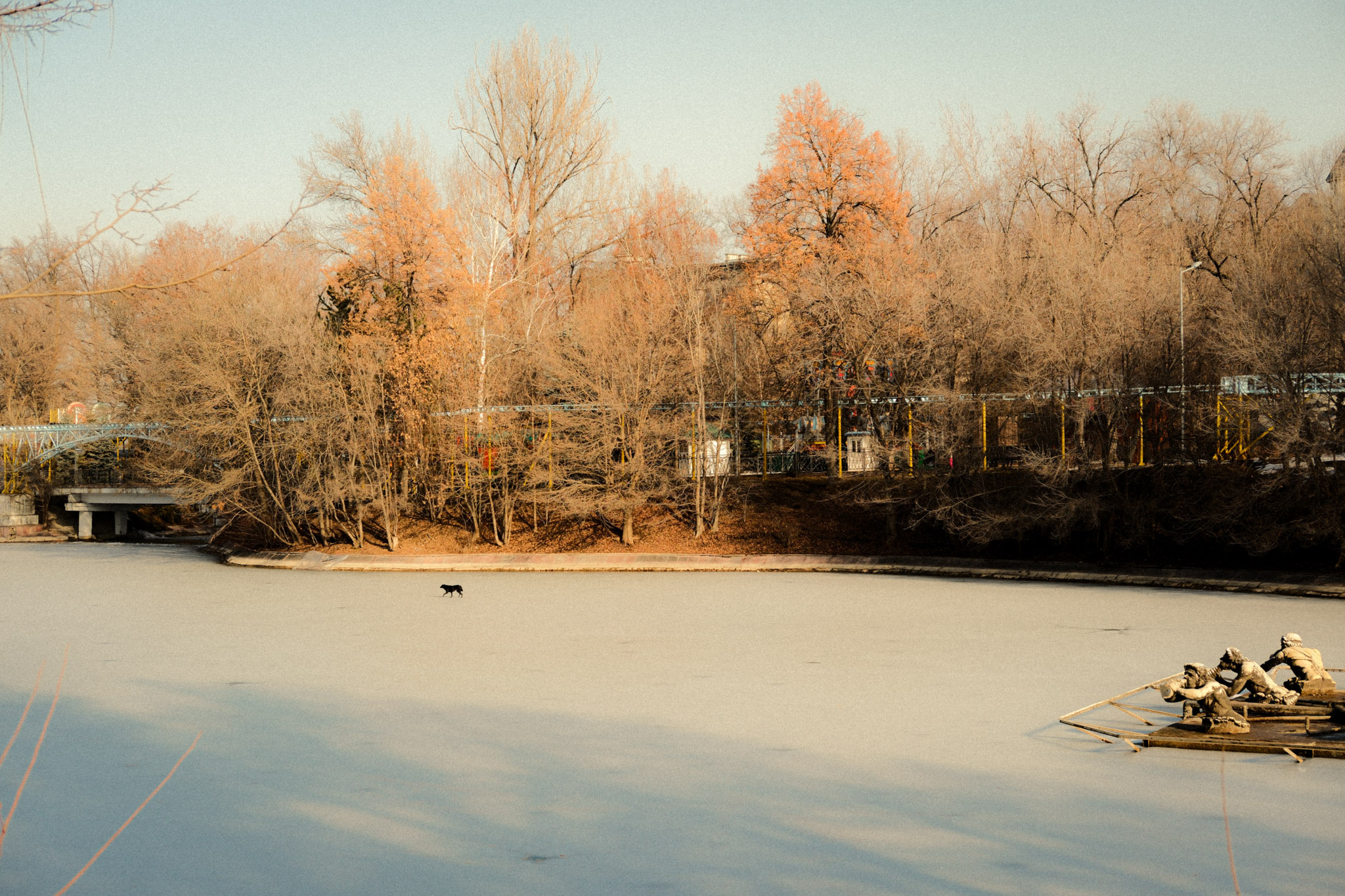
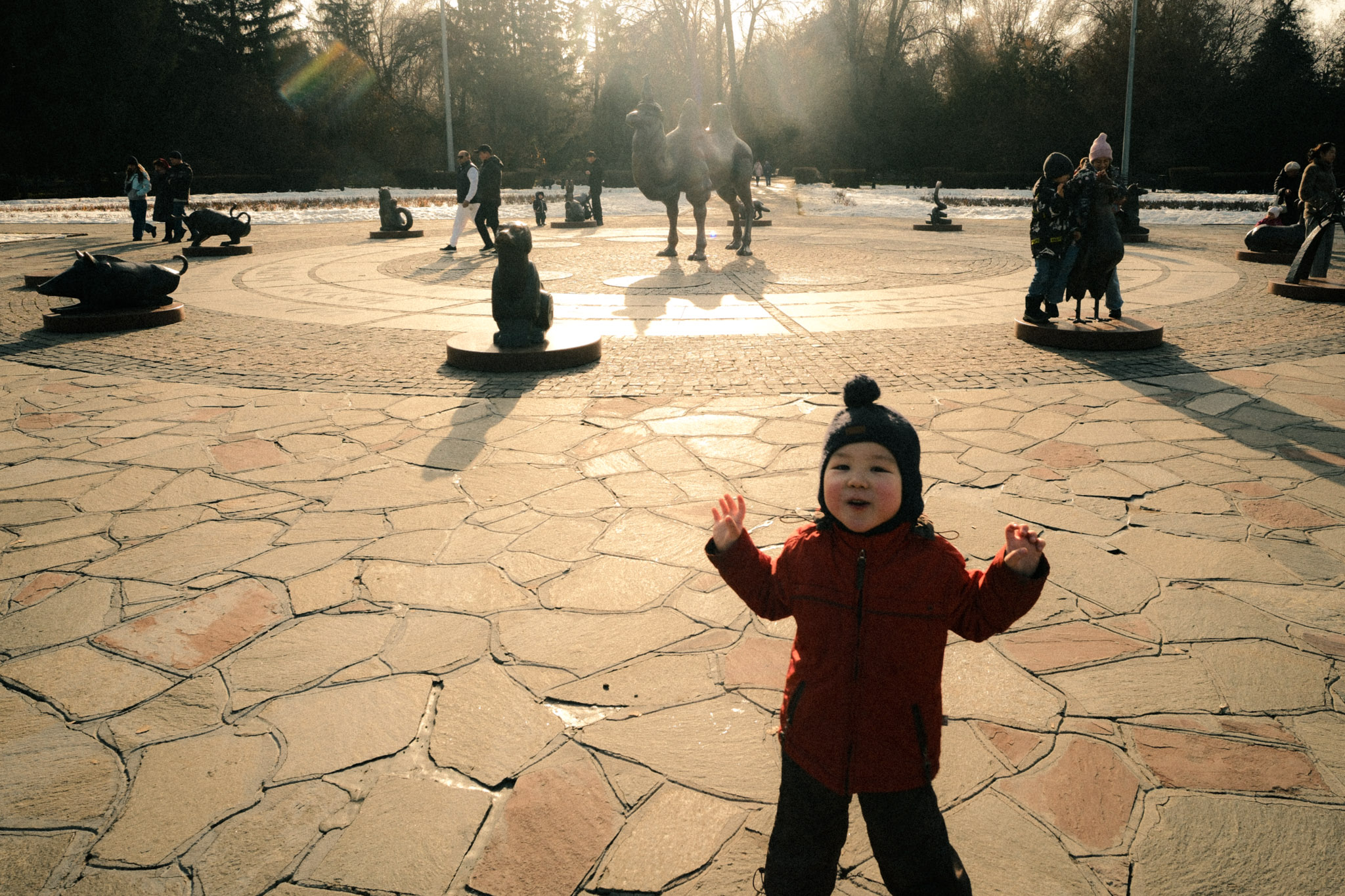
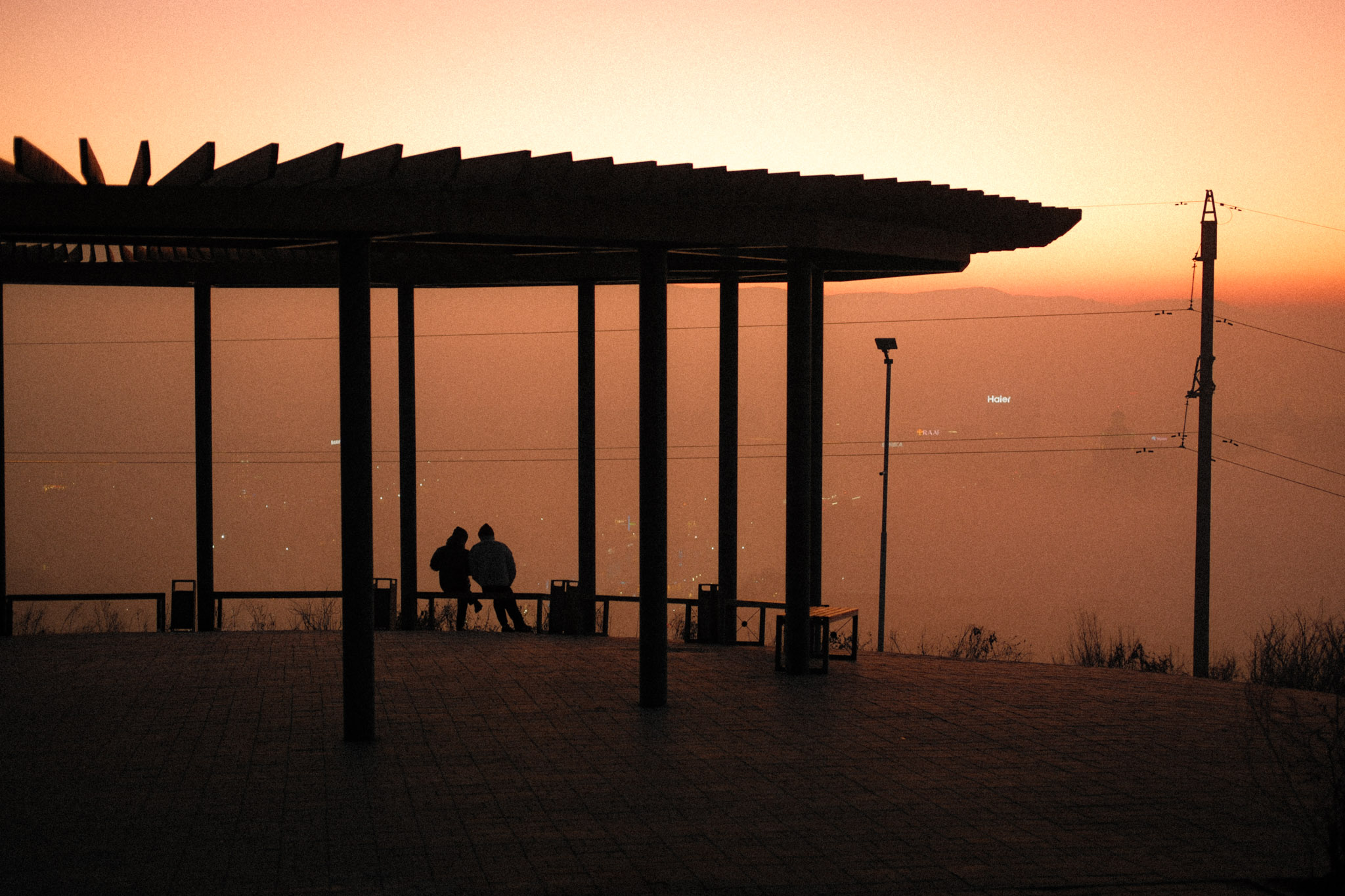
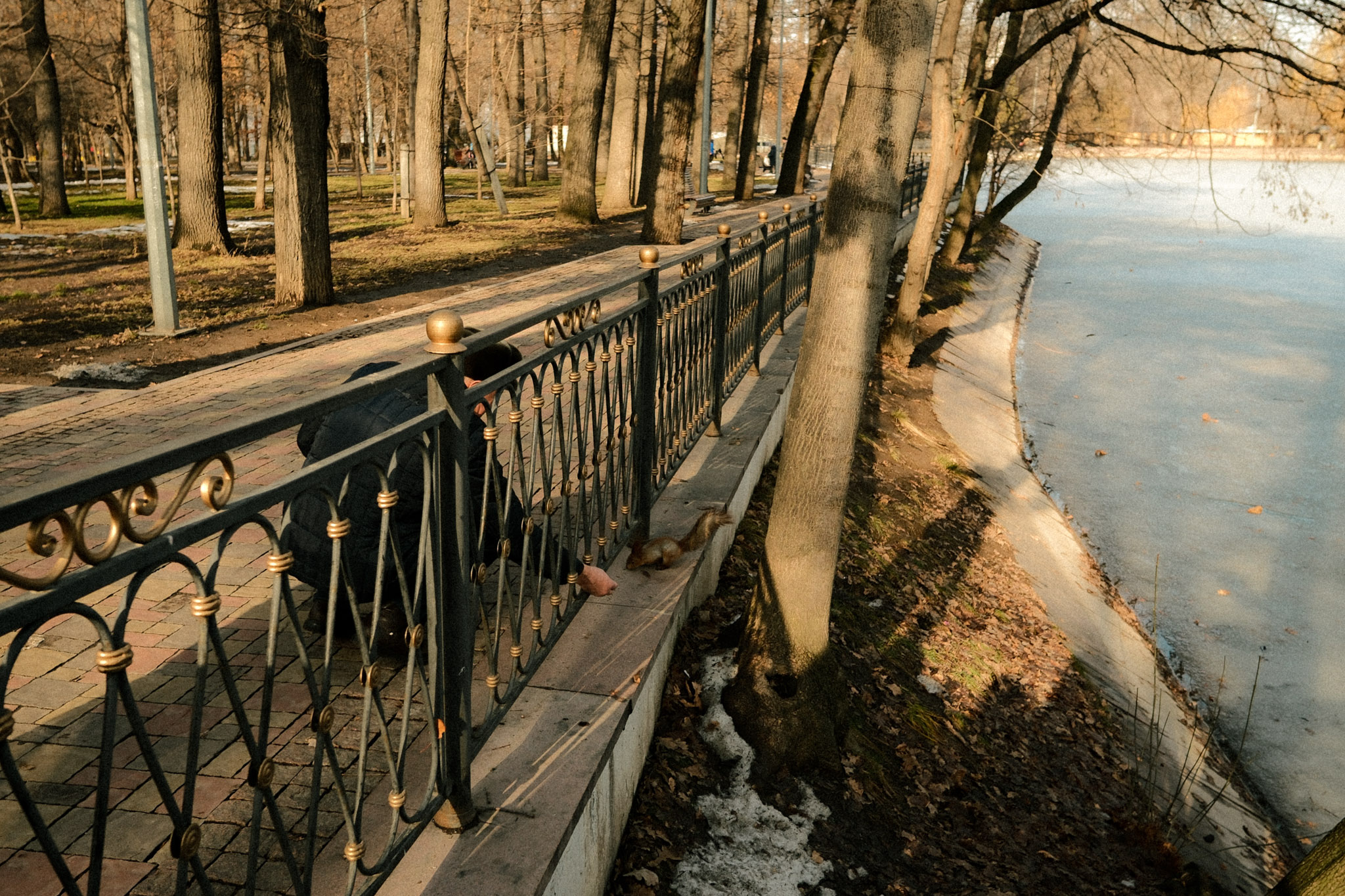
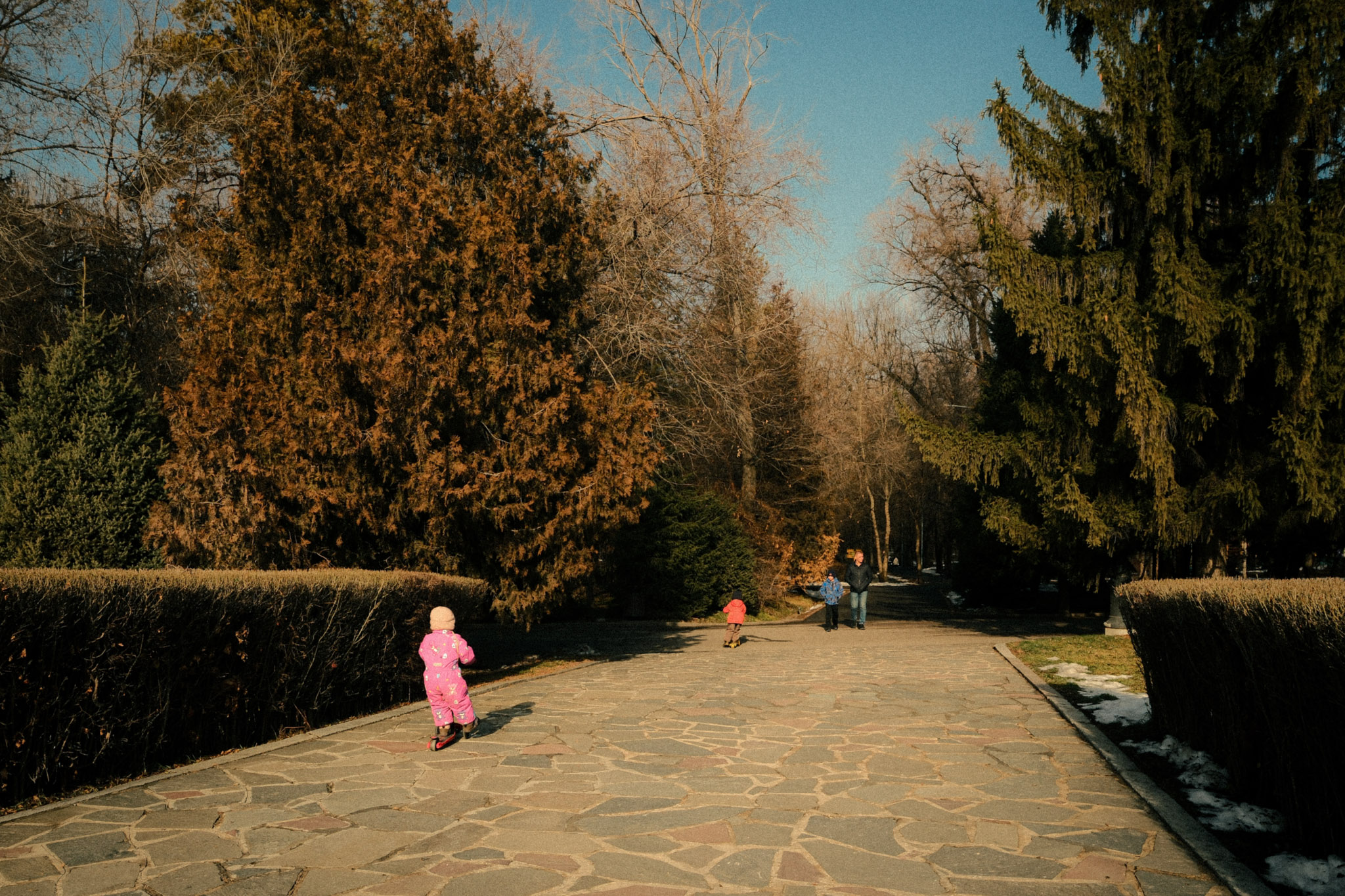
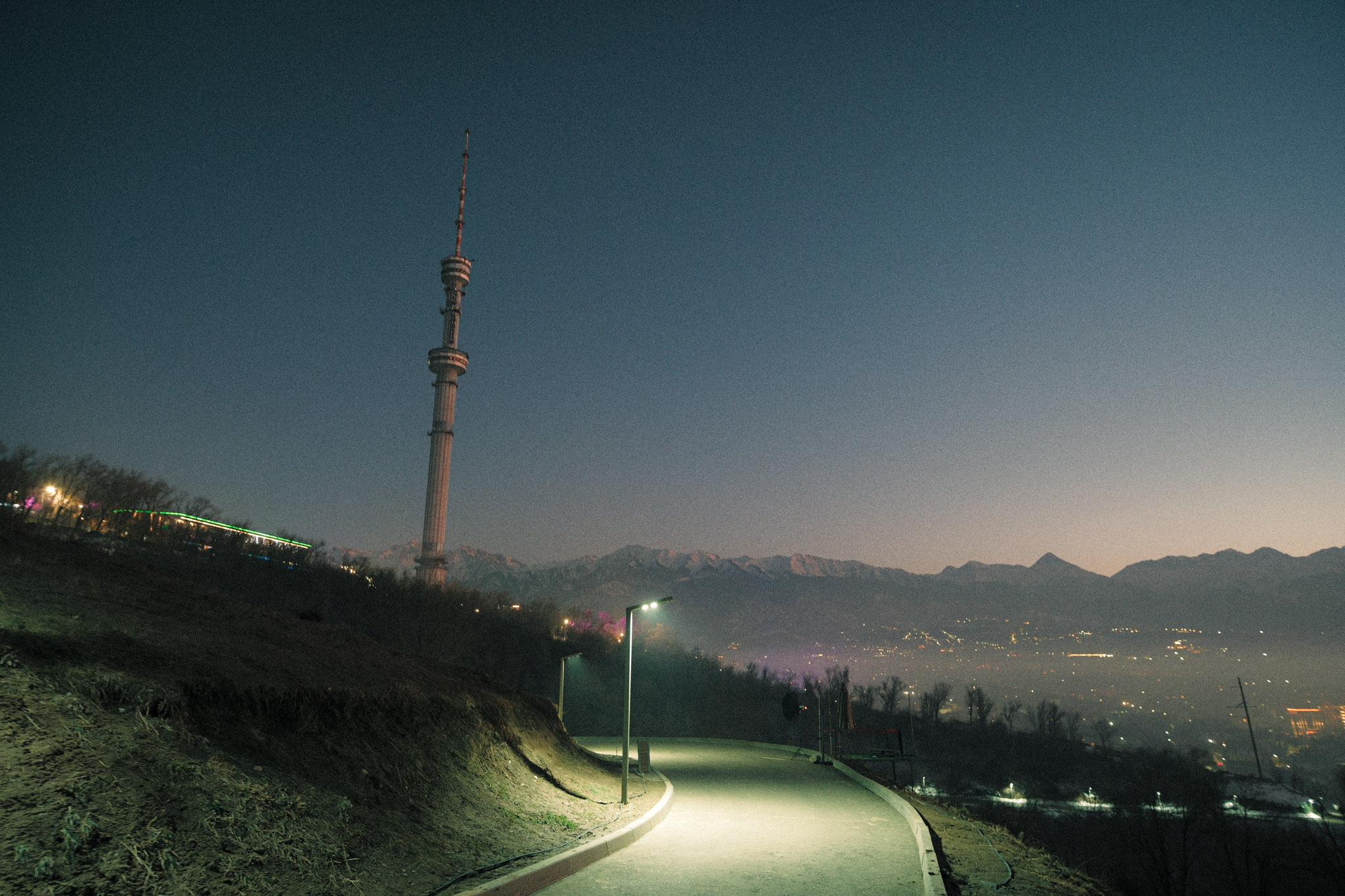
Almaty might be a city of millions, but it felt very peaceful. Maybe it was the post New Year timing, when everyone was rotting in their homes after New Year feasts, maybe it was staying mostly in the centre. Either way, it felt unhurried and also very walkable. I loved how you can navigate by the mountains. It was something my Kazakh friends told me before I even visited the city. Going uphill means you're heading south, closer to them. Going downhill means you're moving away.
During my trip, however, I found it hard to pin down what Almaty's character was about. After a few weeks I realised that that's the point: it's simple in its being. Almaty is homey, cozy, unhurried. It doesn't make a statement, but that becomes its own kind of character.
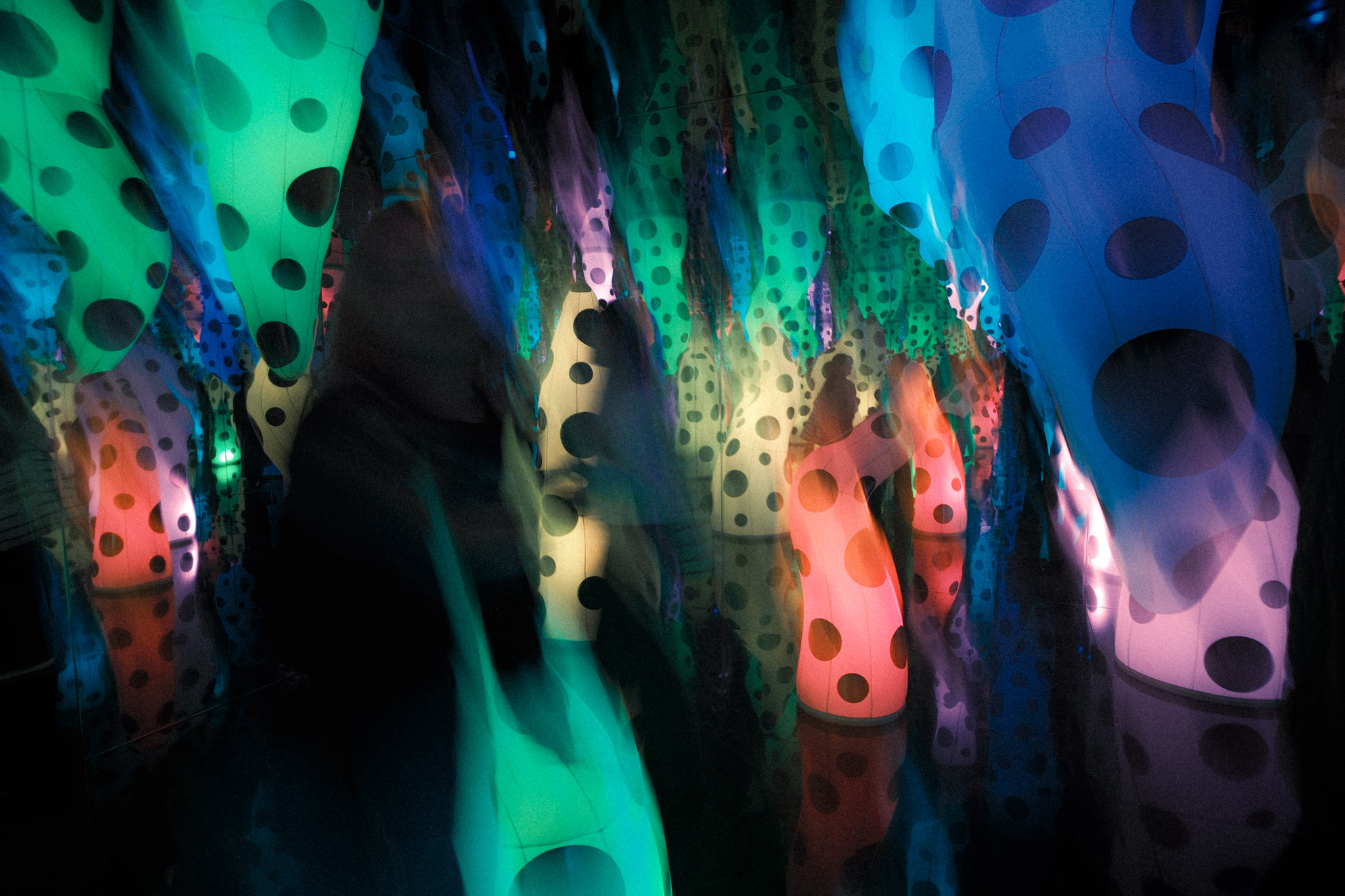
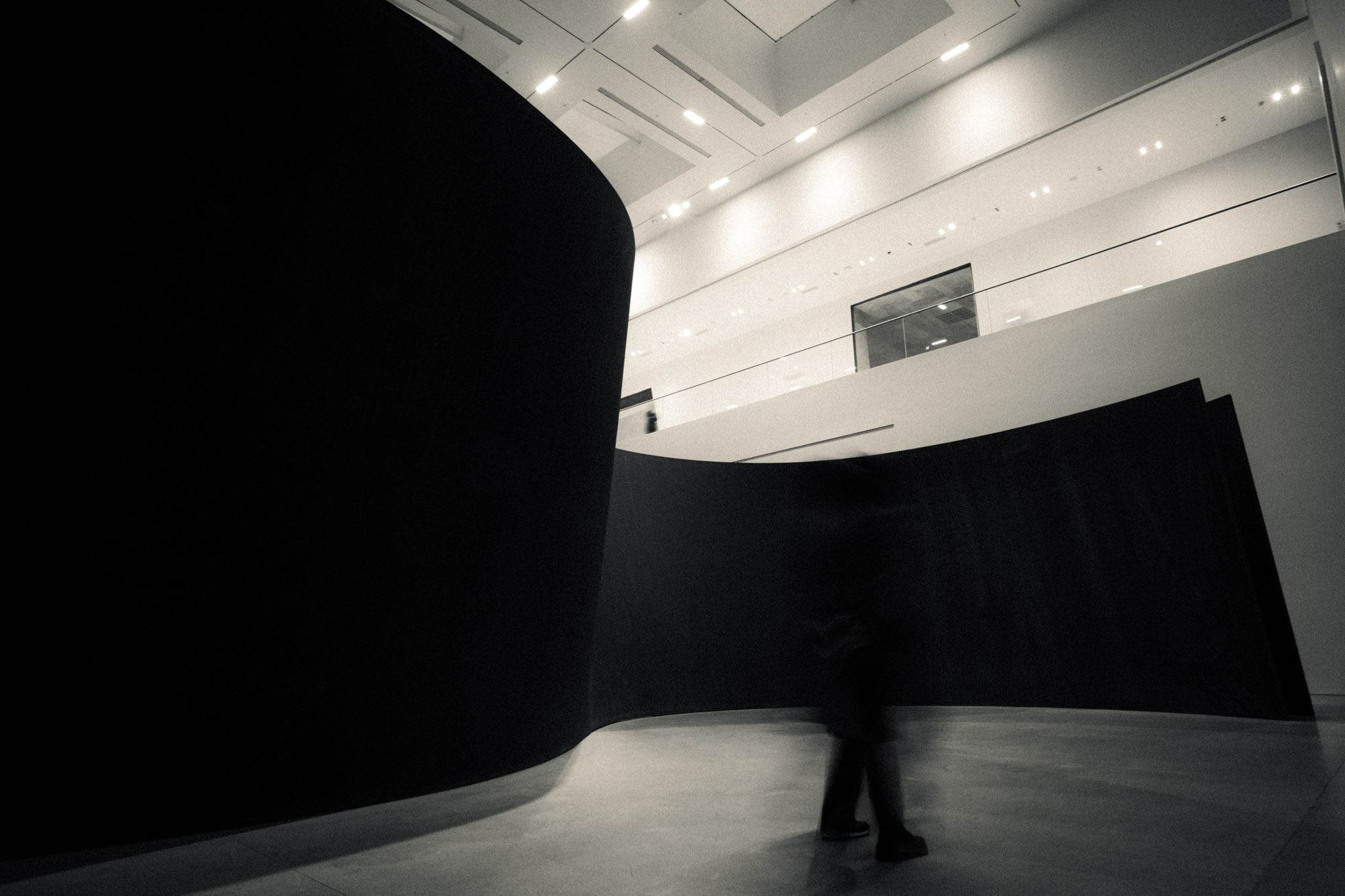
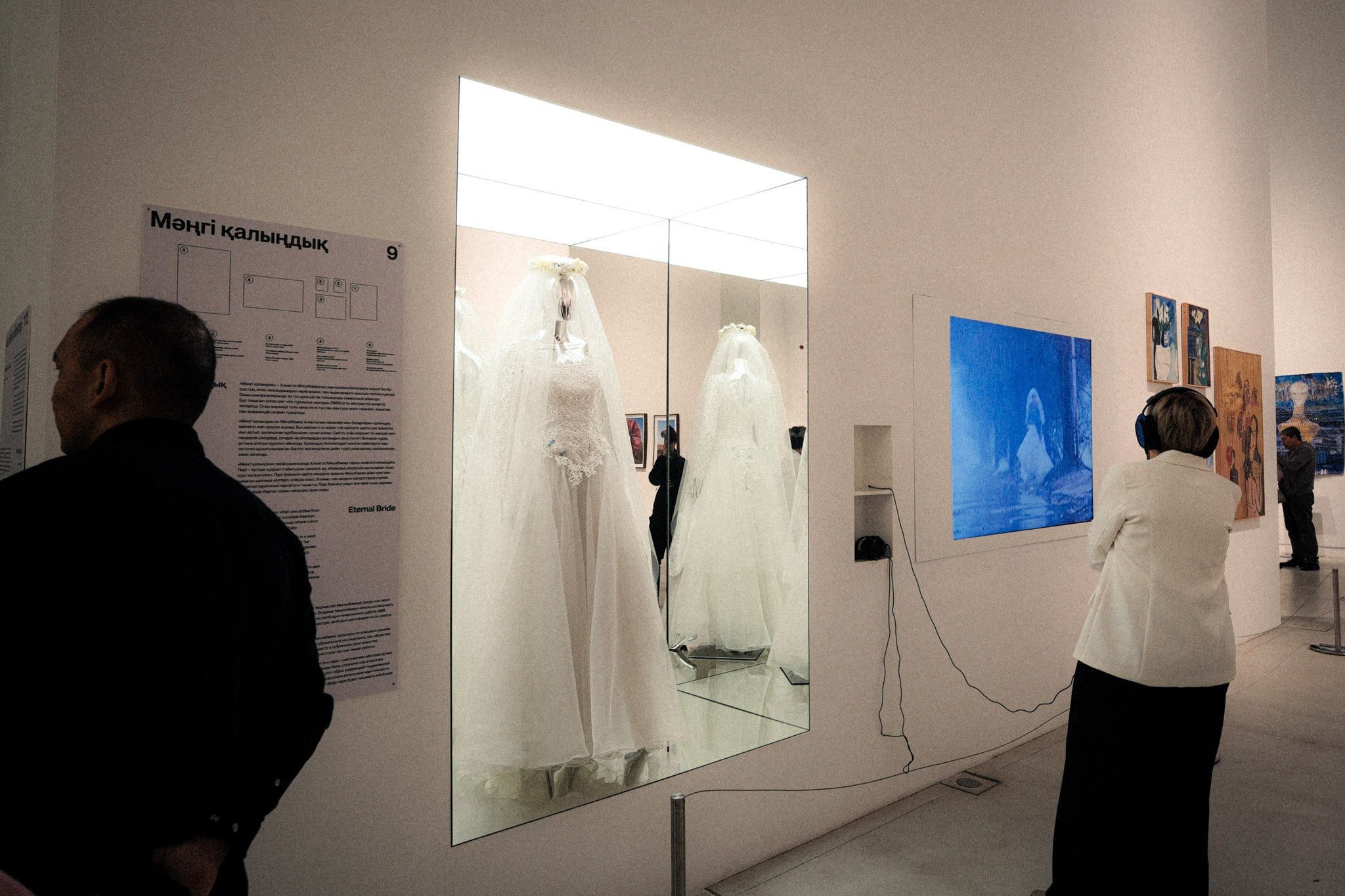
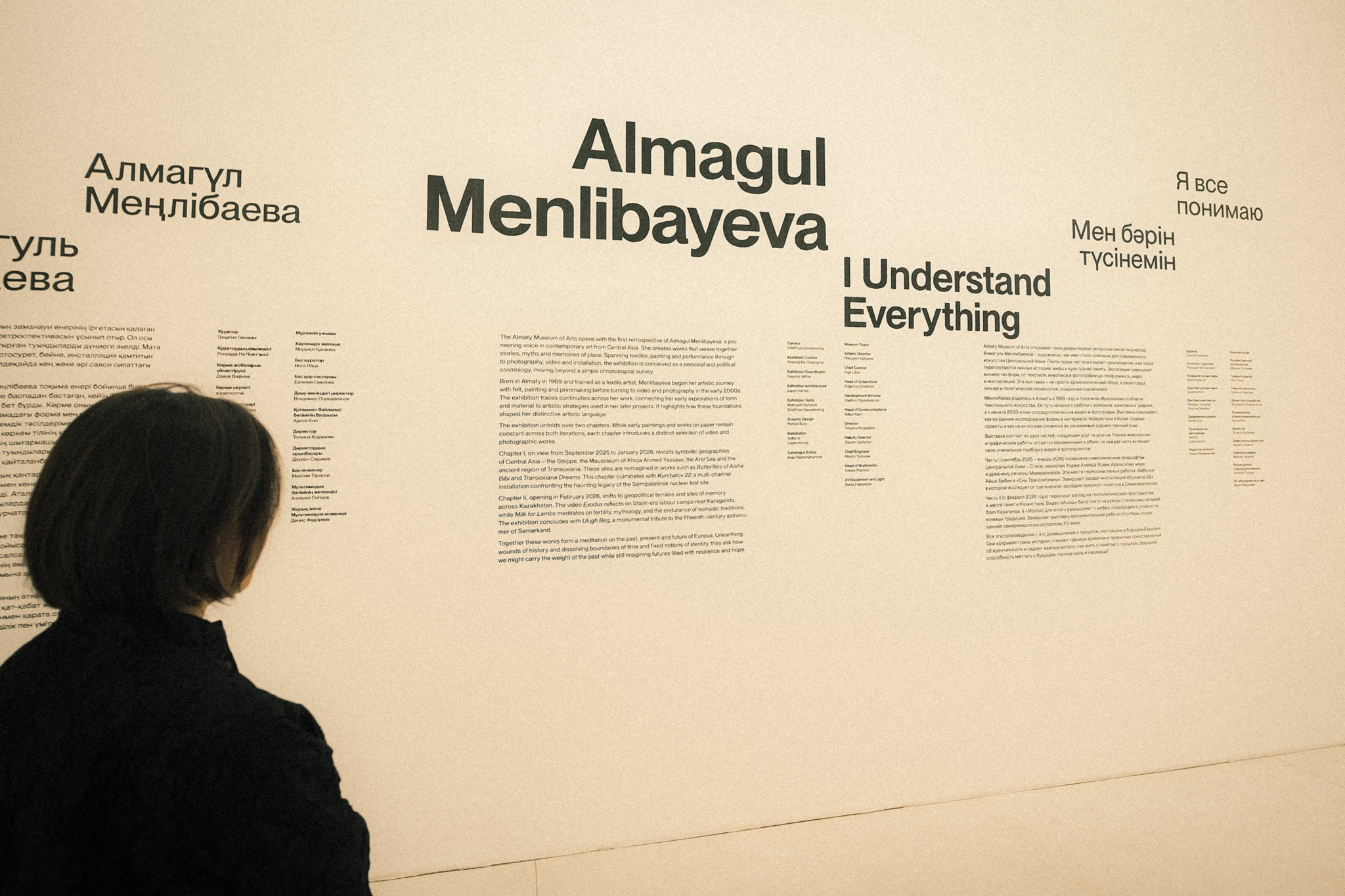
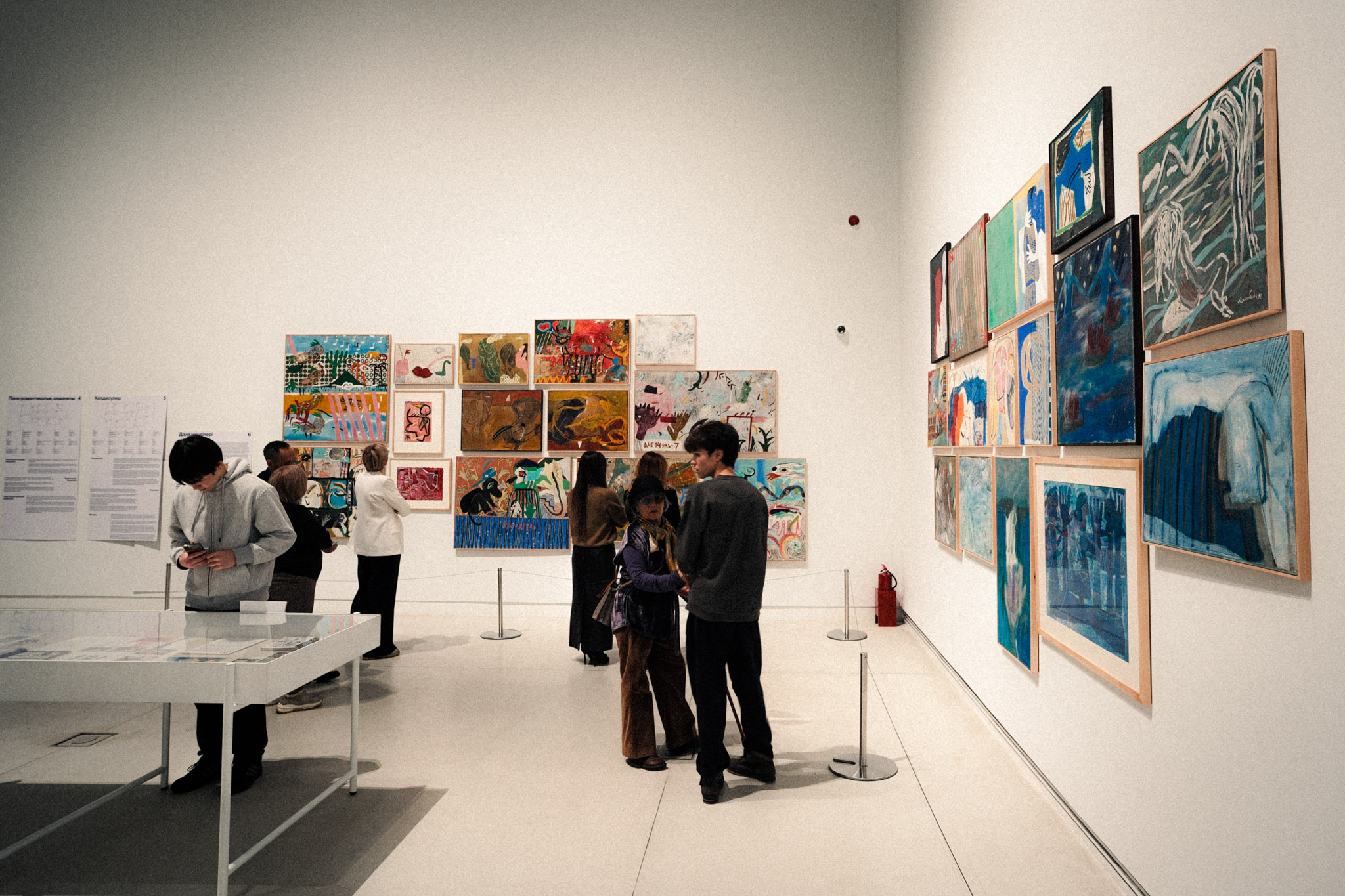
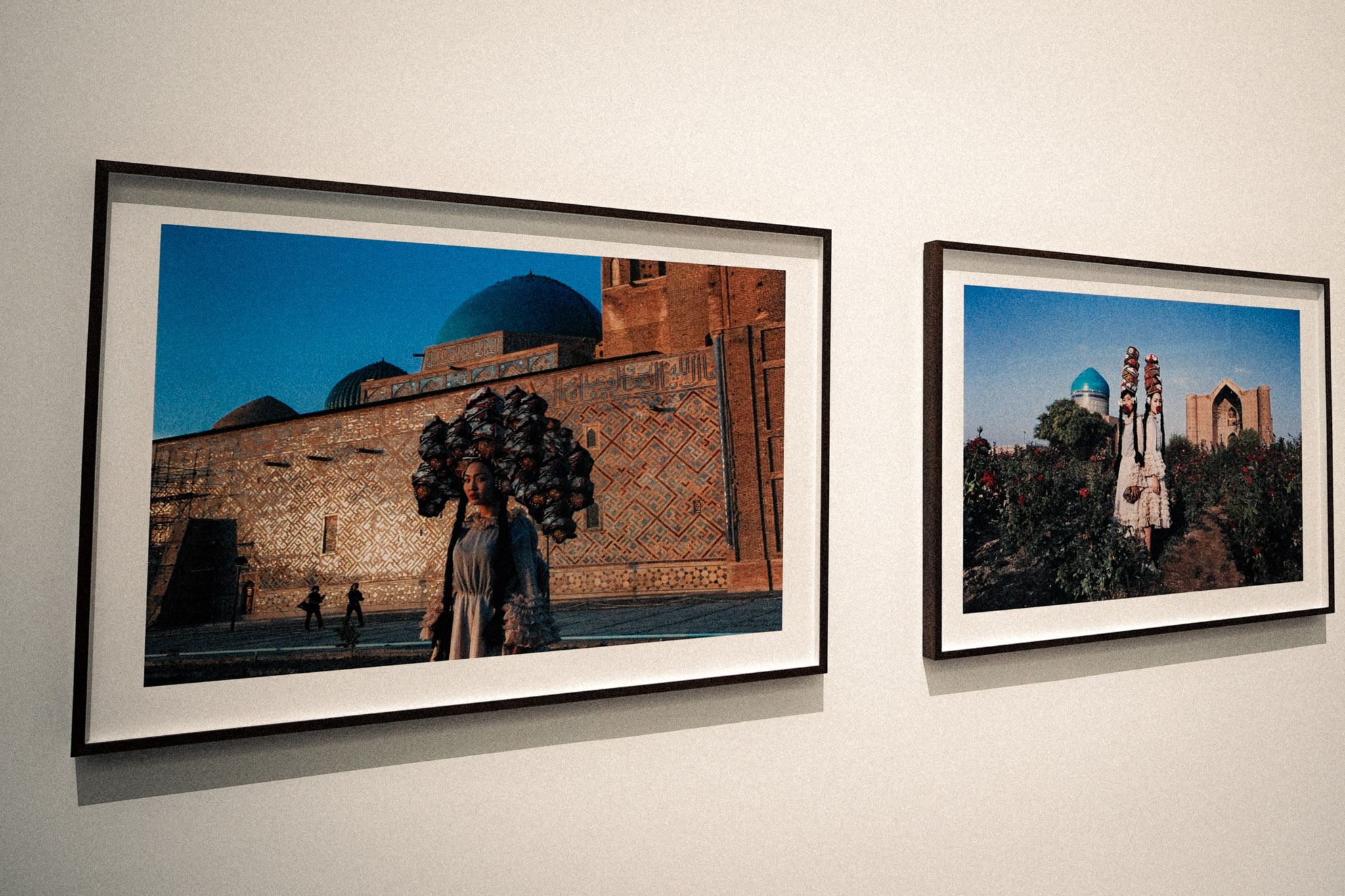
I unfortunately didn't have enough time to explore more of the city, but I made sure not to miss the city's new addition – Almaty Museum of Arts. I was very surprised to say the least. The biggest bomb was seeing male nudity in the museum which I found funny, especially given the central asian context. The museum was very well curated, fresh and bold. The exhibition was dedicated to Almagul Menlibayeva. She fused Tengrist, Shamanist and modern motifs, such as nuclear testing sites fallout into abstraction on canvas, videos and social experiments. It was a lot, but it was never boring and I mean that as the highest compliment.
drag
The Flow
This trip would not have been the same without Mansur and his family. Their hospitality made Almaty feel less like a city I was visiting and more like somewhere I already belonged. I will undoubtedly be back — many times, hopefully.